

The Mighty Maratha Empire!
Images
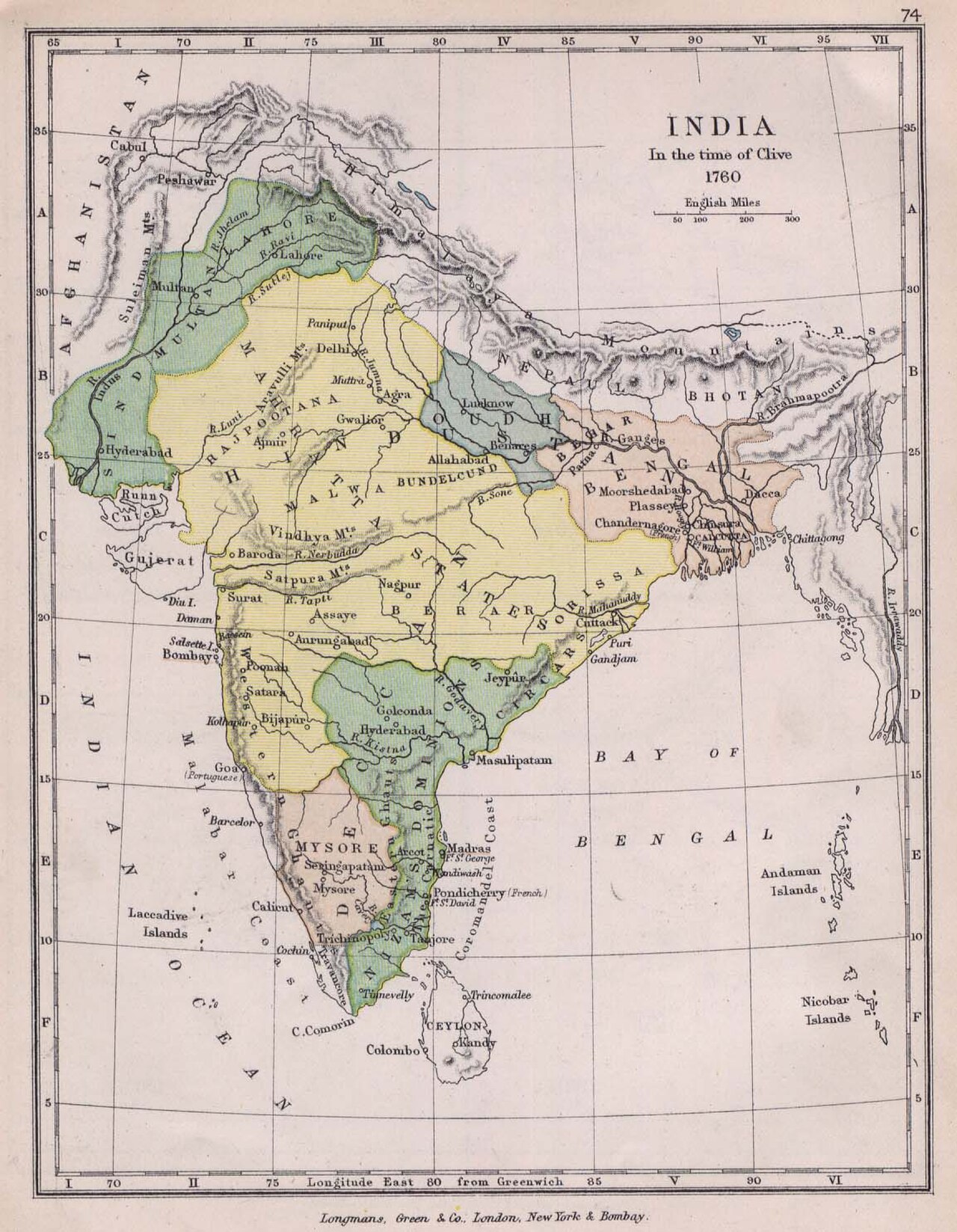
Maratha Empire
The Genesis of Maratha Power
The Maratha Empire emerged in the 17th century as a significant challenge to the declining Mughal Empire. Spearheaded by the visionary leader Shivaji Maharaj, the Marathas leveraged their deep understanding of the Deccan plateau's terrain and the discontent among local populations. Shivaji's genius lay not only in his military acumen, particularly his innovative use of hill forts like Raigad and Sinhagad as strategic strongholds and his mastery of guerrilla tactics, but also in his administrative reforms.
He established a secular administration, promoted Marathi as the court language, and fostered a sense of Maratha identity. His coronation in 1674 as 'Chhatrapati' (Emperor) formally marked the establishment of an independent Maratha state, setting the stage for its future expansion and influence across the Indian subcontinent.
The Apex of Influence
Following Shivaji's death, the Maratha Empire underwent further evolution, notably under the leadership of the Peshwas, who were hereditary prime ministers. During the 18th century, under powerful Peshwas like Baji Rao I, the empire reached its zenith. The Marathas launched extensive military campaigns, extending their influence from the Punjab in the north to the southern tip of India.
They established a confederacy of Maratha states, each led by powerful chiefs like the Scindias, Holkars, Gaekwads, and Bhonsles, who managed their territories but acknowledged the Peshwa's supremacy. This period saw the Marathas become the dominant political and military power in India, effectively controlling vast swathes of territory and collecting 'chauth' and 'sardeshmukhi' (forms of tribute) from many regions.
Socio-Economic Fabric and Cultural Contributions
The Maratha Empire was not solely defined by its military might; it also fostered a vibrant socio-economic and cultural environment. Agriculture remained the backbone of the economy, with the Maratha administration often focusing on land revenue systems that aimed for efficiency and fairness. Trade and commerce also saw development, facilitated by the empire's vast network of roads and forts, which provided security. Culturally, the period witnessed a flourishing of Marathi literature, poetry, and devotional music.
The emphasis on local traditions and the patronage of arts contributed to a distinct Maratha cultural identity. The construction and maintenance of numerous forts also represent a significant architectural and engineering legacy, showcasing advanced defensive strategies and construction techniques.
The Decline and Enduring Legacy
Despite its immense power, the Maratha Empire eventually faced internal divisions and external challenges. The Third Battle of Panipat in 1761 marked a significant setback, weakening the empire's dominance. Internal rivalries among the confederating chiefs and the rise of the British East India Company further contributed to its decline.
The Maratha states were gradually defeated and absorbed by the British through a series of Anglo-Maratha Wars, culminating in the final defeat of the Peshwa in 1818. However, the Maratha Empire's legacy is profound. It played a crucial role in challenging foreign rule, fostering regional autonomy, and leaving an indelible impact on India's political, cultural, and historical narrative, inspiring future generations with its spirit of resistance and self-determination.
Go deeper
Frequently Asked Questions
Who was Shivaji Maharaj and why was he a hero?+
What were hill forts like Raigad and Sinhagad good for?+
Who were the Peshwas and what did they do?+
How did the Maratha Empire help trade and roads?+
Why did the Maratha Empire end and who took over?+
Based on content from Wikipedia · Licensed under CC BY-SA 4.0