

Manama
Images
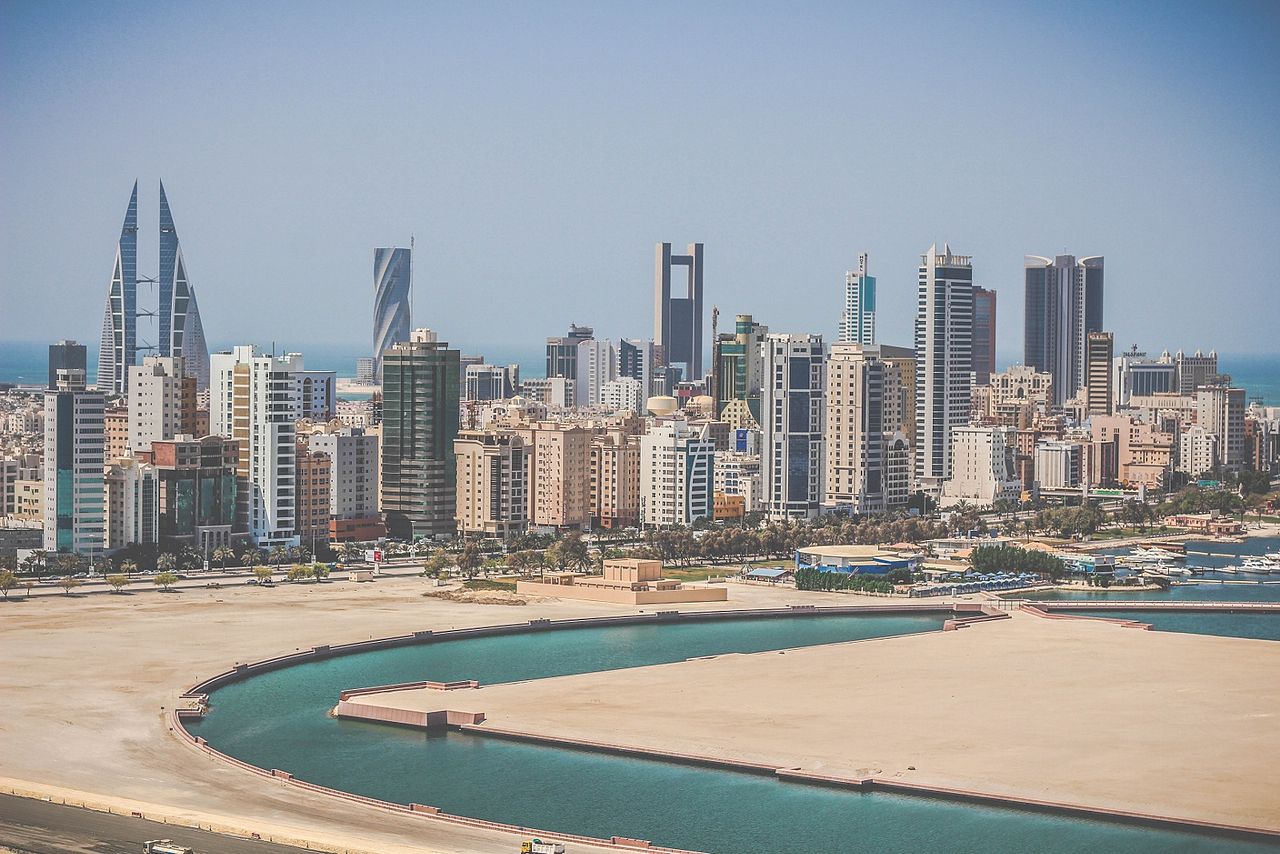
Manama
Geographical Context and Urban Evolution
Manama, the capital and largest city of Bahrain, is strategically positioned on the northeastern coast of Bahrain Island, overlooking the Persian Gulf. Its geography is characterized by low-lying terrain, a defining feature that has necessitated significant land reclamation efforts to accommodate its rapid urban and economic expansion over recent decades. This process of extending the coastline has created new areas for development, including modern infrastructure, sprawling financial districts, and residential zones that push into the desert outskirts and onto artificial islands.
The city's coastal location has historically been its greatest asset, facilitating its role as a crucial port and trading nexus within the Gulf region. Manama endures a desert climate, marked by intensely hot summers and mild winters, with minimal annual precipitation, underscoring the importance of water management and the reliance on desalination for its population and industries. The urban fabric is a testament to its growth, blending historical elements with contemporary architectural marvels.
A Tapestry of History
The historical narrative of Manama is rich and complex, with its origins tracing back to at least the 14th century, as evidenced by early Islamic texts. Initially a modest trading port, its strategic importance attracted foreign powers. The Portuguese exerted control in the early 16th century, followed by the Safavid Persians in 1602, who expelled the Portuguese.
Under Persian influence, Manama evolved into a significant regional center for commerce and, notably, the pearling industry, which was a cornerstone of the local economy for centuries. The late 19th century saw substantial growth driven by trade, solidifying its mercantile importance. Following periods of Portuguese, Persian, and Omani influence, and a brief Saudi invasion, Bahrain eventually established itself as an independent nation in 1971, emerging from British protection.
Manama was officially designated the capital upon independence, marking a new era of self-governance and development.
Demographics and Cultural Significance
Manama is characterized by its diverse population, a result of its long history as a trading hub and its current status as a regional economic center. People from various backgrounds and nationalities reside in and contribute to the city's vibrant cultural landscape. This cosmopolitan nature fosters a dynamic social environment.
The city's cultural significance was formally recognized when it was designated the Capital of Arab Culture by the Arab League in 2012, highlighting its role in preserving and promoting Arab heritage, arts, and intellectual life. Furthermore, its global standing was acknowledged when the Globalization and World Cities Research Network classified it as a 'beta global city' in 2018, indicating its substantial influence on international commerce, finance, and culture. This dual identity as a custodian of heritage and a modern global player defines Manama's unique cultural footprint.
Economic Drivers
Manama's economic trajectory has been shaped by its historical role as a trading entrepôt and its strategic adaptation to global economic shifts. While historically reliant on trade and later boosted by the discovery of oil, the city has proactively diversified its economy. This strategic shift, particularly prominent since the 1990s, has transformed Manama into a leading financial hub in the Middle East.
It hosts a significant concentration of international financial institutions, banks, and businesses, driving growth in sectors such as banking, investment, and professional services. This diversification has reduced reliance on oil revenues and positioned Manama as a key player in regional and international finance. The city's development is further supported by ongoing investments in infrastructure and its status as a gateway to Bahrain's broader economy, fostering a climate conducive to business and innovation.
Governance and Urban Planning
As the capital of Bahrain, Manama is the seat of the country's government. The governance structure oversees the administration and development of the city, balancing its historical significance with the demands of a modern metropolis. Historically, Manama's prominence as the capital was established in 1971, though its twin city, Muharraq, served as the capital until 1923.
Manama then became the mercantile capital. Urban planning in Manama has been crucial in managing its growth, particularly concerning land reclamation and the development of infrastructure to support its expanding population and economic activities. The city's administration focuses on maintaining its status as a financial center while also enhancing the quality of life for its residents, addressing challenges related to urban density, environmental sustainability, and the preservation of its cultural heritage amidst rapid modernization.
Go deeper
Frequently Asked Questions
What is Manama?+
Why does Manama need land reclamation?+
How does Manama stay cool in hot summers?+
When did Manama become the capital of Bahrain?+
What makes Manama a special city for culture?+
Based on content from Wikipedia · Licensed under CC BY-SA 4.0