

Maize
Images
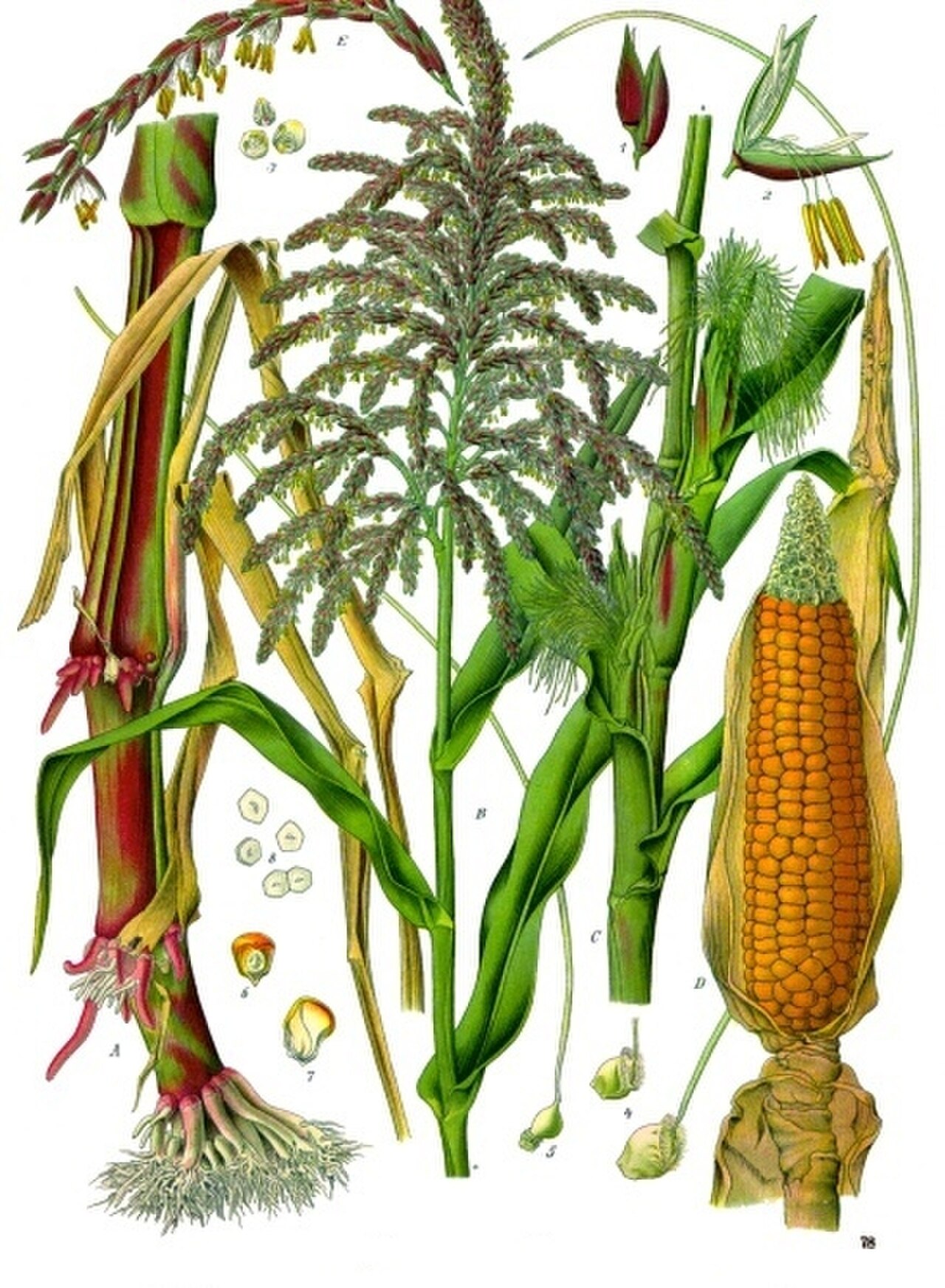
Maize
The Ancient Genesis and Domestication of Maize
Maize (Zea mays) stands as a monumental achievement of ancient agriculture, originating from the domestication of a wild grass, likely teosinte, in Mesoamerica approximately 9,000 years ago. This transformation was not a singular event but a protracted process of human selection, driven by the desire for more productive and palatable food sources. Early farmers identified and propagated plants with desirable traits such as larger seed heads, fewer glumes (husks), and increased kernel yield.
This gradual artificial selection led to the development of maize varieties that were dramatically different from their wild ancestor, enabling it to become a foundational crop for numerous indigenous civilizations across the Americas. The genetic diversity that arose during this period laid the groundwork for maize's remarkable adaptability and its subsequent global expansion.
Maize's Global Dissemination and Agricultural Impact
Following the Columbian Exchange, maize rapidly traversed the Atlantic, becoming a transformative crop in Europe, Africa, and Asia. Its high yield potential, adaptability to diverse climates, and nutritional value made it an attractive alternative to traditional grains. In many regions, maize became a dietary staple, significantly contributing to population growth by providing a more reliable and abundant food supply.
Its cultivation spread from temperate zones to tropical and subtropical regions, often outperforming other cereal crops in yield per acre. This global adoption cemented maize's status as a critical component of the world's food security infrastructure, though its widespread monoculture also presents challenges related to biodiversity and soil health.
The Multifaceted Utility of Maize in Modern Society
The economic and societal importance of maize today extends far beyond its role as a direct food source. A substantial portion of the global maize harvest is dedicated to animal feed, underpinning the intensive livestock industries that supply meat, dairy, and eggs. Industrially, maize is a versatile feedstock.
It is a primary source for the production of ethanol, a biofuel that plays a significant role in energy markets and renewable fuel initiatives. Furthermore, maize is processed into a vast array of products, including corn starch (used in papermaking, textiles, and adhesives), high-fructose corn syrup (a common sweetener), and various chemicals. This broad utility makes maize an indispensable commodity in global trade and a critical input for numerous manufacturing sectors.
The Reproductive Biology and Genetic Makeup of Maize
Maize exhibits a distinct reproductive biology characterized by its monoecious nature, possessing separate male (tassel) and female (ear) inflorescences on the same plant. Pollination is primarily mediated by wind, with pollen grains from the tassel traveling to the silks (stigmas) of the ear. Each silk is connected to an ovule, which, upon successful fertilization, develops into a single kernel. Maize is a diploid organism with a genome of ten chromosomes, organized into ten linkage groups.
Its relatively large genome and ease of genetic manipulation have made it a model organism for plant genetics research, contributing significantly to our understanding of plant biology, gene function, and crop improvement strategies. Modern breeding techniques continue to leverage this genetic understanding to develop maize varieties with enhanced yield, disease resistance, and nutritional profiles.
Maize's Role in Global Food Systems and Future Challenges
As one of the world's most important cereal crops, maize plays a pivotal role in global food security. Its high productivity and versatility allow it to feed billions directly and indirectly through animal agriculture. However, the intensive cultivation of maize also presents significant challenges.
Monoculture farming practices can lead to soil degradation, increased reliance on synthetic fertilizers and pesticides, and a reduction in biodiversity. Furthermore, the global supply chain for maize is susceptible to climate change impacts, such as extreme weather events, and market volatility. Addressing these challenges requires a multifaceted approach, including promoting sustainable farming practices, investing in climate-resilient maize varieties, and ensuring equitable access to this vital crop for populations worldwide.
Go deeper
Frequently Asked Questions
What is maize and why is it important?+
Where did maize come from and how old is it?+
How does maize grow and make its kernels?+
Why do people grow maize all over the world?+
What are some things made from maize besides food?+
Based on content from Wikipedia · Licensed under CC BY-SA 4.0