

Magnetic Tape: The Amazing Story Saver!
Images
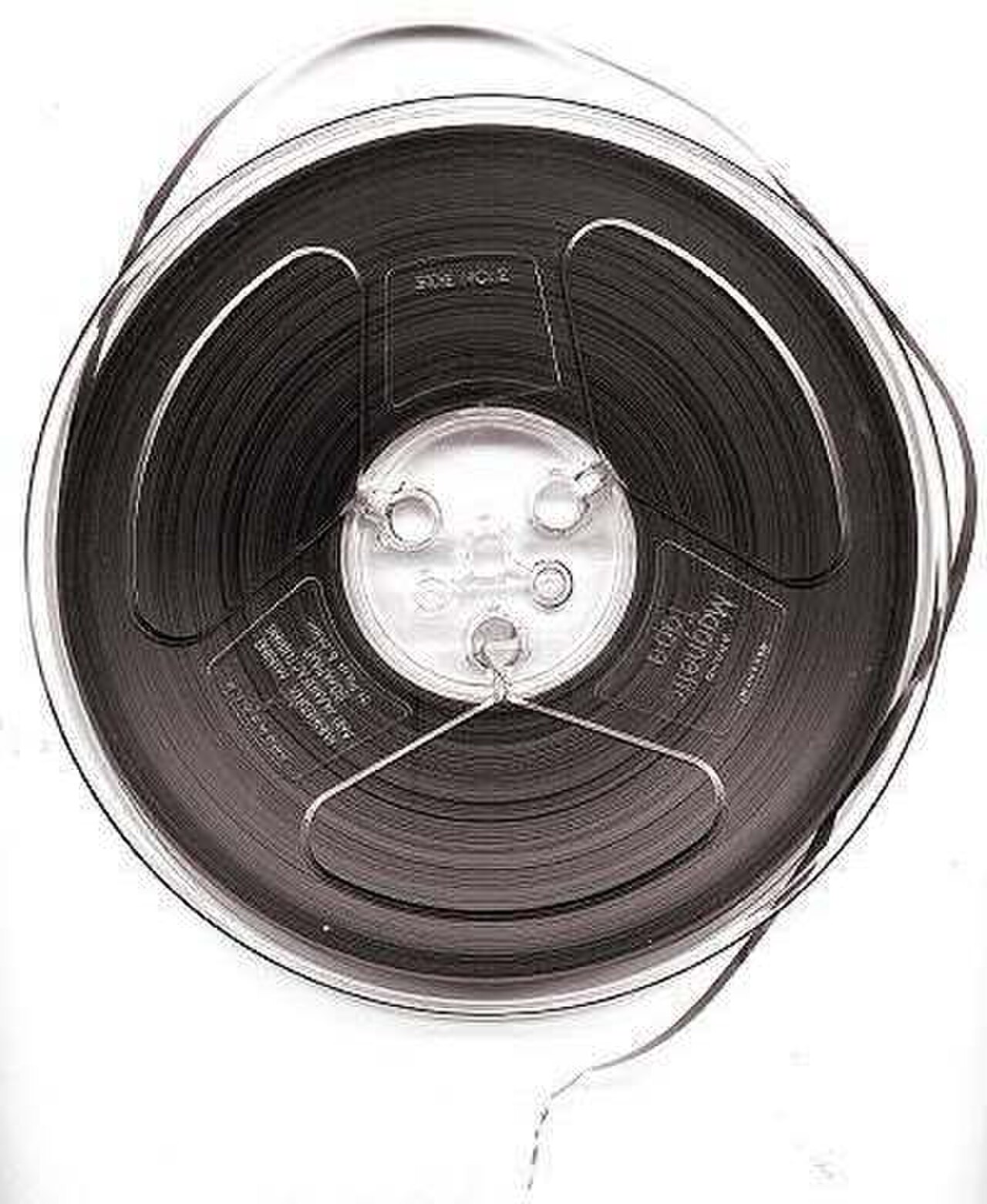
Magnetic tape
The Genesis and Evolution of Magnetic Recording
The concept of magnetic recording emerged in the late 19th and early 20th centuries, with significant advancements occurring in the 1920s and 1930s. Early pioneers like Fritz Pfleumer in Germany developed practical magnetic tape recorders using paper tape coated with magnetic oxide. Initially, these devices were primarily used for voice recording and radio broadcasting.
The post-World War II era saw rapid development, particularly in the United States, with companies like Ampex and IBM refining tape technology. This led to the creation of high-fidelity audio recording and, crucially, the adoption of magnetic tape for computer data storage in the 1950s. The transition from analog audio to digital data marked a pivotal moment, transforming tape from a consumer medium to an industrial workhorse for information management.
Technological Underpinnings and Formats
At its core, magnetic tape relies on the principle of magnetizing a thin layer of ferromagnetic material applied to a flexible substrate, typically polyester. The data is encoded by altering the magnetic orientation of these particles in discrete regions along the tape's length. This process is managed by read/write heads, which are essentially electromagnets.
The density and accuracy of this recording depend on the quality of the magnetic material, the precision of the heads, and the speed at which the tape moves. Over time, various tape formats have been developed, each offering improvements in capacity, speed, and reliability. Notable examples include LTO (Linear Tape-Open), which is the dominant modern standard, as well as older formats like DLT (Digital Linear Tape) and DAT (Digital Audio Tape).
These formats dictate the physical characteristics of the tape cartridge and the drive technology used to read and write data.
The Enduring Advantages
Despite the rise of solid-state drives (SSDs) and cloud computing, magnetic tape continues to hold a significant niche in data storage, primarily due to its unparalleled cost-effectiveness for large-scale archiving. The cost per gigabyte of tape storage is substantially lower than that of HDDs or SSDs, making it the preferred choice for organizations needing to store petabytes or even exabytes of data. Furthermore, tape offers exceptional longevity; when stored in controlled environments (cool, dry, and away from magnetic fields), tapes can retain data reliably for 30 to 50 years or more.
This makes them ideal for long-term archival purposes, regulatory compliance, and disaster recovery strategies. The sequential access nature of tape, while a disadvantage for frequent data retrieval, is perfectly suited for backup and archival scenarios where data is written once and read infrequently.
Modern Applications and Future Prospects
Today, magnetic tape is not just for old computer backups. Major cloud providers, financial institutions, scientific research facilities, and media companies utilize tape libraries for massive data archives. For instance, the LTO standard continues to evolve, with each generation offering significantly increased capacity and performance.
LTO-9, for instance, can store up to 45 terabytes of compressed data on a single cartridge. Tape also plays a crucial role in 'cold storage' solutions, where data is stored offline, providing a robust defense against cyber threats like ransomware. While flash and disk technologies will continue to dominate active data storage, magnetic tape's unique combination of low cost, high capacity, and extreme longevity ensures its continued relevance as a foundational element of modern data infrastructure for the foreseeable future.
Go deeper
Frequently Asked Questions
What is magnetic tape and how does it remember sounds and pictures?+
Why did people start using magnetic tape after World War II?+
How does magnetic tape keep data safe for many years?+
Are there different types of magnetic tape?+
Why do big companies still use magnetic tape even with SSDs and cloud?+
Based on content from Wikipedia · Licensed under CC BY-SA 4.0