

Luiz Inácio Lula da Silva
Images

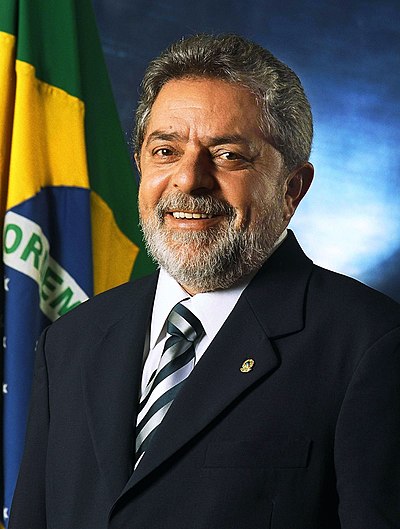
Foto oficial do Presidente da República Luiz Inácio Lula da Silva


From the Factory Floor to National Leadership
Luiz Inácio Lula da Silva's trajectory is a powerful narrative of social mobility and political evolution. Born into poverty in the northeastern state of Pernambuco, his early life was marked by hardship, compelling him to leave formal schooling after the second grade. He migrated to São Paulo and entered the workforce as a metalworker, where he quickly became involved in labor activism.
His innate leadership qualities propelled him to prominence within the metalworkers' union. Between 1978 and 1980, he spearheaded the influential ABC region workers' strikes during Brazil's military dictatorship. These strikes were not merely about wages; they were significant challenges to the authoritarian regime, demanding greater freedoms and workers' rights.
This period cemented his reputation as a formidable labor leader and a voice for the disenfranchised, setting the stage for his transition into national politics.
Founding a Political Force and Navigating Democratic Transitions
The end of the military dictatorship in Brazil created a fertile ground for new political movements. In 1980, Lula was a co-founder of the Workers' Party (Partido dos Trabalhadores), a party explicitly formed to represent the interests of the working class and advocate for socialist ideals. He was also a key figure in the 1984 'Diretas Já' (Direct Elections Now) movement, a massive popular campaign demanding an end to indirect presidential elections.
Despite his growing influence, Lula's presidential ambitions faced significant hurdles. He ran for president in 1989, 1994, and 1998, losing each time, often in the final round. These electoral defeats, however, did not diminish his political capital.
His persistence and the growing appeal of his platform eventually led to his historic victory in the 2002 presidential election, marking a profound shift in Brazilian politics.
The Impact of Lula's First Presidencies
Lula's first two terms (2003-2011) are widely recognized for their transformative social policies and economic management. He continued many of the fiscal policies of his predecessor but dramatically expanded social welfare programs. The flagship 'Bolsa Família' initiative, a conditional cash transfer program, is credited with lifting millions of Brazilians out of extreme poverty by providing financial aid to families who met certain conditions, such as ensuring their children attended school and received vaccinations.
This period also saw significant GDP growth, a reduction in external debt, and controlled inflation, leading to widespread popularity and an unprecedented 80% approval rating upon leaving office. Internationally, Lula positioned Brazil as a major player in global trade negotiations and environmental policy, contributing to the 'pink tide' of left-leaning governments across South America.
Legal Battles, Resilience, and a Historic Third Term
Lula's post-presidency was marked by significant legal challenges. In 2017, he was convicted of corruption and money laundering as part of the 'Operation Car Wash' investigation, leading to a 580-day prison sentence. This disqualified him from running in the 2018 election.
However, his convictions were later annulled in 2021 by the Supreme Federal Court, which found serious procedural biases in the original trials. This legal vindication allowed him to re-enter the political arena. In a remarkable display of resilience, Lula ran for president again in 2022, defeating the incumbent Jair Bolsonaro in a closely contested runoff.
Inaugurated on January 1, 2023, at the age of 77, he became the oldest Brazilian president at the time of his swearing-in, the first to defeat an incumbent, and the first to be elected to a third, non-consecutive term, underscoring his enduring political significance.
See also
Frequently Asked Questions
What is Lula and why is he famous?+
How did Lula start his career?+
Why did Lula fight for workers' rights?+
When did Lula become president?+
What happened to Lula after he left office?+
Based on content from Wikipedia · Licensed under CC BY-SA 4.0