

Los Roques Archipelago
Images
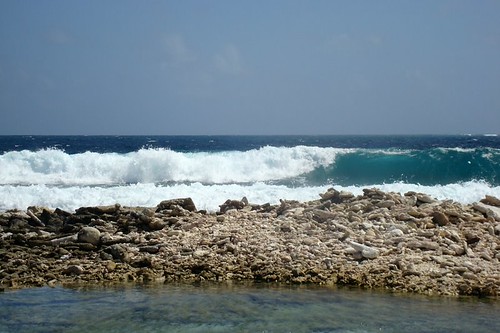
A barreira de arrecifes que protege o arquipélago / The reef barrier that protects the archipelago


Geographical Isolation and Marine Biodiversity Hotspot
The Los Roques Archipelago, a federal dependency of Venezuela, is an extraordinary example of an isolated marine ecosystem. Comprising approximately 350 islands, cays, and islets spread across a total area of 40.61 km2 (15.68 sq mi), its geographical isolation is a key factor in its ecological richness. Located 128 km (80 mi) directly north of the port of La Guaira, the archipelago is situated in the Caribbean Sea, far from significant continental landmasses.
This distance minimizes terrestrial runoff and pollution, creating exceptionally clear waters ideal for coral growth. The archipelago's defining feature is its extensive and well-preserved coral reef system, one of the largest in the Caribbean. This vibrant ecosystem supports an astonishing diversity of marine life, including numerous fish species, sea turtles, and other invertebrates, making it a critical habitat and a globally significant site for marine conservation.
Historical Development and Conservation Efforts
While the exact origins of human settlement in Los Roques are not extensively detailed in the provided text, its history is intrinsically linked to its natural resources. Historically, fishing likely played a role in any intermittent human presence. However, the modern narrative of Los Roques is dominated by its designation as a National Park in 1972, a pivotal moment in its conservation history.
This designation aimed to protect its unique biodiversity and fragile ecosystems from unchecked development. Over time, the archipelago has transitioned into a carefully managed tourist destination. The Venezuelan government actively controls development and tourism to ensure that the islands' natural integrity is maintained.
This approach balances economic benefits from tourism with the imperative of ecological preservation, a delicate act that has allowed Los Roques to retain its pristine character.
Controlled Tourism and Economic Landscape
Los Roques Archipelago thrives on a model of controlled tourism, attracting a discerning clientele, particularly from Europe, who are drawn to its unparalleled natural beauty. The presence of wealthy visitors, many arriving on private yachts that anchor in the protected, shallow waters, underscores the archipelago's reputation as an exclusive destination. The economy is heavily reliant on tourism, encompassing services related to accommodation, marine excursions, and hospitality.
While fishing remains a traditional activity, it is secondary to the economic contributions of visitors who come to experience the snorkeling, diving, and the sheer tranquility of the islands. The controlled nature of tourism is paramount; regulations are in place to manage visitor numbers and activities, ensuring that the environmental impact is minimized and the delicate coral reef ecosystem is not compromised.
Governance and Societal Structure
As a federal dependency of Venezuela, Los Roques Archipelago operates under the direct administration of the national government. Its governance structure reflects its status as a protected territory with significant ecological value. The primary administrative center and most populated settlement is Gran Roque, which houses essential services and an airstrip facilitating access for tourists and residents.
The population is relatively small, fostering a close-knit community whose lifestyle is deeply intertwined with the marine environment. The official language is Spanish, reflecting Venezuela's national identity. The governance model emphasizes conservation and regulated development, ensuring that the archipelago's unique status as a marine sanctuary is upheld while providing a framework for its economic activities, primarily tourism.
Educational and Research Significance
Los Roques Archipelago serves as an invaluable natural laboratory for scientific research and environmental education. Its status as a National Park and its exceptional biodiversity make it a prime location for studying coral reef ecology, marine biology, and the impacts of climate change on sensitive ecosystems. Researchers are drawn to the archipelago to investigate the health of its coral reefs, monitor fish populations, and understand the complex interactions within this unique marine environment.
For educational purposes, Los Roques offers unparalleled opportunities for learning about conservation efforts, marine ecosystems, and sustainable tourism practices. The controlled access and protected status allow for focused study and a deeper understanding of how to preserve such precious natural resources for future generations, highlighting the critical role of scientific inquiry in environmental stewardship.
See also
Frequently Asked Questions
What is Los Roques Archipelago?+
Why is the water so clear there?+
How many islands are in Los Roques?+
What protects the coral reefs in Los Roques?+
How do people visit Los Roques safely?+
Based on content from Wikipedia · Licensed under CC BY-SA 4.0