

Lilyfield, New South Wales
Images
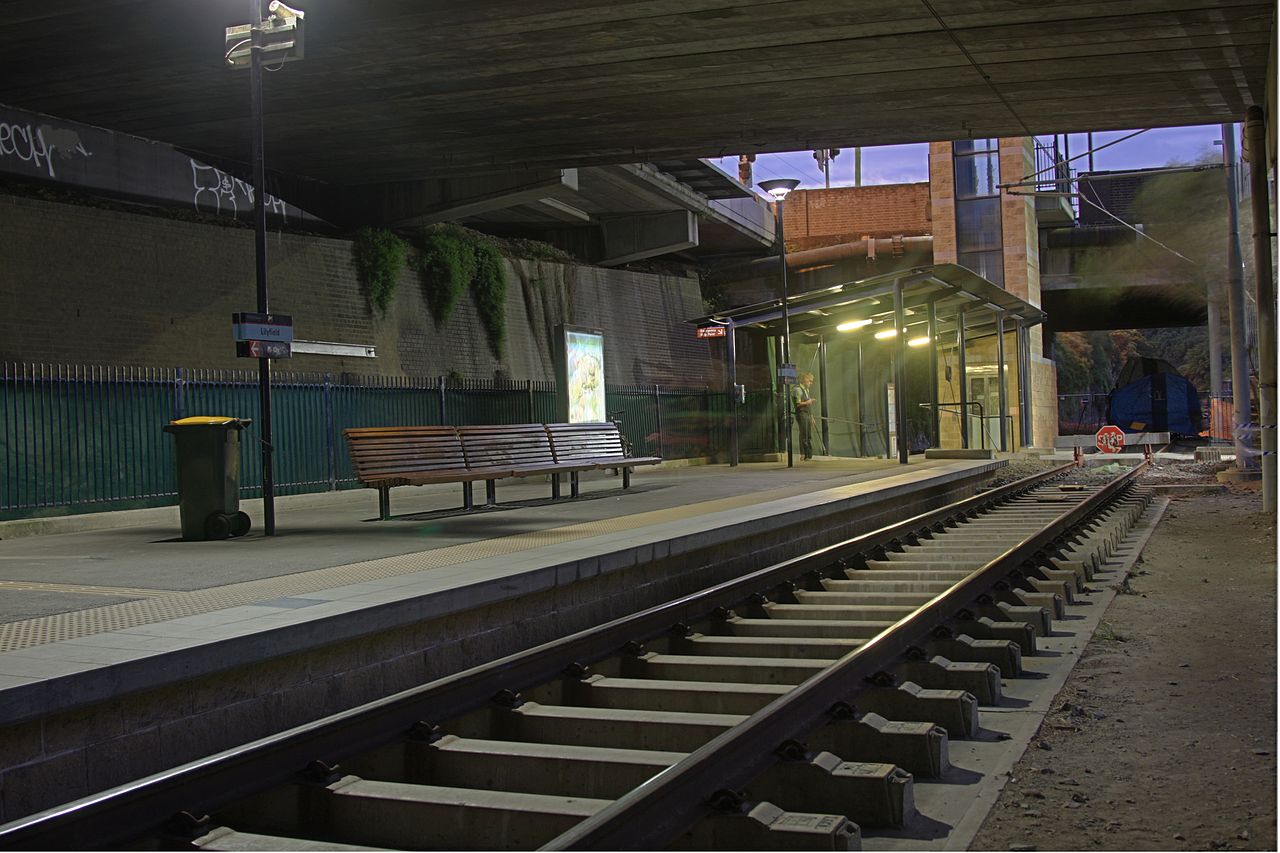
File:Lilyfield light rail station.jpg


Geographic Context and Urban Fabric
Lilyfield is strategically positioned within the Inner West of Sydney, New South Wales, Australia, approximately 6 kilometers west of the Central Business District (CBD). This proximity is a key factor in its development and desirability. It falls under the jurisdiction of the Inner West Council, a local government area known for its diverse communities and urban landscapes.
The suburb is geographically defined by its neighbors Annandale, Rozelle, and Leichhardt, and is notably bounded to the west by Iron Cove. This waterway not only shapes the suburb's physical edge but also offers potential for recreational activities and contributes to its aesthetic appeal. The climate is temperate, characteristic of coastal Sydney, with generally mild winters and warm, humid summers, supporting an active outdoor lifestyle for its residents.
Historical Trajectory
The historical development of Lilyfield is a narrative of urban transition. Originally established as a working-class suburb, its landscape was dominated by modest workers' cottages, reflecting the industrial and labor-focused economy of its past. These dwellings were functional and affordable, housing the workforce that fueled Sydney's growth.
However, in recent decades, Lilyfield has experienced significant gentrification. This phenomenon is driven by property investors and new residents attracted by the suburb's prime location, relatively affordable housing stock (compared to more established inner-city areas), and the inherent charm of its older architecture. The process involves the renovation and often substantial alteration of these original cottages, or their demolition for new developments.
This influx of capital and changing demographics has led to an increase in property values and a shift in the socio-economic profile of the suburb, transforming it into a more affluent residential area.
Demographic Shifts and Community Identity
The demographic makeup of Lilyfield is in flux, reflecting the broader trends of urban gentrification in Sydney. While retaining elements of its working-class heritage, the suburb is increasingly populated by young professionals, couples, and families drawn to its lifestyle appeal and proximity to employment hubs. This demographic shift brings new cultural influences and demands for amenities and services.
The renovation of historic workers' cottages often signifies a desire to preserve architectural character while embracing modern living standards. This can create a dynamic tension between preserving the suburb's historical identity and accommodating new development. While specific notable individuals are not prominently associated with Lilyfield in general sources, the suburb itself is becoming a case study in successful urban renewal and the evolving nature of inner-city living in Australia.
Economic Landscape and Urban Development
Lilyfield's economy is intrinsically linked to its role as a desirable residential suburb within the Sydney metropolitan area. Its primary economic driver is the property market, fueled by ongoing gentrification and investment. The renovation and development of housing stock create employment opportunities in the construction and trades sectors.
Many residents likely engage in the service economy, working in professional, administrative, retail, and hospitality roles, often commuting to the Sydney CBD or other commercial centers. Local businesses within Lilyfield, such as cafes, boutiques, and service providers, cater to the needs of its residents and contribute to the local economy. The suburb's strategic location and improving infrastructure make it an attractive area for small businesses and service-based enterprises looking to capitalize on its growing population and affluence.
Governance and Urban Planning
Lilyfield is governed by the Inner West Council, a local government authority responsible for a range of services including town planning, waste management, parks and recreation, and community services for the suburbs within its jurisdiction. The council plays a crucial role in managing the urban development and character of Lilyfield, particularly in the context of its ongoing gentrification. Planning decisions would involve balancing the preservation of heritage buildings and streetscapes with the need for new housing and infrastructure to accommodate a growing population.
Regulations concerning building renovations, new constructions, and heritage overlays would be key tools used by the council to shape the suburb's future. Community consultation and engagement are also vital aspects of local governance, ensuring that residents have a voice in the planning decisions that affect their neighborhood.
See also
Frequently Asked Questions
What is Lilyfield?+
Why is Lilyfield a popular place to live?+
Where can people go for fun near Lilyfield?+
How has Lilyfield changed over time?+
Who lives in Lilyfield today?+
Based on content from Wikipedia · Licensed under CC BY-SA 4.0