

Lawn
Images
Lawn




The Lawn as a Cultural and Social Construct
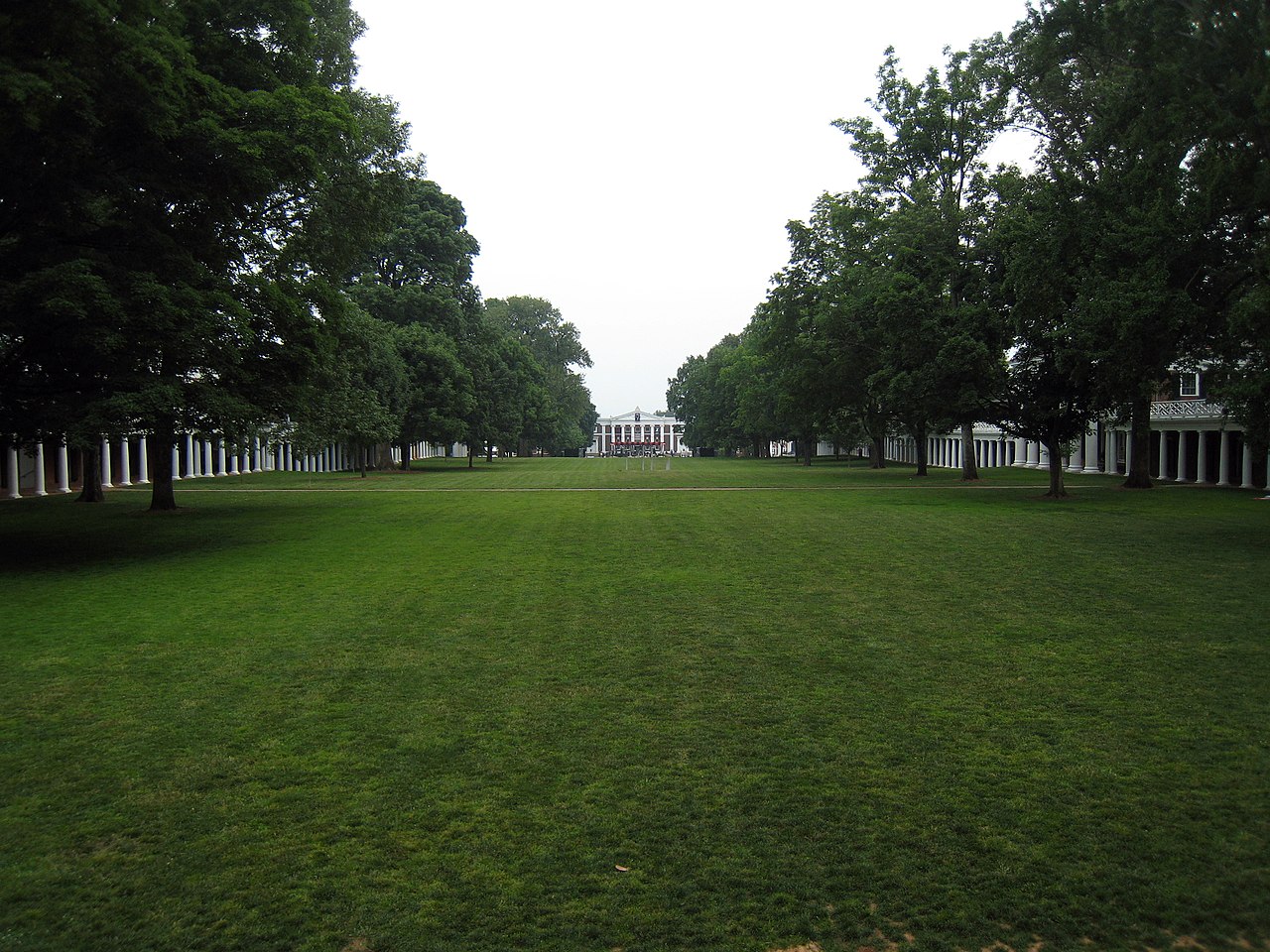
The lawn, as we understand it today, is a highly managed landscape feature, primarily composed of grasses maintained at a low height. Its origins as a distinct feature can be traced to the 16th century, but its widespread adoption is more recent, deeply intertwined with the rise of suburbanization and a particular aesthetic ideal. In many Western cultures, the manicured lawn became a powerful symbol of domesticity, prosperity, and social status.
It represented control over nature, a neat and orderly environment contrasting with wilder landscapes. This cultural embedding means that for many, a lawn is not just grass; it's an expectation, a marker of a well-kept home and a successful life. The uniformity and neatness are paramount, often achieved through intensive maintenance practices that prioritize appearance over ecological function.
Intensive Management
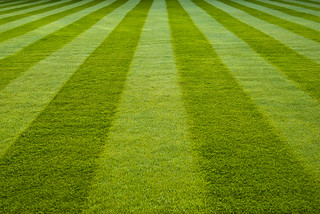
Maintaining a lawn to meet aesthetic standards involves a complex set of horticultural practices. Species selection is crucial, favoring grasses that are resilient to frequent mowing, foot traffic, and specific climate conditions. Beyond mowing, lawns typically require regular watering, especially in arid or drought-prone regions, which can place significant demands on local water resources. Fertilizers are often applied to promote lush growth and vibrant green color, while herbicides and pesticides are used to combat competing weeds and insect pests.
These interventions create a highly artificial ecosystem. In recreational contexts, specialized terms like 'turf,' 'pitch,' or 'green' denote areas meticulously prepared and maintained for specific sports, highlighting the dedication to a perfect playing surface.
Ecological Footprint
The environmental impact of conventional lawns is a subject of increasing scrutiny. Researchers have characterized suburban lawns as 'biological deserts' due to their low biodiversity. A monoculture of grass offers limited food sources and habitat for native insects, birds, and other wildlife, contributing to a broader trend of ecological homogenization.
The intensive use of water, fertilizers, and pesticides can lead to water pollution through runoff and harm non-target organisms. In areas facing water scarcity, the practice of maintaining large, thirsty lawns is being questioned, prompting local governments to encourage alternative landscaping solutions. This shift reflects a growing awareness of the ecological costs associated with the traditional lawn ideal.
Rethinking the Lawn
The concept of the lawn is evolving, with a growing movement towards more ecologically sound alternatives. 'Tapestry lawns,' for instance, are designed to incorporate a diverse range of low-growing plants, including native wildflowers and clovers. These lawns intentionally support biodiversity, providing essential nectar and pollen for pollinators like bees and butterflies, which are crucial for ecosystem health. By embracing such alternatives, homeowners and communities can reduce water consumption, minimize the need for chemical inputs, and create valuable habitats within urban and suburban environments.
This represents a significant paradigm shift, moving away from the purely aesthetic, resource-intensive lawn towards a more functional, nature-integrated green space.
Go deeper
Frequently Asked Questions
What is a lawn?+
Why do people keep lawns so tidy?+
How do lawns affect animals and insects?+
What can people do to make a lawn kinder to nature?+
Why is watering a lawn sometimes a problem?+
Based on content from Wikipedia · Licensed under CC BY-SA 4.0