

Latin American Literature: Stories from South America!
Images
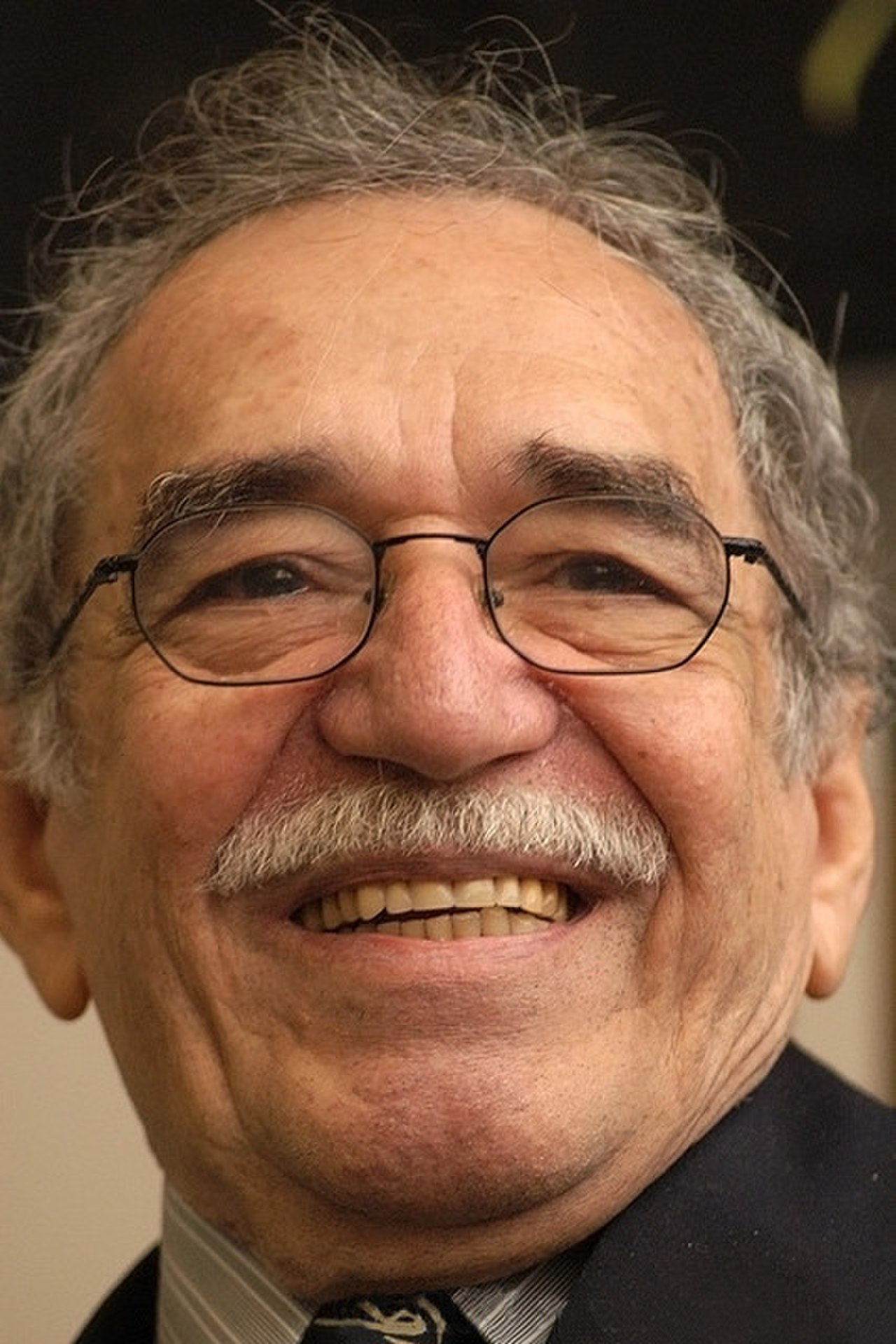
Latin American literature
From Pre-Columbian Narratives to Post-Colonial Realities
Latin American literature is a rich and complex tapestry woven from diverse historical threads, beginning with the sophisticated oral traditions of Indigenous civilizations like the Maya, Aztec, and Inca. These pre-Columbian narratives, often expressed through epic poems, myths, and chronicles, laid foundational elements of worldview and storytelling. The arrival of Europeans ushered in the colonial period, marked by chronicles that documented exploration, conquest, and the imposition of new languages and religions.
This era saw the emergence of a hybrid literary landscape, where Indigenous themes and forms began to interact with European literary conventions. The struggle for independence in the 19th century gave rise to nationalistic literatures, often romanticizing history and forging national identities. The 20th century, however, brought a profound reckoning with the legacies of colonialism, dictatorship, and social inequality, leading to groundbreaking literary movements that critically examined the region's tumultuous past and present, culminating in the 'Boom' and subsequent literary generations.
The Enduring Power of Magical Realism and Beyond
Magical realism stands as perhaps the most internationally recognized literary style originating from Latin America, famously exemplified by Gabriel García Márquez's 'One Hundred Years of Solitude.' This genre masterfully blends the mundane with the miraculous, presenting supernatural events with a matter-of-fact tone. It serves not merely as a stylistic flourish but as a profound tool for interpreting the often surreal realities of Latin American history, politics, and social structures.
The region's literature, however, extends far beyond magical realism, encompassing vibrant strands of social realism, testimonial literature, experimental prose, and potent poetry. Authors frequently explore themes of identity formation, the complexities of mestizaje (racial and cultural mixing), the impact of political oppression, and the enduring power of memory. This stylistic and thematic diversity reflects the continent's multifaceted experiences and its ongoing quest to define itself in a globalized world.
A Vital Contribution to Global Literary Consciousness
Latin American literature is far more than a regional phenomenon; it is a vital contributor to the global literary canon, offering unique perspectives that challenge and enrich universal understandings of the human condition. Its exploration of identity, particularly in the context of post-colonialism and cultural hybridity, provides crucial insights into the complexities of belonging in a diverse world. The region's writers have consistently pushed the boundaries of narrative form and thematic exploration, influencing literary trends worldwide.
The 'Latin American Boom' of the 1960s and 70s, for instance, introduced innovative storytelling techniques and profound social commentary to international audiences, paving the way for subsequent generations of writers. By engaging with these works, readers gain a deeper appreciation for cultural diversity, historical nuance, and the enduring power of storytelling to foster empathy and critical thinking across borders.
Key Figures and Enduring Legacies
The legacy of Latin American literature is built upon the shoulders of towering figures whose works continue to inspire and provoke. Jorge Luis Borges, with his labyrinthine narratives and philosophical depth, redefined the short story and essay, profoundly influencing postmodern literature globally. Gabriel García Márquez, a Nobel laureate, brought magical realism to international prominence, creating indelible characters and epic sagas that capture the soul of the continent.
Isabel Allende's powerful storytelling, often focusing on strong female protagonists and historical sweep, has garnered a massive global readership. Other pivotal figures include Mario Vargas Llosa, another Nobel laureate known for his intricate plots and social critique; Julio Cortázar, a pioneer of experimental fiction; and Octavio Paz, a poet and essayist who explored Mexican identity. These authors, among many others, have not only shaped Latin American literary traditions but have also left an indelible mark on world literature, demonstrating the universal appeal and profound impact of their narratives.
Contemporary Relevance and Future Trajectories
In the 21st century, Latin American literature continues to evolve, addressing contemporary issues such as globalization, migration, environmental concerns, and the ongoing impact of political and economic instability. Contemporary authors are engaging with these challenges through diverse voices and innovative forms, often incorporating elements of digital culture and global interconnectedness into their work. The rise of new literary hubs and the increasing visibility of women writers and LGBTQ+ voices are expanding the thematic and stylistic boundaries of the region's literature.
Furthermore, the ongoing dialogue between Latin American writers and their diasporic communities, as well as their engagement with global social justice movements, ensures that this literature remains relevant and dynamic. It continues to serve as a powerful medium for understanding complex societal shifts and for imagining alternative futures, solidifying its position as a crucial and evolving force in world literature.
See also
Frequently Asked Questions
What is Latin American literature?+
Why is magical realism famous?+
How did the colonial period change the stories of Latin America?+
What themes do Latin American books often explore?+
Who was a famous writer from the Latin American Boom?+
Based on content from Wikipedia · Licensed under CC BY-SA 4.0