

Lake Como
Images

The parochial church of St. Lorenzo, Tremezzo, Lake Como
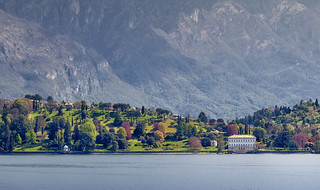


Geomorphological Marvel
Lake Como, known historically as Lario, is a prime example of a glacial lake, its distinctive Y-shape a direct result of ancient geological forces. The immense Adda glacier, during its slow but powerful movement, carved deep into the pre-Alpine terrain. Diverted by the mountainous landscape, the glacier sculpted three distinct basins, creating the lake's characteristic trident form.
This glacial sculpting also contributed to its remarkable depth, exceeding 400 meters (1,300 feet), making it one of Europe's deepest freshwater bodies. Situated at the southern edge of the Alps, the lake benefits from a unique microclimate. The surrounding mountains provide a dramatic backdrop and host diverse Alpine flora and fauna, while the lake itself moderates temperatures, fostering a humid, mild climate that supports a rich tapestry of plant life, from traditional Mediterranean crops like olives to more exotic subtropical species.
A Timeless Retreat
The allure of Lake Como has captivated humans for millennia. Its strategic location and scenic beauty made it a favored retreat for the wealthy and powerful since Roman times. Julius Caesar's establishment of Novum Comum in 59 BC underscores its early importance. Over centuries, the shores became adorned with opulent villas and palaces, such as Villa Olmo and Villa Carlotta, testaments to architectural grandeur and sophisticated landscape design.
These estates, often featuring elaborate gardens, reflect a history of aristocratic patronage and a deep appreciation for aesthetic beauty. The region's cultural significance is further highlighted by sites like the Sacro Monte di Ossuccio, a UNESCO World Heritage Site, showcasing the enduring spiritual and artistic heritage embedded in the landscape. This historical legacy continues to draw visitors seeking both natural splendor and cultural enrichment.
Economic Evolution
The economic landscape of Lake Como has undergone significant transformations. Historically, its strategic position facilitated trade routes during the Roman era and subsequent periods, though this also made it a site of conflict. A pivotal development in the region's economic history was the rise of the silk industry in the 19th and 20th centuries, which significantly boosted prosperity and established a reputation for fine textiles.
Today, the economy is heavily reliant on tourism, drawing millions of visitors annually who are attracted by the lake's natural beauty, historical villas, and cultural attractions. This reliance on tourism fuels local employment in hospitality, retail, and services. However, the immense popularity has led to considerable challenges associated with overtourism, straining local infrastructure, impacting the environment, and altering the traditional fabric of the communities.
Balancing economic benefits with sustainable tourism practices remains a key concern for the region.
Governance and Cultural Resonance
Lake Como is situated within the Lombardy region of Italy, and its governance follows the Italian national and regional political structures. The province of Como serves as the administrative center, with the city of Como being the main urban hub. Local governance focuses on managing public services, infrastructure, and regional development, increasingly grappling with the complexities introduced by mass tourism.
Culturally, Lake Como holds a significant place in the Italian consciousness and beyond. Its breathtaking scenery has been immortalized in literature, film, and music, serving as a backdrop for romantic narratives and aspirational lifestyles. This cultural resonance amplifies its appeal as a tourist destination, creating a feedback loop where its depiction in media further drives visitor numbers.
The ongoing dialogue about preserving its heritage while accommodating modern demands is central to its future.
Education and Research in a Unique Environment
The region surrounding Lake Como offers unique opportunities for education and research, particularly in fields related to environmental science, geology, and cultural heritage. Universities and research institutions in nearby cities, such as the University of Insubria, often conduct studies focused on the lake's ecosystem, its glacial history, and the conservation of its historic villas and surrounding natural landscapes. Educational programs for tourists also exist, aiming to foster a deeper understanding and appreciation of the area's natural and cultural significance.
For instance, guided tours often incorporate historical context and ecological information, enhancing the visitor experience. The presence of UNESCO World Heritage sites like the Sacro Monte di Ossuccio provides invaluable living laboratories for students and researchers studying historical preservation, religious art, and landscape integration. The educational focus is increasingly shifting towards sustainable practices and the long-term stewardship of this precious environment.
Go deeper
Frequently Asked Questions
What shape is Lake Como and why is it shaped that way?+
How deep is Lake Como?+
Why did wealthy people build villas around Lake Como?+
What do most people in Lake Como do for work today?+
What is a problem that Lake Como has because so many tourists visit?+
Based on content from Wikipedia · Licensed under CC BY-SA 4.0