

Lagoon
Images
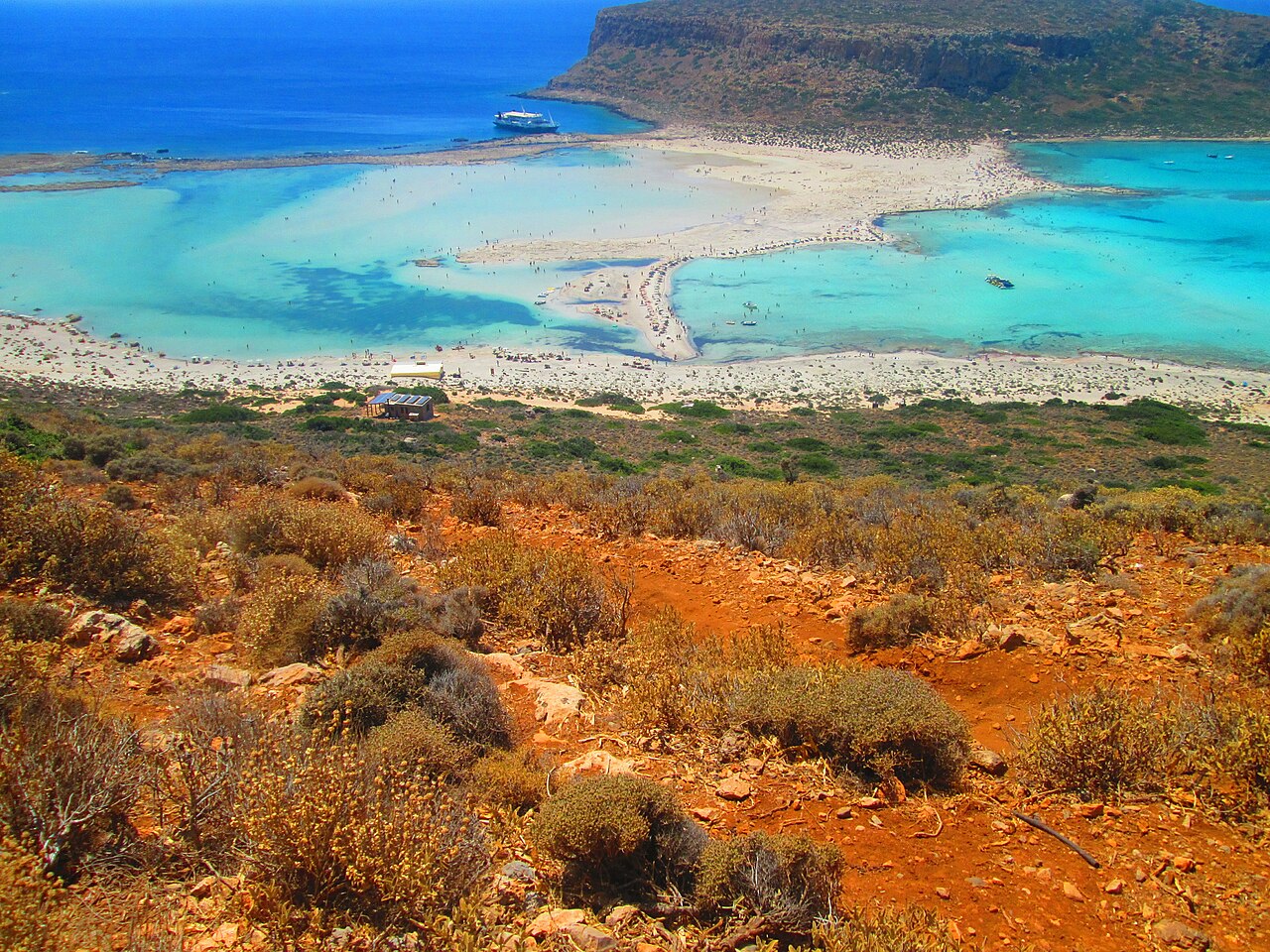
Lagoon
Defining the Lagoon
A lagoon is fundamentally defined as a shallow body of water that is hydrologically separated from a larger, open body of water by a natural barrier. This barrier can manifest in several forms: barrier islands, which are elongated accumulations of sand and sediment parallel to the coast; barrier peninsulas, which are similar but attached to the mainland at one end; or coral reefs, particularly in the case of atoll lagoons. The degree of separation can vary, influencing water exchange and salinity.
Coastal lagoons are typically found along continental margins, often associated with mixed sand and gravel coastlines, while atoll lagoons are characteristic of tropical oceanic environments. There is a recognized overlap in classification with estuaries, particularly where significant freshwater inflow meets the lagoon, creating complex salinity gradients. Lagoons represent a transitional zone between terrestrial and marine environments, exhibiting unique geomorphological processes driven by wave action, tidal currents, and sediment transport.
Genesis of Lagoons
The formation of lagoons is a testament to the dynamic interplay of geological and oceanographic forces over extended periods. Coastal lagoons commonly originate from the progradation of shorelines, where sediment supplied by rivers or longshore drift accumulates to form barrier spits or islands. These barriers can evolve through processes like overwash, breaching, and migration, constantly reshaping the lagoon's boundaries and connection to the sea.
Sea-level fluctuations also play a critical role, influencing barrier development and lagoon infill rates. Atoll lagoons, conversely, are primarily associated with the subsidence of volcanic islands in tropical oceans. As the island sinks, fringing coral reefs grow upwards, maintaining their position relative to sea level.
Over geological time, the island may disappear entirely, leaving behind a ring of coral (an atoll) enclosing a central lagoon. The evolution of lagoons is a continuous process, involving sedimentation, erosion, and changes in sea level, making them dynamic and ever-changing landscapes.
Ecological Niches
Lagoons are ecologically vital systems, serving as critical habitats and nurseries for a wide array of marine and estuarine organisms. Their sheltered, often nutrient-rich waters provide a safe haven for juvenile fish, crustaceans, and mollusks, shielding them from the high-energy conditions and predation pressures of the open ocean. This role as a nursery ground significantly contributes to the productivity of adjacent marine ecosystems.
The varying salinity levels, from fully marine to brackish, support specialized flora and fauna adapted to these transitional environments. Many species exhibit specific life cycle stages within lagoons, highlighting their importance in maintaining regional biodiversity. Furthermore, lagoons can act as filters, trapping sediments and pollutants, thereby improving water quality in connected marine areas.
Their ecological significance extends to supporting coastal food webs and providing essential habitats for migratory birds and other wildlife.
Hydrodynamics and Geochemistry
The physical and chemical characteristics of a lagoon are dictated by its hydrodynamics and geochemistry, which are in turn influenced by its morphology and degree of connection to the open sea. Water exchange with the ocean occurs through tidal inlets, and the volume and frequency of this exchange are crucial for maintaining salinity regimes, flushing out waste products, and supplying nutrients. Inflow from rivers or groundwater can introduce freshwater, leading to stratification and complex salinity gradients, particularly in estuaries that may be classified as lagoons.
Sedimentation is a dominant process, with lagoons often acting as sinks for fine-grained materials eroded from the coast or transported by rivers. This sedimentation can lead to lagoon infill and eventual terrestrialization over geological timescales. Geochemically, lagoons can experience unique conditions, including periods of low dissolved oxygen (hypoxia) due to high organic matter decomposition and limited water circulation, impacting the benthic environment and the organisms that inhabit it.
Socio-Economic and Environmental Relevance of Lagoons
Lagoons hold significant socio-economic and environmental importance for coastal communities worldwide. They often support valuable commercial and subsistence fisheries, providing livelihoods and food security. Their aesthetic appeal and recreational opportunities, such as boating, swimming, and birdwatching, contribute to tourism economies.
Beyond their direct economic benefits, lagoons play a crucial role in coastal protection. Their barrier systems dissipate wave energy, reducing erosion and mitigating the impact of storm surges on shorelines and inland areas. This natural buffering capacity is increasingly recognized as vital in the face of rising sea levels and more intense storm events.
However, lagoons are also vulnerable to anthropogenic pressures, including pollution from agricultural runoff and urban development, habitat destruction, and the impacts of climate change. Sustainable management practices are essential to preserve these unique and valuable ecosystems for future generations.
Go deeper
Based on content from Wikipedia · Licensed under CC BY-SA 4.0