

Kitzbühel
Images

Kitzbühel




Geographical Foundation of Alpine Prestige
Kitzbühel's identity is intrinsically linked to its dramatic geographical setting within the Kitzbühel Alps in Tyrol, Austria. Located approximately 100 kilometers east of the state capital Innsbruck, it occupies a strategic position within a stunning alpine landscape. The town is bisected by the Kitzbüheler Ache river, a feature that adds to its picturesque charm and historical development.
The surrounding mountain ranges provide not only a breathtaking visual backdrop but also the essential topography for world-class winter sports. The climate is characterized by distinct alpine seasons: cold, snowy winters that are crucial for its tourism industry, and milder summers that support hiking and other outdoor pursuits. This geographical endowment is the primary asset that Kitzbühel has capitalized upon, transforming its natural beauty into a globally recognized brand for luxury and adventure.
The town's administrative role as the capital of the Kitzbühel district further solidifies its regional importance.
From Medieval Roots to Modern Icon
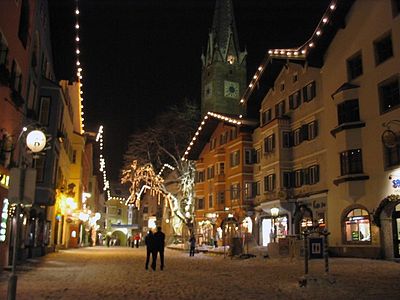
The historical trajectory of Kitzbühel is a compelling narrative of evolution from a modest medieval settlement to a preeminent global destination. Its origins as a town dating back centuries are evident in its remarkably preserved medieval town center, characterized by narrow cobblestone streets and historic architecture. This historical authenticity is not merely a relic but a core component of its allure, providing a unique ambiance that attracts discerning visitors.
Over time, Kitzbühel has strategically developed its infrastructure and reputation, particularly in the realm of winter sports. The town's ability to maintain its historical integrity while simultaneously embracing modern luxury and tourism development is a key factor in its enduring success. This careful balance allows it to offer a unique experience that blends the charm of the past with the sophistication of the present, making it a sought-after location for those who value both heritage and exclusivity.
The Economics of Alpine Exclusivity and Global Appeal
Kitzbühel's economy is a prime example of how a locale can leverage its unique geographical and historical assets to create a highly specialized and lucrative tourism market. It is globally recognized as one of the most exclusive and prestigious ski resorts, attracting a clientele of international high society, including celebrities, business magnates, and royalty. This exclusivity translates directly into economic power, with Kitzbühel boasting some of the most expensive real estate in Austria.
The town's proximity to major population centers like Munich further enhances its appeal, making it a favored location for vacation homes among the German elite. The primary economic drivers are luxury tourism, high-end hospitality, and premium real estate development. The famous 'Streif' downhill ski race is a significant event that not only showcases the town's sporting prowess but also generates substantial media attention and economic activity.
This economic model is built on catering to a discerning, affluent demographic, ensuring a high standard of services and amenities.
Governance and Community in an Elite Enclave
As the administrative center of the Kitzbühel district, the town plays a significant role in regional governance. The local government is responsible for managing the town's development, infrastructure, and public services, balancing the needs of its permanent residents with the demands of its high-profile tourism industry. The political system follows Austria's democratic framework, with elected officials making decisions that shape the town's future.
Maintaining the town's historical character while accommodating modern development and managing the influx of international visitors presents unique governance challenges. The community itself is a blend of long-term residents, many of whom are involved in the tourism and service industries, and a significant population of affluent second-home owners. This dynamic influences the social fabric and economic priorities of Kitzbühel, requiring careful consideration in policy-making to ensure sustainability and resident well-being alongside economic prosperity.
Education and Human Capital in a Specialized Economy
The educational landscape in Kitzbühel is shaped by its unique economic focus on luxury tourism and international hospitality. While the town serves a permanent population of approximately 8,100 residents, its educational institutions must also cater to the needs of a highly specialized workforce and a transient, affluent visitor base. Local schools provide foundational education in German, adhering to the Austrian curriculum.
However, given the international nature of the tourism sector, there is often an emphasis on language acquisition, particularly English, which is crucial for guest services. Beyond primary and secondary education, Kitzbühel benefits from its proximity to larger educational centers in Tyrol, such as Innsbruck, which offer higher education and specialized training programs in hospitality management, tourism, and business. The development of human capital in Kitzbühel is thus geared towards nurturing professionals who can maintain the town's high standards of service and contribute to its reputation as a world-class destination.
This includes training in areas like culinary arts, hotel management, ski instruction, and customer service, ensuring a skilled workforce capable of meeting the expectations of a global elite.
See also
Frequently Asked Questions
What is Kitzbühel known for?+
Where is Kitzbühel located?+
Why do people go to Kitzbühel in winter?+
How does Kitzbühel keep its old town while being modern?+
What is the famous ski race in Kitzbühel?+
Based on content from Wikipedia · Licensed under CC BY-SA 4.0