

King County, Washington
Images
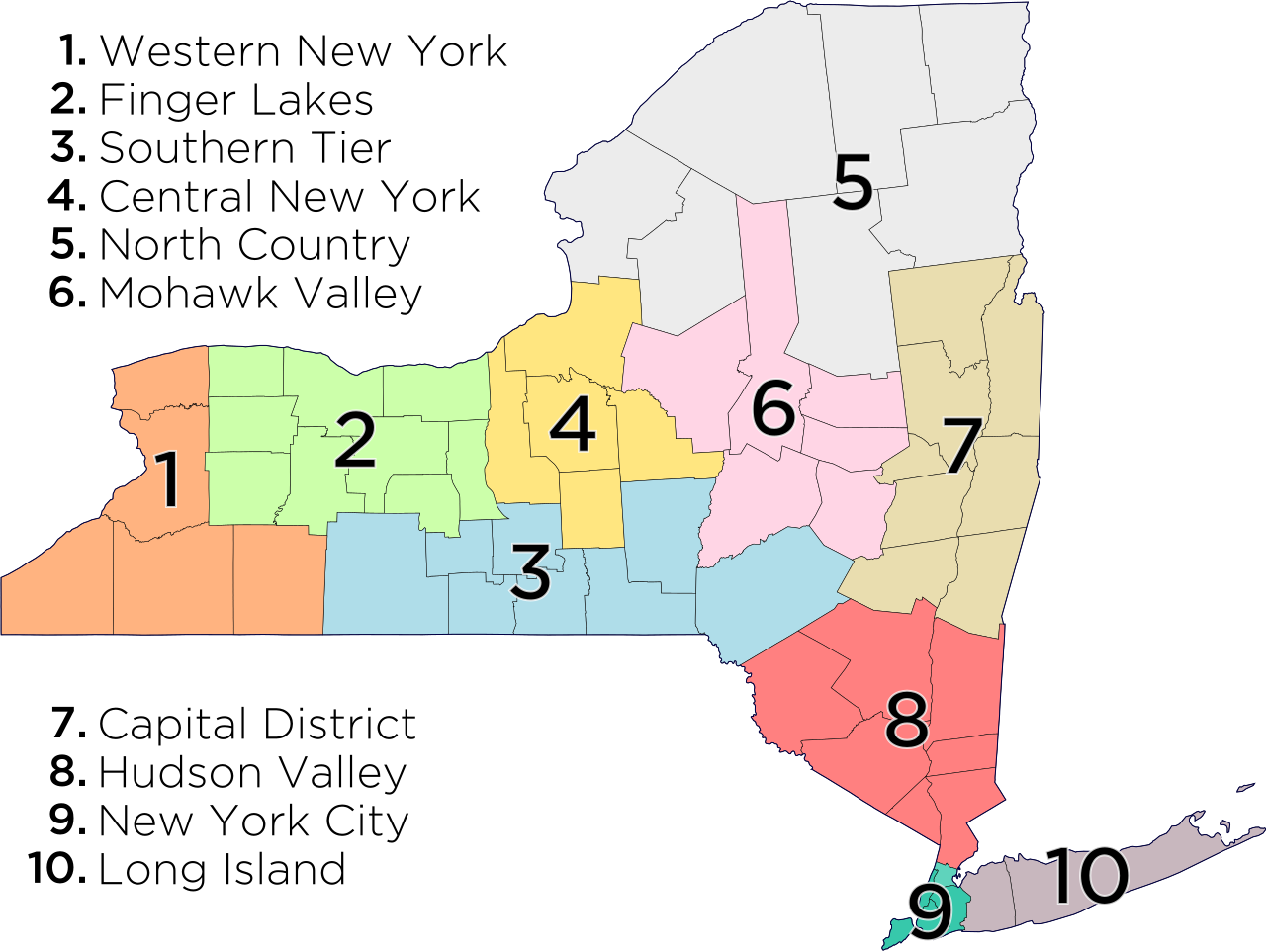
Map of New York Economic Regions

Geographic Foundations and Environmental Dynamics
King County, situated in the Pacific Northwest of the United States, is characterized by its dramatic topography and diverse ecosystems. Bordered by the Cascade Mountains to the east and the Olympic Mountains to the west, the county encompasses a significant portion of Puget Sound, a major estuary of the Pacific Ocean. This geography influences its climate, which is temperate maritime, marked by cool, wet winters and warm, dry summers, often referred to as a 'Seattle climate.' The county's area of nearly 4,000 square miles supports a variety of natural features, including extensive forests, numerous lakes, and rivers, which are crucial for both recreation and ecological balance.
The presence of major urban centers, such as Seattle, alongside vast undeveloped wilderness areas, creates a unique juxtaposition of human development and natural preservation efforts.
Historical Evolution and Identity Transformation
Established in 1852, King County's history is a narrative of settlement, growth, and evolving identity. Initially named in honor of William R. King, a prominent figure in U.S. politics, the county's designation underwent a significant transformation in 1986.
In a move reflecting a broader societal re-evaluation of historical figures and their legacies, the county government voted to rename it in honor of Martin Luther King Jr., a pivotal leader of the Civil Rights Movement. This renaming process, a complex undertaking involving state legislative approval which concluded in 2005, signifies a conscious effort to align the county's identity with values of equality and social justice. The development of the region, particularly the rapid expansion of its suburban areas into major economic hubs in the late 20th and early 21st centuries, has further shaped its historical trajectory.
Demographic Landscape and Cultural Mosaic
King County is the most populous county in Washington state and ranks among the top most populous in the United States, with a population exceeding 2.2 million. This demographic density is largely concentrated in Seattle and its extensive surrounding suburbs. The county is a significant hub for immigration and internal migration, fostering a rich cultural mosaic. English is the predominant language, but a multitude of other languages are spoken, reflecting the diverse origins of its residents.
This multicultural environment influences everything from cuisine and arts to social dynamics and community organizations. The development of suburban areas into sophisticated job centers, particularly in the technology sector, has attracted a highly educated and diverse workforce, further enriching the county's cultural fabric.
Economic Powerhouse
The economy of King County is a global powerhouse, driven by innovation and a strong presence in several key industries. It is particularly renowned as a world leader in technology, hosting the headquarters of major corporations in software development, e-commerce, and cloud computing. Aerospace is another foundational industry, with a significant manufacturing presence.
The county's strategic location on the Pacific Rim also makes it a vital center for international trade and logistics. The transformation of its suburbs into dynamic economic centers, rather than just residential areas, has created a robust job market and attracted significant investment. This economic vitality underpins the county's high standard of living and its influence on regional and global markets.
Governance and Civic Engagement in a Complex Region
King County operates under a charter county government system, which provides a framework for its administration and public services. The county executive and a nine-member county council are responsible for governing. This structure oversees a wide array of essential services, including public health, transportation, parks, and regional planning, impacting the lives of millions.
The county's role extends to managing services that cross municipal boundaries, addressing regional challenges like traffic congestion and environmental protection. The significant population and economic activity necessitate a complex and responsive governmental system, balancing the needs of urban centers with those of more rural or suburban areas, and reflecting the evolving priorities of its diverse populace, as evidenced by the significant renaming of the county itself.
See also
Frequently Asked Questions
What is King County and where is it located?+
Why was the county renamed after Martin Luther King Jr.?+
How many people live in King County?+
What kinds of jobs are common in King County?+
What is the climate like in King County?+
Based on content from Wikipedia · Licensed under CC BY-SA 4.0