

The Khmer Rouge: A Sad Time in Cambodia
Images
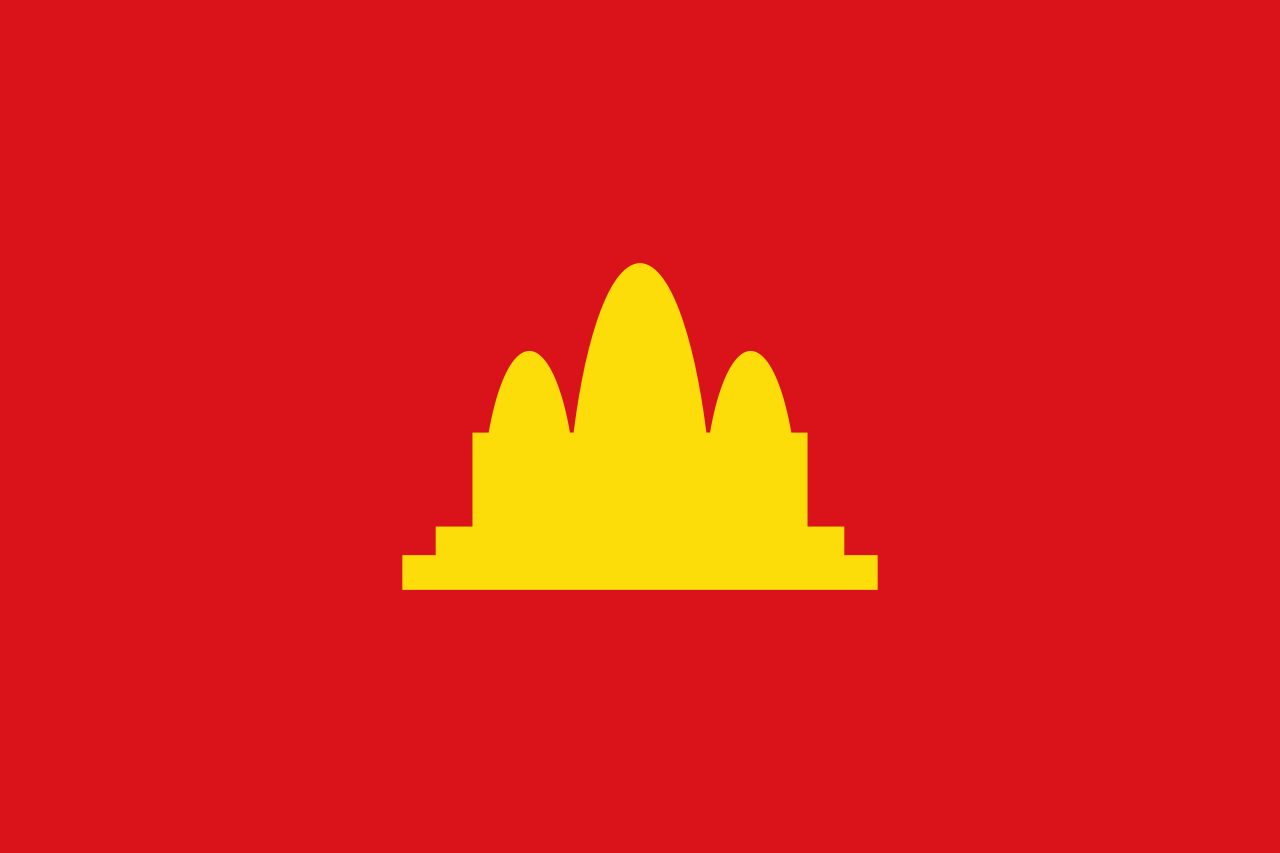
Khmer Rouge
The Genesis of Radicalism
The Khmer Rouge emerged from a complex mix of Cambodian nationalism, anti-colonial sentiment, and Maoist-inspired communism. Initially a small guerrilla movement, their ranks swelled as they exploited post-colonial instability and the fallout from the Vietnam War. Pol Pot, their charismatic and ruthless leader, envisioned a radical transformation of Cambodia into a purely agrarian, self-sufficient socialist state, free from any vestiges of foreign influence or perceived class enemies.
Their ideology was a unique and brutal interpretation of communism, prioritizing absolute equality through the eradication of all social hierarchies, including intellectualism, urban life, and even family structures. This extreme vision fueled their determination to dismantle existing Cambodian society entirely, believing that only through complete destruction could their utopian ideal be built upon the ashes.
Operation 'Year Zero'
Upon seizing power in April 1975, the Khmer Rouge immediately declared 'Year Zero,' signaling a complete break with the past and the commencement of their radical social engineering. The forced evacuation of cities, particularly Phnom Penh, was swift and brutal, displacing millions into rural labor camps. This was followed by the systematic abolition of institutions deemed counter-revolutionary: money, markets, private property, religion, and formal education were outlawed.
Intellectuals, professionals, ethnic minorities, and anyone displaying signs of 'bourgeois' or foreign influence-such as wearing glasses or speaking foreign languages-were targeted for immediate elimination. Families were deliberately broken apart, with children often re-educated and encouraged to report on their parents, fostering an atmosphere of pervasive fear and surveillance. The goal was to create a new Khmer person, stripped of individual identity and subservient to the collective and the Party.
The Cambodian Genocide
The period of Khmer Rouge rule (1975-1979) is synonymous with the Cambodian genocide, a horrific event where an estimated 1.7 to 2.2 million people perished. Deaths resulted from a combination of mass executions, starvation due to forced agricultural collectivization and mismanagement, disease exacerbated by lack of medical care, and sheer exhaustion from brutal labor. The regime established numerous Security Centers, the most infamous being Tuol Sleng (S-21), a former school converted into a torture and interrogation facility where prisoners were systematically murdered.
The 'Killing Fields' refer to the numerous sites across Cambodia where mass graves containing the victims of these atrocities were discovered. The scale and systematic nature of the violence, targeting vast swathes of the population based on perceived social or political status, underscore the genocidal intent of the regime.
The Aftermath and Enduring Legacy
The Khmer Rouge regime was finally overthrown in January 1979 by an invasion from neighboring Vietnam, which had grown increasingly concerned by Khmer Rouge border raids and the escalating human rights crisis. However, the Khmer Rouge continued to operate as a resistance movement for many years, complicating Cambodia's path to recovery. The legacy of the Khmer Rouge is profound and multifaceted: it includes deep societal trauma, a generation grappling with loss, and the ongoing challenge of national reconciliation and justice.
International tribunals were eventually convened to prosecute surviving Khmer Rouge leaders for crimes against humanity and genocide. The memory of the Killing Fields serves as a perpetual reminder of the devastating consequences of unchecked ideological extremism and the critical importance of international human rights law and intervention.
Go deeper
Frequently Asked Questions
What was the Khmer Rouge and when did they take over Cambodia?+
Why did the Khmer Rouge want to change Cambodia so much?+
How did the Khmer Rouge treat people who were different or had foreign ties?+
What happened to families and children under the Khmer Rouge?+
When did the Khmer Rouge end and what happened after?+
Based on content from Wikipedia · Licensed under CC BY-SA 4.0