

Keith Emerson
Images

Jonny does Keith Emerson 2




The Genesis of a Keyboard Virtuoso
Keith Noel Emerson (1944-2016) emerged as a pivotal figure in the late 1960s and 1970s, fundamentally altering the perception and capabilities of the keyboard in rock music. His early career with The Nice showcased a bold departure from conventional rock instrumentation, characterized by audacious reinterpretations of classical masterpieces like 'America' (based on Charles Ives' 'The Unanswered Question') and 'Rondo' (based on Janáček's 'Sinfonietta'). This period established Emerson's signature style: a fusion of virtuosic classical technique, a flair for dramatic improvisation, and a growing fascination with electronic sound manipulation.
He didn't merely adapt classical music; he deconstructed and rebuilt it within a rock framework, injecting it with a raw, visceral energy that resonated with a new generation of listeners. His performances were theatrical events, pushing the boundaries of stagecraft and instrumental interaction, often involving elaborate stage setups and his own dynamic, almost physical, engagement with his instruments.
Emerson, Lake & Palmer
The formation of Emerson, Lake & Palmer (ELP) in 1970 marked the zenith of Emerson's career and a landmark moment for progressive rock. As one of the genre's first 'supergroups,' ELP combined Emerson's keyboard wizardry with the formidable talents of bassist/vocalist Greg Lake and drummer Carl Palmer. Their albums, particularly 'Tarkus' (1971) and 'Brain Salad Surgery' (1973), are seminal works of progressive rock, celebrated for their intricate compositions, ambitious scope, and sophisticated arrangements.
Emerson's compositions often drew inspiration from classical composers such as Bach, Bartók, and Mussorgsky, integrating their thematic material into complex rock suites. He was instrumental in popularizing the Moog synthesizer within rock, utilizing its vast sonic palette to create orchestral textures, futuristic soundscapes, and powerful lead lines that were previously unimaginable. ELP's commercial success throughout the 1970s demonstrated the widespread appeal of their complex, artful approach to rock music, proving that challenging music could also achieve massive popularity.
Sonic Innovation and Performance Artistry
Emerson's relentless pursuit of new sounds and performance techniques set him apart. His mastery of the Moog synthesizer was particularly groundbreaking. He was one of the first rock musicians to extensively use this instrument, not just for textural effects but as a primary lead instrument capable of mimicking orchestral sounds and generating entirely new sonic identities.
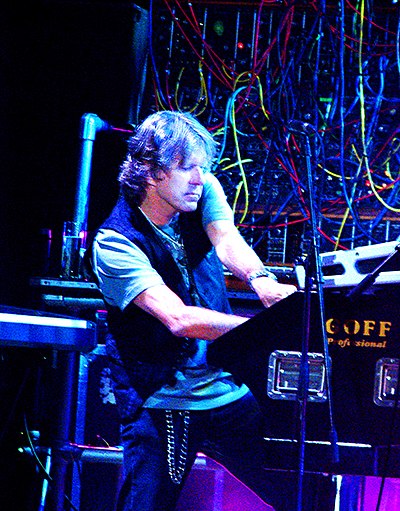
His live performances were legendary for their theatricality and technical demands. He famously incorporated a massive modular Moog synthesizer into his stage setup, often playing it while standing, and his energetic performances included dramatic gestures, such as stabbing his keyboards with knives to change sounds instantly. This fusion of technical brilliance, sonic experimentation, and performance art elevated his concerts into immersive experiences that transcended typical rock shows.
His ability to connect with audiences on both an intellectual and visceral level through his music and stage presence was unparalleled.
Enduring Influence and Musical Evolution
Keith Emerson's legacy extends far beyond his chart success. He is widely recognized as one of the most influential keyboardists in rock history, inspiring generations of musicians across various genres, from progressive rock and metal to electronic music. He demonstrated the potential for keyboards to be the central, driving force in a rock ensemble, challenging the guitar's dominance.
His integration of classical music into rock expanded the genre's artistic vocabulary and paved the way for greater musical complexity and experimentation. Even as he navigated personal challenges, including nerve damage that impacted his playing, Emerson continued to explore new musical frontiers, composing film scores, collaborating with orchestras, and touring with his own bands. His final album, 'The Three Fates Project,' released in 2012, exemplified his continued dedication to musical exploration.
Emerson's profound impact lies in his ability to synthesize diverse musical traditions, push technological boundaries, and deliver performances of extraordinary passion and skill, solidifying his status as a true iconoclast.
The Complexities of Artistic Drive and Personal Struggle
While celebrated for his immense talent, Emerson's life also reveals the intense pressures and personal struggles that can accompany a life dedicated to artistic innovation. The relentless demands of touring, the creative drive to constantly push boundaries, and the physical challenges of maintaining peak performance undoubtedly took a toll. Reports indicate he struggled with depression and developed nerve damage in his hands, a devastating affliction for a musician of his caliber.
This physical deterioration, coupled with the anxiety it generated about his ability to perform, highlights the profound connection between an artist's physical well-being and their creative output. His tragic death in 2016 serves as a somber reminder of the personal sacrifices and internal battles that can accompany a life devoted to groundbreaking artistic expression, underscoring the complex interplay between genius, dedication, and mental health in the public eye.
See also
Frequently Asked Questions
Who was Keith Emerson?+
What famous band did Keith Emerson start?+
Which special instrument did Keith Emerson help make popular?+
How did Keith Emerson perform on stage?+
Why is Keith Emerson important to rock music?+
Based on content from Wikipedia · Licensed under CC BY-SA 4.0