

Karate
Images
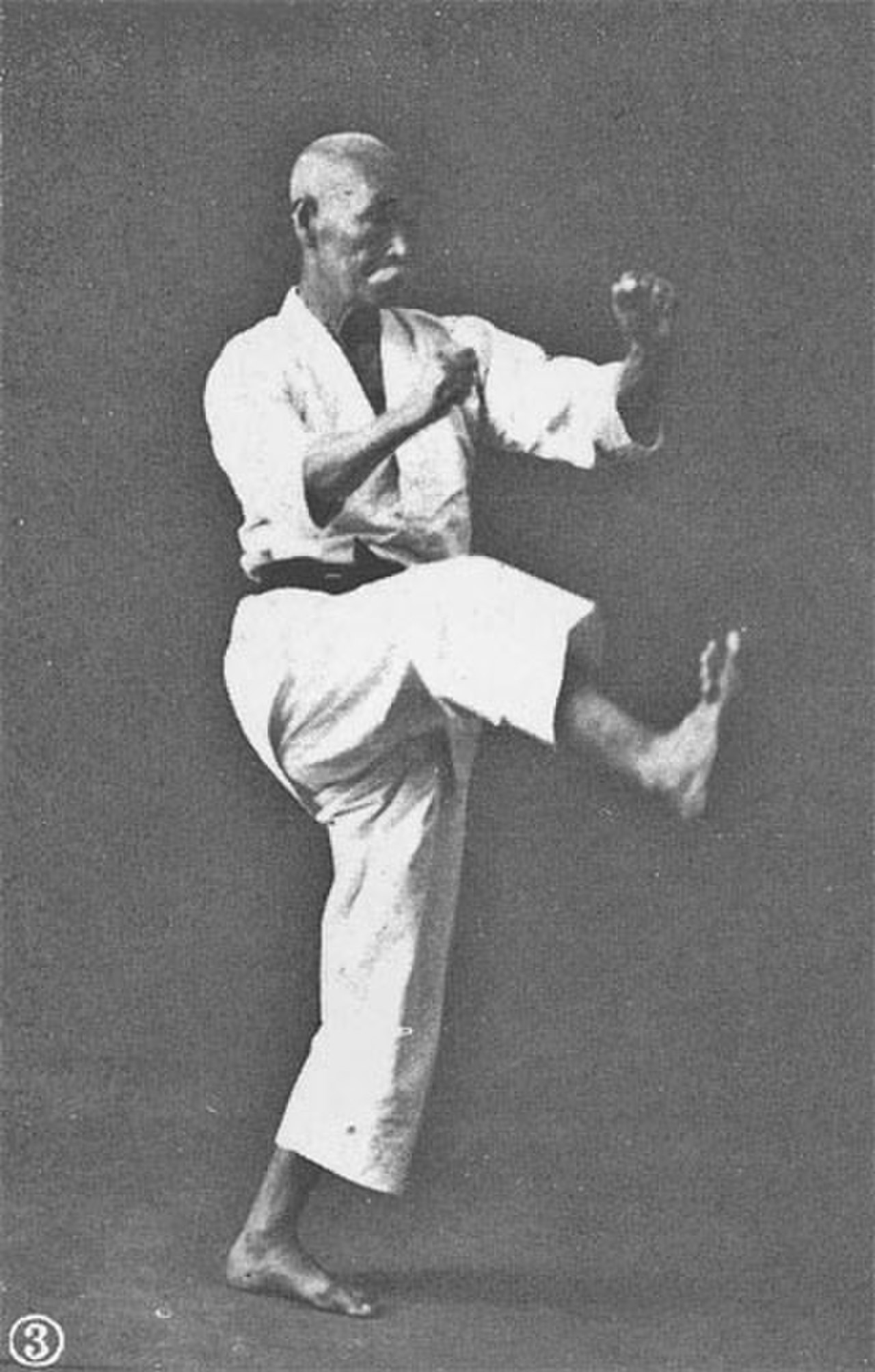
Karate
The Genesis of Karate
The origins of Karate are deeply intertwined with the unique socio-political history of Okinawa, a strategically located island chain that served as a nexus for trade and cultural exchange between East Asia. During the Ryukyu Kingdom era, particularly after the Satsuma invasion in 1609, Okinawans faced severe restrictions on the possession of weapons. This prohibition spurred the development and refinement of indigenous unarmed combat systems, collectively known as 'Te' (hand). 'Te' was not a monolithic art but comprised distinct styles practiced in different regions of Okinawa, such as Shuri-te, Naha-te, and Tomari-te.
These styles were further influenced by Chinese martial arts, brought by sailors, traders, and envoys, leading to a synthesis of techniques. This fusion created a potent system of self-defense that emphasized striking, grappling, and joint manipulation. The transition from a clandestine practice to a more formalized art occurred in the late 19th and early 20th centuries, with masters like Gichin Funakoshi playing a pivotal role in introducing Karate to mainland Japan, where it was systematically organized and disseminated.
The Philosophical Core
Karate, often translated as 'the way of the empty hand,' transcends mere physical combat; it is fundamentally a 'Do' (道), a path or way of life. This philosophical dimension is crucial to understanding its enduring appeal. The Dōjōkun, or training hall precepts, articulate this ethos: seek perfection of character, be faithful, endeavor, respect others, and refrain from violent behavior.
These tenets are not merely recited but are intended to be integrated into daily life, fostering discipline, humility, and mental fortitude. The practice of 'kata,' intricate pre-arranged forms, serves as a moving meditation, demanding intense focus and precision, thereby cultivating mindfulness. 'Kumite,' or sparring, while a practical application of techniques, is also governed by strict etiquette, emphasizing control and mutual respect rather than aggression. This holistic approach aims to develop individuals who are not only physically capable but also morally upright and mentally resilient, prepared to face life's challenges with composure and integrity.
Evolution of Practice
The journey of Karate from Okinawa to the global stage has resulted in a diverse array of styles, each with its own nuances in technique, philosophy, and training methodology. Gichin Funakoshi's Shotokan, for instance, is characterized by deep stances and powerful linear movements, while Chojun Miyagi's Goju-ryu incorporates both hard and soft techniques, circular blocks, and close-range combat. Other prominent styles like Wado-ryu, Shito-ryu, and Kyokushin have further diversified the art, each emphasizing different aspects of its practice.
The establishment of international federations and the inclusion of Karate in events like the Olympic Games have standardized certain aspects of competition, particularly in sport Karate. However, traditional Karate schools continue to preserve and teach the art in its more classical forms, focusing on self-defense applications and the philosophical 'Do.' This duality between sport and tradition ensures Karate remains a dynamic and multifaceted discipline.
Karate's Contemporary Relevance
In the 21st century, Karate's relevance extends far beyond its original purpose of self-defense. Its rigorous training regimen offers significant physical benefits, including improved cardiovascular health, strength, flexibility, and coordination. For many, it serves as a powerful stress-relief mechanism and a means to maintain an active lifestyle.
Psychologically, the discipline and goal-setting inherent in Karate practice contribute to enhanced self-esteem, confidence, and resilience. These attributes are invaluable in academic and professional pursuits. Furthermore, the emphasis on respect, perseverance, and ethical conduct provides a strong moral framework, particularly for young practitioners, helping to shape responsible citizens.
Karate's adaptability is also evident in its integration into various therapeutic programs and its continued exploration in academic research concerning motor control, cognitive function, and the psychological impact of martial arts training.
Go deeper
Frequently Asked Questions
What is Karate and where did it come from?+
Why is Karate called "the way of the empty hand"?+
How do Karate students practice their skills?+
What are some popular styles of Karate?+
Can Karate be played in competitions like the Olympics?+
Based on content from Wikipedia · Licensed under CC BY-SA 4.0