

John Hanning Speke
Images
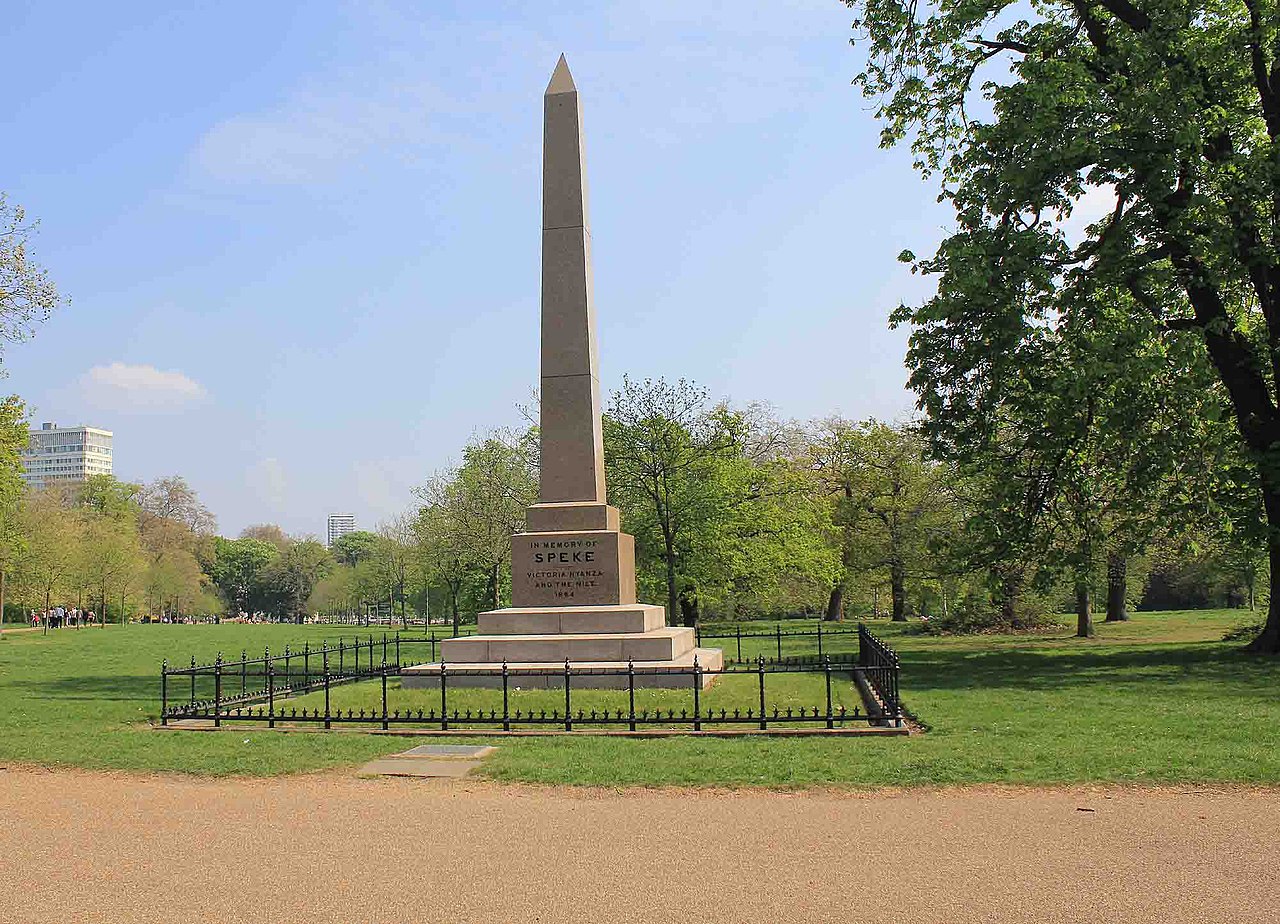
John Hanning Speke Memorial, Kensington Gardens - geograph.org.uk - 2363934


The Victorian Era's Geographical Frontier
The mid-19th century was a golden age for geographical exploration, with the source of the Nile River being one of the last great mysteries of the known world. European powers and learned societies were intensely interested in solving this puzzle, driven by scientific curiosity, national prestige, and economic potential. John Hanning Speke, an officer in the British Indian Army, was drawn into this competitive arena.
His expeditions were part of a broader narrative of discovery that sought to map the African continent and understand its complex hydrological systems. Speke's approach was characterized by a dogged persistence, often venturing into regions with limited support and facing considerable environmental and political challenges. His personal drive and meticulous, albeit sometimes debated, observations marked him as a key figure in this era of exploration.
Lake Victoria
Speke's most significant contribution came during his second expedition in 1858, when he reached the shores of an immense body of freshwater, which he named Lake Victoria. This discovery was revolutionary. The sheer scale of the lake, which he estimated to be roughly the size of the Mediterranean Sea, immediately suggested it as a primary reservoir for the Nile.
He observed the lake's outflow, which he identified as the beginnings of the White Nile, the longest branch of the river. This identification was a critical step in confirming the Nile's source, though the intricate network of rivers and tributaries feeding Lake Victoria itself would require further investigation by Speke and others. The discovery was celebrated in Britain, solidifying Speke's reputation as a leading explorer.
Local Knowledge and European Interpretation
While Speke is credited with being the first European to reach Lake Victoria, it is crucial to acknowledge the deep historical knowledge held by the local populations. The lake and its surrounding regions were home to various ethnic groups, including the Baganda people, who referred to the lake as Nnalubaale and its outflow as Kiyira. These names reflect a long-standing relationship with the water system.
Speke's work involved interacting with local guides and informants, whose knowledge was indispensable to his progress. However, the narrative of discovery often prioritized the European perspective, sometimes overshadowing the contributions and existing understanding of indigenous peoples. Speke's interpretation of Lake Victoria as the definitive source of the Nile, while groundbreaking for European geography, was a synthesis of his observations and the information he gathered, filtered through the scientific paradigms of his time.
The Lasting Impact and Controversies
John Hanning Speke's identification of Lake Victoria as the source of the Nile was a landmark achievement that profoundly influenced subsequent geographical understanding and exploration of Africa. His findings spurred further expeditions, including those led by Henry Morton Stanley, who later circumnavigated Lake Victoria. However, Speke's conclusions were not universally accepted during his lifetime. Rival explorers, notably Sir Richard Burton, questioned his evidence and proposed alternative theories.
This scientific debate underscored the challenges of exploration in vast, complex territories and the rigorous standards required for geographical proof. Tragically, Speke died in a hunting accident in 1864, shortly before a planned public debate with Burton, leaving his legacy somewhat contested but undeniably central to the history of Nile exploration.
Go deeper
Frequently Asked Questions
Who was John Hanning Speke?+
What did Speke discover about the Nile?+
Why was Lake Victoria important?+
Did local people know about the lake before Speke?+
Did everyone agree with Speke's idea?+
Based on content from Wikipedia · Licensed under CC BY-SA 4.0