

John Calvin
Images
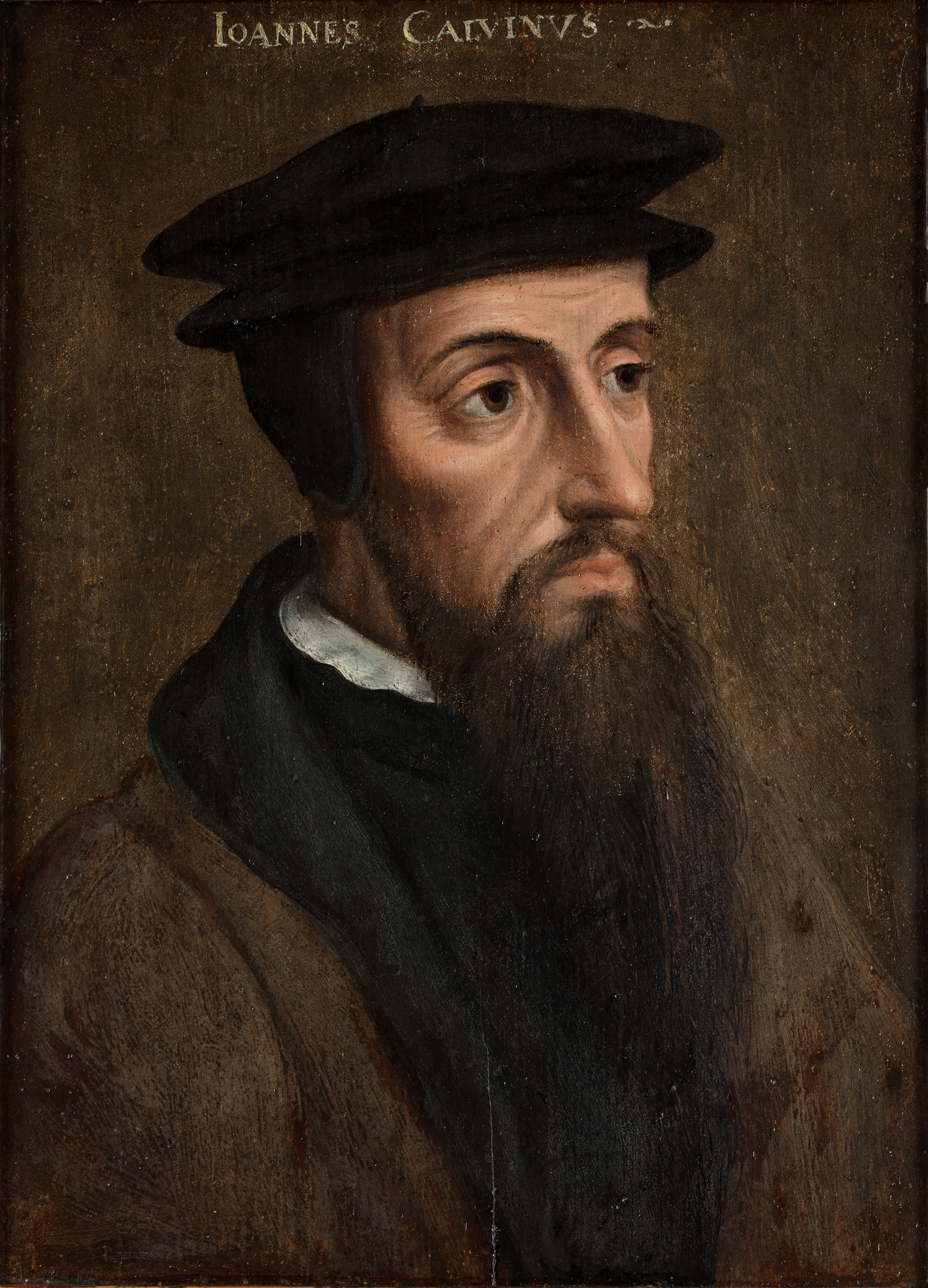
John Calvin
Intellectual Genesis and Early Reformation Engagement
John Calvin, born Jehan Cauvin in Noyon, France, on July 10, 1509, emerged as a towering intellect during the tumultuous era of the Protestant Reformation. Initially trained in humanism and law, Calvin experienced a profound religious conversion around 1530, leading him to break with the Roman Catholic Church. This shift propelled him into the heart of the burgeoning reform movement.
Facing persecution in France due to escalating religious violence against Protestants, Calvin sought refuge in Basel, Switzerland. It was here, in 1536, that he published the inaugural edition of his magnum opus, 'Institutes of the Christian Religion.' This systematic theological treatise, initially intended as a concise summary of Protestant beliefs for King Francis I, rapidly evolved into a comprehensive exposition of Reformed doctrine. Its clarity, logical structure, and defense of Reformation principles established Calvin as a leading theologian, even at the young age of 26.
The 'Institutes' would undergo numerous revisions and expansions throughout his life, becoming a foundational text for Protestantism.
The Genevan Crucible
In 1536, the same year his 'Institutes' was first published, Calvin was persuaded by William Farel to join the Reformation efforts in Geneva. He arrived with a vision to establish a reformed church and society. Calvin preached extensively and worked to implement new structures for church governance and worship.
However, his ambitious reforms met significant resistance from the Genevan city council, which sought to maintain its autonomy and control. This opposition led to the expulsion of both Calvin and Farel from Geneva in 1538. Calvin then accepted a position as minister to French refugees in Strasbourg, under the guidance of Martin Bucer.
During his time in Strasbourg, he further refined his ideas on church organization and liturgy, gaining valuable pastoral experience. Despite his absence, the situation in Geneva deteriorated, and the city's leaders eventually invited Calvin back in 1541, recognizing his indispensable leadership qualities and theological acumen. His return marked the beginning of a more sustained and impactful period of reform.
Theological Pillars
Calvin's theological system, often termed Calvinism, is characterized by several key doctrines that profoundly shaped Protestant thought. Central to his theology is the concept of God's absolute sovereignty – the belief that God is the ultimate ruler and cause of all things. This underpins his doctrine of predestination, the idea that God, from eternity, has elected certain individuals for salvation and others for damnation, independent of their merits.
While controversial, Calvin viewed this not as a license for idleness but as a call to live a life of piety and service, demonstrating gratitude for God's unmerited grace. Furthermore, Calvin placed immense authority on Scripture, viewing it as the inspired Word of God and the ultimate guide for faith and life. He was a prolific commentator, producing detailed expositions on nearly every book of the Bible, which became essential resources for pastors and scholars.
His emphasis on the authority of Scripture and the sovereignty of God provided a robust theological framework for the Reformation.
Geneva as a Model City and Lasting Impact
Upon his return in 1541, Calvin exerted significant influence in shaping Geneva into a model city for the Reformation. He introduced a new church order, the 'Ecclesiastical Ordinances,' which established a presbyterian system of governance with elders (presbyters) overseeing church affairs. He also reformed worship, emphasizing preaching and congregational singing of psalms.
This period was not without its severe challenges. The execution of Michael Servetus in 1553 for heresy, a decision supported by Calvin, remains a deeply controversial aspect of his legacy, highlighting the harsh realities of religious intolerance in the era. Nevertheless, Geneva became a refuge for persecuted Protestants from across Europe and a center for training reformers who disseminated Calvin's ideas globally.
Through his extensive writings, correspondence, and the establishment of the Genevan Academy, Calvin's influence extended far beyond Switzerland, shaping the development of Reformed, Presbyterian, and Congregational churches, and leaving an indelible mark on Western religious, political, and social thought.
Go deeper
Based on content from Wikipedia · Licensed under CC BY-SA 4.0