

The Bible: A Super Special Book!
Images
Bible
The Bible as a Library
The Bible is not a monolithic text but a complex anthology, a 'library' comprising 66 distinct books (in the Protestant canon) penned by an estimated 40 authors over a period spanning more than 1,500 years. This diverse collection includes historical narratives, legal codes, poetry, wisdom literature, prophetic oracles, and epistolary communications. The Old Testament, primarily written in Hebrew with significant portions in Aramaic, chronicles the history and covenant relationship of the Israelites with God, laying the theological groundwork for Judaism and Christianity.
The New Testament, composed in Koine Greek, focuses on the life, teachings, death, and resurrection of Jesus Christ, alongside the foundational doctrines and practices of the early Christian church. The process of canonization-determining which texts were authoritative-was a gradual, multi-century endeavor, involving consensus-building and theological discernment within ancient communities. This intricate formation process underscores the Bible's nature as a living tradition rather than a static document.
Historical Trajectory
The Bible's journey from its ancient origins to its current status as one of the world's most translated and influential books is a testament to its enduring power and the human drive to preserve and disseminate sacred knowledge. The earliest strata of biblical texts likely originated from oral traditions, gradually committed to writing by scribes and prophets. The compilation and arrangement of these texts into the recognized Old and New Testaments occurred over centuries, with significant councils and scholarly efforts shaping the final canon.
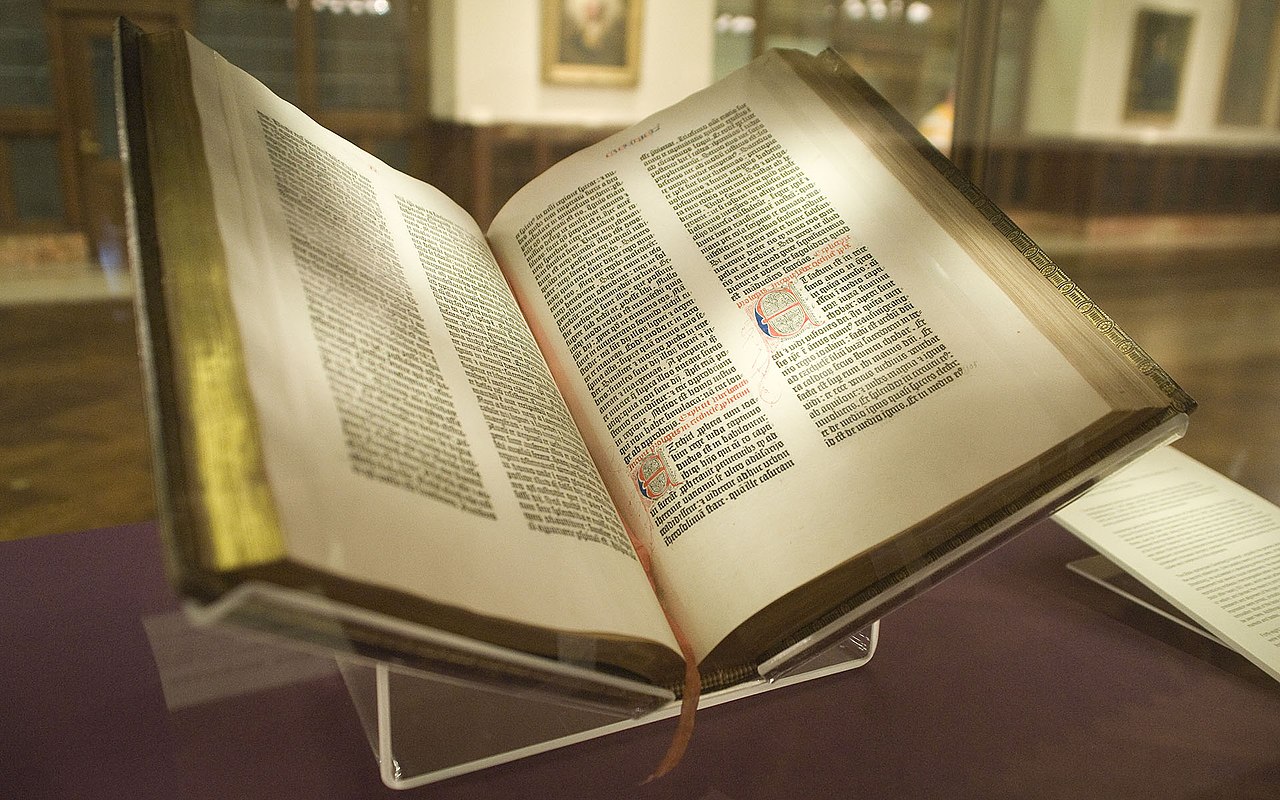
The advent of the printing press in the 15th century marked a pivotal moment, democratizing access to the scriptures and fueling religious movements like the Reformation. Subsequent centuries have witnessed continuous translation efforts, scholarly analysis, and diverse interpretive traditions, ensuring the Bible's ongoing relevance and engagement across myriad cultures and contexts, making it a truly global phenomenon.
The Enduring Significance
The Bible's profound significance lies in its multifaceted impact on religious belief, cultural development, and ethical discourse worldwide. For Christians and Jews, it is the divinely inspired Word of God, providing a roadmap for spiritual life, moral conduct, and understanding humanity's relationship with the divine. Its narratives, theological concepts (such as covenant, redemption, and salvation), and ethical teachings have profoundly shaped Western civilization, influencing legal systems, philosophical inquiry, artistic expression, and social justice movements.
The Bible grapples with perennial human questions concerning existence, suffering, morality, and hope, offering frameworks for meaning-making and personal transformation. Its continued study and interpretation by theologians, scholars, and laypeople alike demonstrate its persistent capacity to inspire, challenge, and guide individuals and societies through complex ethical and existential dilemmas.
Literary and Thematic Diversity
The Bible's literary richness is remarkable, encompassing a wide array of genres that reflect the breadth of human experience and divine revelation. It includes epic historical narratives detailing the formation of nations (e.g., Genesis, Exodus), intricate legal frameworks (e.g., Leviticus), lyrical poetry and contemplative wisdom (e.g., Psalms, Proverbs, Ecclesiastes), impassioned prophetic pronouncements addressing societal injustice and future hope (e.g., Isaiah, Jeremiah), and intimate biographical accounts of Jesus' life and ministry (the Gospels).
The epistles offer pastoral guidance and theological exposition to early Christian communities, while apocalyptic literature (e.g., Revelation) explores eschatological themes. This diverse literary landscape allows the Bible to speak to different aspects of the human condition, offering solace, challenge, instruction, and inspiration through its varied voices and perspectives, making it a dynamic and enduring source of reflection.
Go deeper
Frequently Asked Questions
What is the Bible?+
How many books are in the Bible?+
Why is the Bible important?+
When did people start printing the Bible?+
Where do the Bible stories come from?+
Based on content from Wikipedia · Licensed under CC BY-SA 4.0