

Johann Sebastian Bach
Images
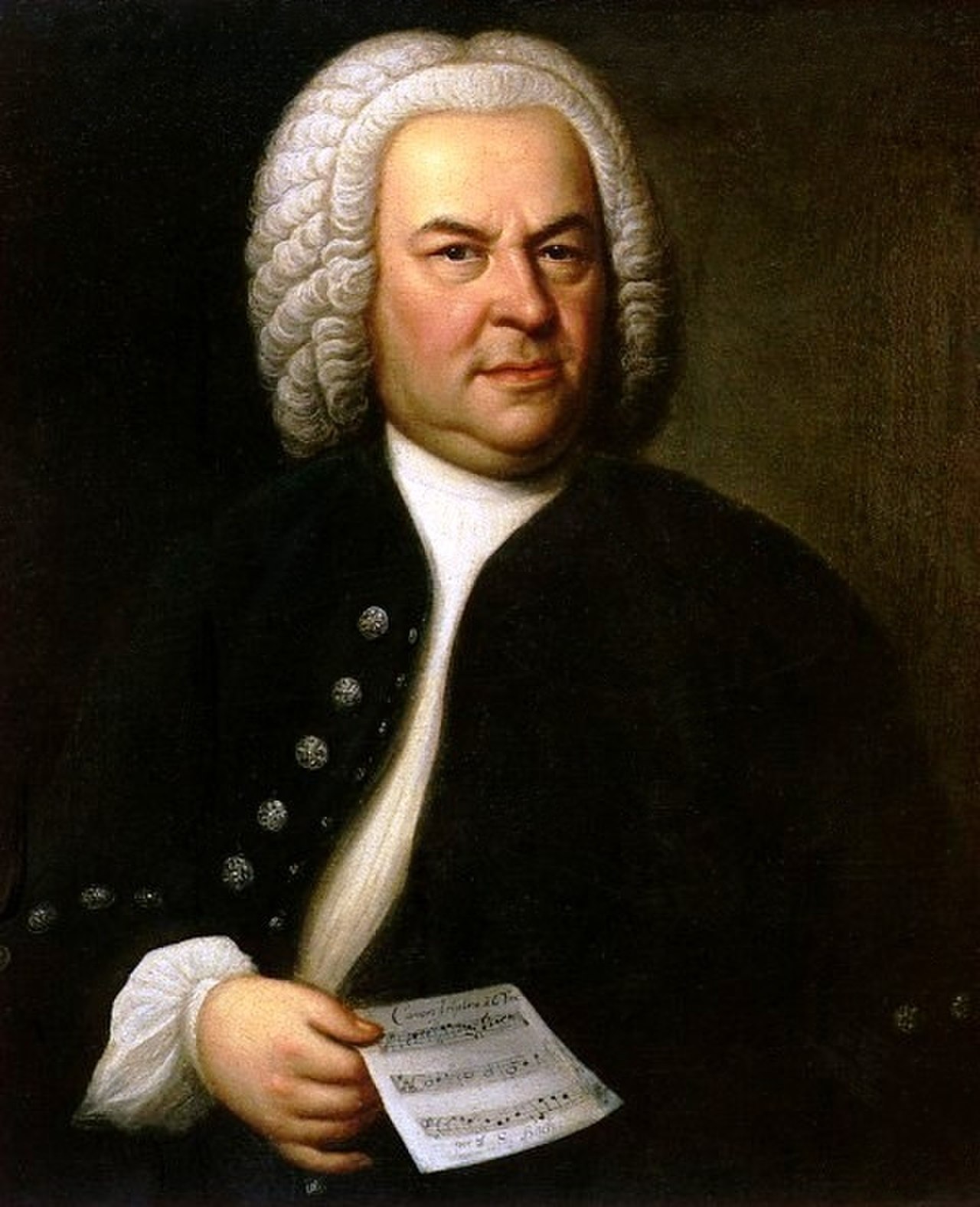
Johann Sebastian Bach
Genesis of a Musical Colossus
Johann Sebastian Bach (1685-1750) emerged from a rich musical lineage in Eisenach, Germany. His family, the Bachs, were renowned musicians for generations, instilling in him a deep immersion in musical traditions from his earliest years. Orphaned at ten, he continued his education under his elder brother, Johann Christoph, who exposed him to the keyboard works of masters like Pachelbel and Buxtehude.
Bach’s formative years were marked by relentless study and a voracious appetite for musical knowledge. His early positions as an organist in Arnstadt and Mühlhausen allowed him to hone his skills in improvisation and composition, particularly for the organ, a central instrument of his oeuvre. His visits to Lübeck to hear Buxtehude further solidified his understanding of organ technique and compositional forms, laying the groundwork for his later innovations.
The Weimar and Köthen Years
Bach's tenure in Weimar (1708-1717) was a period of significant organ music composition, including many preludes and fugues, and the development of his cantata writing. He began to explore more complex harmonic and contrapuntal structures. Following his departure from Weimar, Bach accepted a position at the court of Prince Leopold in Köthen (1717-1723).
This was a Calvinist court, where elaborate church music was less emphasized, allowing Bach to focus intensely on secular instrumental music. It was during this period that he composed many of his most famous instrumental works, including the Brandenburg Concertos, the first book of The Well-Tempered Clavier, and the suites and partitas for solo violin and cello suites. This phase was crucial in developing his mastery of chamber music and orchestral forms.
Leipzig
Bach's appointment as Thomaskantor in Leipzig in 1723 marked the longest and arguably most productive period of his career. He was responsible for the musical life of the city's four main churches, requiring him to compose a new cantata for almost every Sunday and feast day of the church year. This resulted in his monumental collections of sacred cantatas, showcasing his profound theological understanding and unparalleled ability to translate spiritual texts into powerful musical expression.
He also directed the Collegium Musicum, a student ensemble, for which he composed secular concertos and suites. Despite administrative challenges and conflicts with church and city officials, Bach continued to refine and expand his musical language, producing works like the St. John Passion, St.
Matthew Passion, and the Mass in B minor, which represent the pinnacle of Baroque sacred music.
Harmonic Mastery and Contrapuntal Architecture
Bach's compositional genius lies in his profound understanding and application of counterpoint and harmony. He elevated existing forms like the fugue and canon to unprecedented levels of complexity and expressiveness. His ability to interweave multiple melodic lines, each with its own distinct character, creates a rich sonic tapestry that is both intellectually stimulating and emotionally resonant.
He seamlessly integrated foreign stylistic elements, particularly from Italy and France, enriching the German musical tradition. His keyboard works, such as The Well-Tempered Clavier, systematically explored the possibilities of all major and minor keys, demonstrating a sophisticated understanding of tonal relationships. This meticulous organization and structural integrity are hallmarks of his style, making his music a subject of continuous study and admiration.
Enduring Influence and the Bach Revival
During his lifetime, Bach was primarily recognized as an exceptional organist and a master craftsman of sacred music. However, his broader compositional significance was not fully appreciated until the 19th century, spurred by figures like Felix Mendelssohn. The 'Bach Revival' led to the systematic publication and performance of his complete works, revealing the depth and breadth of his genius.
Today, Bach is universally regarded as one of the greatest composers in history. His music serves as a foundational text for Western classical music, influencing generations of composers from Mozart and Beethoven to contemporary artists. His works continue to be performed, recorded, and studied globally, a testament to their timeless artistic merit and profound human expression.
Go deeper
Based on content from Wikipedia · Licensed under CC BY-SA 4.0