

James Watt
Images
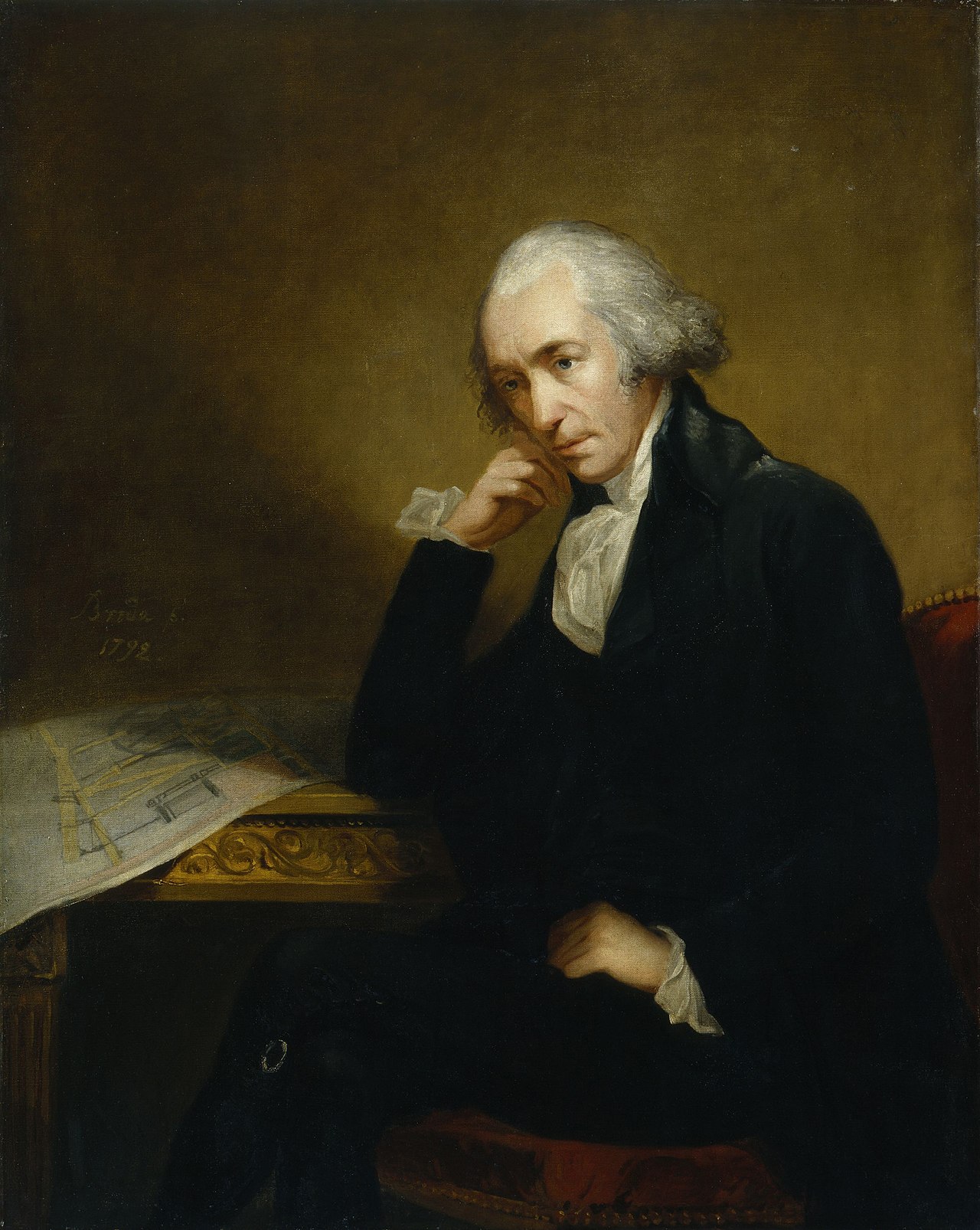
James Watt
The Genesis of Innovation
James Watt, born on January 30, 1736, in Greenock, Scotland, displayed an early aptitude for mechanics and mathematics. His professional life as an instrument maker at the University of Glasgow provided him with unique access to scientific apparatus and a keen understanding of existing technologies. It was during this period that Watt became intimately familiar with the Newcomen atmospheric engine, a rudimentary steam engine primarily used for pumping water out of mines.
While acknowledging its utility, Watt, like other contemporary engineers such as John Smeaton, recognized its severe limitations. The fundamental flaw, as Watt astutely identified, lay in the cyclical cooling and reheating of the main cylinder. This process wasted an enormous amount of energy, as heat was lost with each condensation and steam injection, severely limiting the engine's efficiency and power output.
Watt's intellectual journey was driven by a desire to overcome this inherent thermodynamic inefficiency, a challenge that would occupy him for years and ultimately redefine the capabilities of steam power.
The Separate Condenser and Beyond
Watt's most transformative contribution was the conceptualization and implementation of the separate condenser. By devising a mechanism to condense the steam in a chamber distinct from the main cylinder, Watt ensured that the cylinder could maintain a high temperature throughout the operational cycle. This ingenious solution drastically reduced the energy loss associated with repeated heating and cooling, leading to a monumental increase in efficiency.
His improved engine consumed significantly less fuel for the same amount of work, making steam power far more economical and practical. Watt didn't stop there; he further adapted his engine to produce rotary motion, a critical advancement that liberated steam power from its primary role of pumping. This adaptation allowed his engines to drive machinery directly, opening up a vast array of new applications in factories and workshops, and paving the way for mechanized production on an unprecedented scale.
His partnership with Matthew Boulton, formed in 1775, proved crucial for the commercialization and widespread adoption of these revolutionary machines.
Catalyst for the Industrial Revolution and Global Change
The Watt steam engine became the quintessential engine of the Industrial Revolution. Its enhanced power, efficiency, and versatility enabled the mechanization of industries that were previously limited by water or animal power. Factories could be built in locations away from rivers, leading to the rapid growth of industrial cities.
The ability to pump water more effectively allowed for deeper and more extensive mining operations, providing essential raw materials like coal and iron. Furthermore, Watt's engines laid the groundwork for advancements in transportation, eventually leading to steam-powered locomotives and ships that revolutionized travel and trade. The global impact was profound, facilitating mass production, economic expansion, and the interconnectedness of nations, fundamentally reshaping societies and economies worldwide.
A Lasting Legacy
James Watt's legacy extends far beyond his engineering achievements. He introduced the concept of 'horsepower' as a unit of measurement, providing a standardized way to quantify the power of engines and compare them to the familiar strength of horses. This conceptual framework was vital for the commercialization and understanding of his inventions.
In recognition of his monumental contributions to science and engineering, the SI unit of power, the 'watt,' was named in his honor. This ubiquitous unit, used globally to measure electrical power and energy consumption, serves as a constant testament to Watt's genius. His work not only powered the Industrial Revolution but also established fundamental principles in thermodynamics and mechanical engineering that continue to influence technological development today, solidifying his place as one of history's most impactful inventors.
Go deeper
Based on content from Wikipedia · Licensed under CC BY-SA 4.0