

Jalen Green
Images

KPJ (cropped)






The Unconventional Path
Jalen Green's trajectory in professional basketball is a compelling narrative of defying traditional routes. As a consensus five-star recruit, he was universally recognized as one of the top talents in his high school graduating class, with ESPN placing him at the pinnacle as the number one overall prospect. This level of acclaim typically signals a future in NCAA Division I basketball.
However, Green opted for a groundbreaking alternative: joining the inaugural season of the NBA G League Ignite program. This decision was significant because it represented a shift in how elite prospects could prepare for the NBA. Instead of the collegiate system, the Ignite program offered a professional environment with high-level coaching and competition, allowing players to earn a salary and hone their skills directly for the pro game.
Green's choice was a bold statement, influencing subsequent generations of players to consider non-traditional pathways to professional basketball, prioritizing immediate professional development and financial independence.
A Legacy Forged in International Competition
Green's early career was marked by exceptional success on the international stage, foreshadowing his professional potential. He was a cornerstone for the United States junior national teams, contributing to three gold medal victories. His individual brilliance was particularly highlighted at the 2018 FIBA Under-17 World Cup, where he was named the Most Valuable Player (MVP).
This honor is reserved for the most outstanding player in a global tournament featuring the best young talent from around the world. Winning MVP at this level is a profound indicator of a player's skill, leadership, and ability to perform under immense pressure. These international triumphs not only bolstered his resume but also provided invaluable experience in high-stakes competition, shaping him into the player he is today and demonstrating a consistent ability to excel against elite global competition.
Draft Day Impact and Immediate NBA Influence
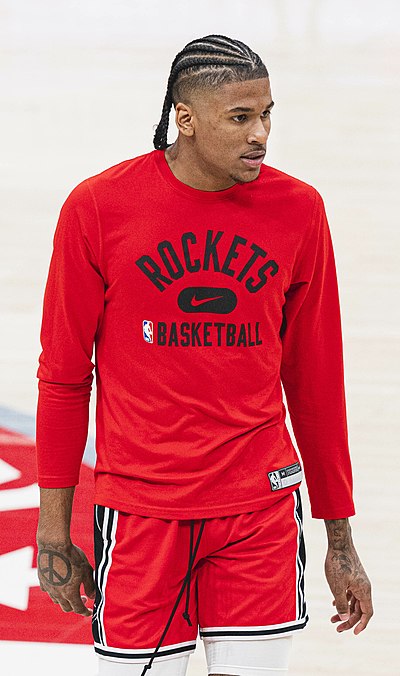
The anticipation surrounding Jalen Green's entry into the NBA was palpable. His selection as the second overall pick in the 2021 NBA draft by the Houston Rockets underscored the immense expectations placed upon him. This high draft position signifies a team's belief in his potential to become a franchise cornerstone.
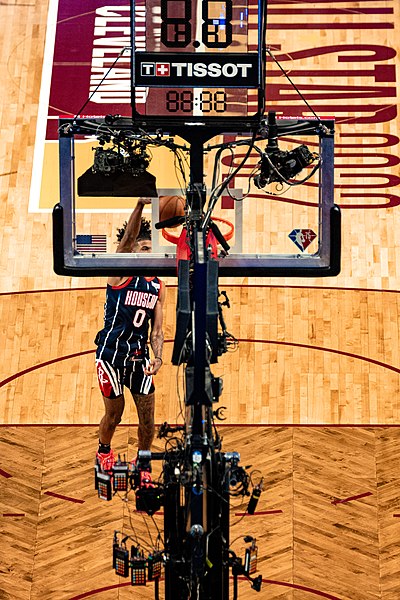
From his rookie season, Green has showcased his dynamic offensive capabilities, particularly his scoring prowess and athleticism. He has quickly become a focal point for the Rockets, demonstrating an ability to create his own shot and contribute significantly to the team's offense. His performances have generated considerable excitement among fans and analysts alike, solidifying his status as one of the league's most promising young stars and a key figure in the Rockets' rebuilding efforts.
Cultural Significance and Global Representation
Beyond his on-court achievements, Jalen Green holds a significant place in basketball's global landscape due to his Filipino heritage. He is the third player of Filipino descent to play in the NBA, following in the footsteps of pioneers like Raymond Townsend and Jordan Clarkson. This connection resonates deeply with the vast and passionate Filipino basketball community worldwide.
His presence in the league serves as a powerful symbol of representation, inspiring young Filipino athletes and fostering a stronger connection between the Philippines and the NBA. Green's success transcends individual accomplishment; it represents a broader narrative of diversity in sports and the increasing global reach of basketball, making him a cultural ambassador as much as a star player.
See also
Frequently Asked Questions
What is Jalen Green known for in basketball?+
Why did Jalen Green skip college and join the NBA G League Ignite?+
How did Jalen Green perform in international competitions?+
Where does Jalen Green come from and why is that special?+
What makes Jalen Green a key player for the Houston Rockets?+
Based on content from Wikipedia · Licensed under CC BY-SA 4.0