

İzmir
Images

Skyscrapers in Izmir - Turkey


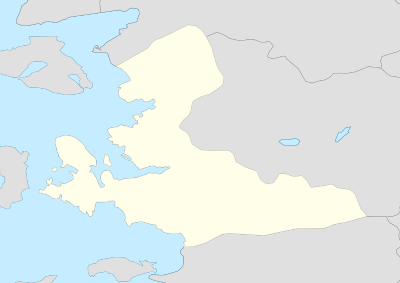


Geopolitical and Environmental Landscape of İzmir
İzmir, Turkey's third most populous city, is strategically positioned on the western Anatolian coast, commanding the deep indentation of the Gulf of İzmir. This prime location has historically facilitated its role as a major port and commercial center. The city's topography is varied, encompassing the fertile alluvial plains created by several small streams and the broader Gediz River Delta to the north, which provides significant agricultural and ecological value.
To the south, the terrain becomes more undulating, offering scenic vistas and different microclimates. The prevailing Mediterranean climate, with its distinct wet winters and dry, warm summers, influences the region's flora, fauna, and agricultural output, making it ideal for viticulture and olive cultivation. This geographical advantage has been a cornerstone of İzmir's enduring prosperity and influence throughout its long history.
Echoes of Antiquity
İzmir's historical tapestry is exceptionally rich, with urban settlements dating back as far as the Neolithic period, approximately 8,500 years ago. Its recorded urban history spans over three millennia, during which it was known as Smyrna. This ancient name persisted in international usage until the early 20th century, reflecting its deep Hellenistic and Roman roots.
Smyrna was a vital Aegean metropolis, a center of trade, culture, and philosophy. Its advantageous position at the head of a gulf made it a natural hub for maritime commerce, connecting Anatolia with the wider Mediterranean world. The city has witnessed numerous empires and cultural shifts, each leaving an indelible mark on its architecture, traditions, and identity, making it a living museum of human civilization.
Demographics and Cultural Synthesis in Modern İzmir
With a metropolitan population of around 3.3 million and a provincial population exceeding 4.4 million, İzmir is a significant demographic and economic force in Turkey. Historically, the city was characterized by a remarkable ethnic and religious diversity, notably a large Greek population prior to the 1923 population exchange. This historical confluence of cultures has shaped İzmir's unique social fabric, contributing to its reputation for tolerance and cosmopolitanism.
Today, İzmir is a modern, dynamic city that embraces its multicultural heritage while forging a distinct Turkish identity. It is known for its progressive outlook, vibrant arts scene, and the annual İzmir International Fair, which serves as a major platform for showcasing national and international economic, cultural, and artistic achievements.
Economic Powerhouse
İzmir's economy is robust, driven by its historical role as a premier Mediterranean port and its modern industrial and service sectors. The city remains a critical node for international trade, facilitating the export of Turkish goods and the import of essential commodities. Beyond its port functions, İzmir has developed significant manufacturing capabilities, particularly in textiles, automotive parts, and food processing.
The presence of multiple universities is a testament to its commitment to higher education and research, fostering a skilled workforce and driving innovation across various fields. This dual focus on established trade routes and forward-looking educational and industrial development positions İzmir as a key player in Turkey's national economy and a competitive entity on the global stage.
The Pillars of Governance and Education in İzmir
As the capital of İzmir Province, the city operates under Turkey's republican governmental structure, with a mayor and municipal council responsible for local administration and public services. This system ensures that urban planning, infrastructure development, and social welfare initiatives are managed to serve the large and diverse population. Education is a cornerstone of İzmir's societal development.
The city hosts numerous universities, including Ege University and Dokuz Eylül University, which are major centers for academic research, technological advancement, and professional training. These institutions not only contribute to the intellectual capital of the region but also play a vital role in shaping the future workforce and fostering a culture of lifelong learning among its citizens, reinforcing İzmir's status as a progressive and educated metropolis.
See also
Frequently Asked Questions
What is İzmir known for?+
Why was İzmir once called Smyrna?+
How does İzmir’s climate help farmers?+
Where is İzmir located in Turkey?+
What can kids do in İzmir today?+
Based on content from Wikipedia · Licensed under CC BY-SA 4.0