

Isle of Wight
Images

SANDOWN PIER. ISLE OF WIGHT. UK.




Geographical Significance and Natural Heritage
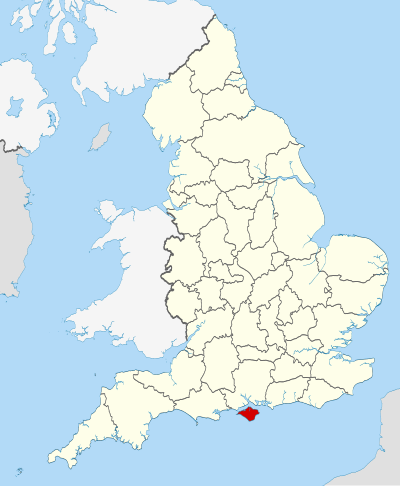
The Isle of Wight occupies a unique geographical position off the south coast of England, forming a distinct ceremonial county. Its separation from the mainland by the Solent strait has historically influenced its defensive capabilities and its development as an island community. With a land area of 380 km², it is England's largest island.
The island is celebrated for its mild climate, often cited as the sunniest part of Great Britain, contributing to its verdant landscape of downland, fields, and dramatic coastal chines. This rich natural environment has earned it designation as a UNESCO Biosphere Reserve, underscoring its ecological value and the commitment to sustainable coexistence between human activities and nature. The proximity to the mainland, ranging from 2 to 5 miles, facilitates transport while maintaining a distinct island identity.
A Tapestry of Time
The island's history is remarkably deep, stretching back to the prehistoric era, evidenced by abundant dinosaur fossils discovered across its strata, making it a globally significant paleontological site. Over millennia, it has been a strategic outpost, playing a crucial role in the defense of major ports like Southampton and Portsmouth, having weathered invasions and conflicts, including the Spanish Armada and the Battle of Britain.
The Victorian era marked a significant transformation, as the island evolved into a premier tourist destination. This period saw the construction of Queen Victoria's beloved summer residence, Osborne House, at East Cowes, cementing the island's status as a fashionable retreat for the elite and royalty, attracting poets like Alfred, Lord Tennyson and Algernon Charles Swinburne.
Industrial Prowess and Maritime Innovation
The Isle of Wight possesses a robust industrial and maritime tradition that has significantly contributed to technological advancements. Historically, it has been a center for boat-building and sail-making, reflecting its deep connection to the sea. More recently, the island has been at the forefront of innovative manufacturing, including the production of flying boats, hovercrafts, and even space rockets.
This legacy of engineering excellence continues, with modern industries focusing on marine technology and advanced manufacturing. The island's unique environment and its historical role in defense and transport have fostered a culture of ingenuity and resilience among its inhabitants.
Governance, Culture, and Modern Identity
For administrative purposes, the Isle of Wight functions as a unitary authority, granting it a degree of autonomy in local governance, a departure from its historical ties to Hampshire. Its largest settlement is Ryde, while Newport serves as the administrative capital. The island's culture is a vibrant blend of its historical influences and contemporary life.
It is renowned for hosting major annual music festivals, most notably the Isle of Wight Festival, which achieved legendary status with its 1970 event, one of the largest rock music gatherings in history. This cultural dynamism, combined with its stunning natural beauty and ongoing industrial relevance, shapes the island's unique identity and its appeal as both a residential area and a tourist destination.
Educational Landscape and Future Trajectory
The educational system on the Isle of Wight mirrors that of mainland England, providing a comprehensive range of schooling from early years to secondary education. The island hosts numerous primary and secondary schools, catering to the needs of its resident population. Further education and vocational training opportunities are available, often with a focus on the island's key industries, such as marine engineering, tourism, and creative arts.
The designation as a UNESCO Biosphere Reserve also presents unique educational opportunities, encouraging research and learning focused on environmental science, conservation, and sustainable development. This educational framework aims to equip the island's youth with the skills necessary to thrive within its specific economic and environmental context, fostering future innovators and custodians of its unique heritage.
See also
Frequently Asked Questions
What is the Isle of Wight?+
Why is the Isle of Wight called the sunniest part of Great Britain?+
How did the Isle of Wight become a place for dinosaurs?+
Where is Osborne House and why is it special?+
What kind of festivals does the Isle of Wight host?+
Based on content from Wikipedia · Licensed under CC BY-SA 4.0