

Your Body's Amazing Shield!
Images
Immune system
The Architecture of Innate and Adaptive Immunity
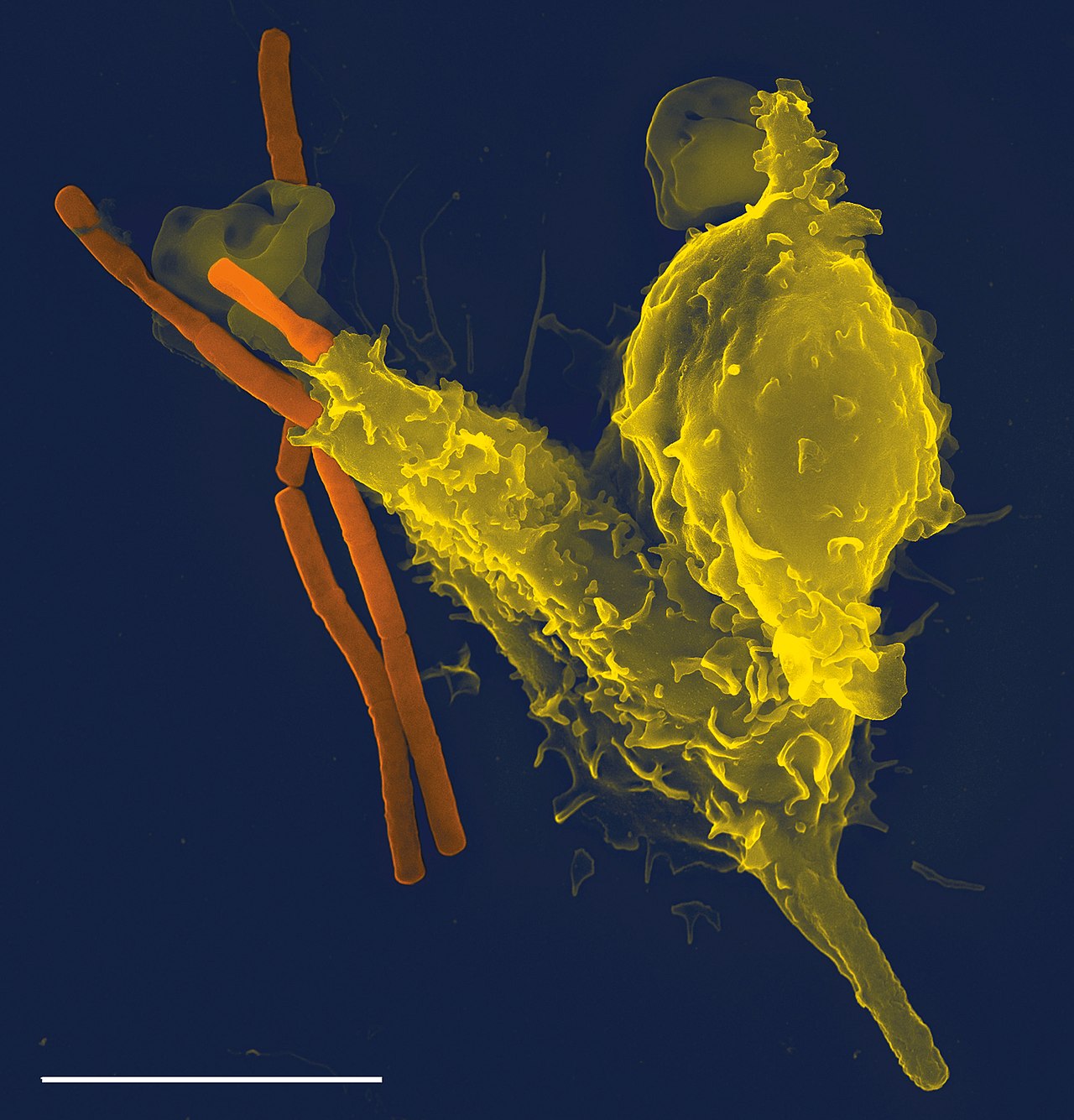
The immune system is a marvel of biological engineering, broadly divided into two interconnected arms: innate and adaptive immunity. Innate immunity represents the body's rapid, non-specific defense. It comprises physical barriers like the skin and mucous membranes, chemical defenses such as lysozyme in tears and saliva, and cellular components like phagocytes (macrophages, neutrophils) and natural killer (NK) cells.
These cells recognize conserved molecular patterns on pathogens, known as PAMPs (Pathogen-Associated Molecular Patterns), triggering immediate inflammatory responses and pathogen clearance. In contrast, adaptive immunity is characterized by its specificity, diversity, memory, and self-tolerance. It is mediated by lymphocytes, primarily T cells and B cells.
B cells produce antibodies that neutralize extracellular pathogens and mark them for destruction. T cells include helper T cells (CD4+), which orchestrate immune responses by activating other immune cells, and cytotoxic T cells (CD8+), which directly kill infected cells or tumor cells. The adaptive system's ability to generate immunological memory is fundamental to long-term protection and the efficacy of vaccines.
Evolutionary Roots and Historical Milestones
The immune system's fundamental mechanisms are ancient, with components shared across the animal kingdom, reflecting its critical role in survival. Early multicellular organisms developed primitive defense mechanisms against microbial threats. The evolution of vertebrates saw the development of more complex adaptive immune systems, including the emergence of lymphocytes and antibodies, allowing for highly specific and adaptable responses.
Historically, human understanding of immunity progressed from empirical observations to scientific inquiry. Ancient Greek physicians noted that individuals who recovered from plague were protected from future infections. The development of variolation and later vaccination by Edward Jenner in the late 18th century marked a pivotal moment, demonstrating the principle of acquired immunity. The 19th and 20th centuries witnessed groundbreaking discoveries by scientists like Pasteur, Koch, Metchnikoff, and Burnet, who elucidated the germ theory of disease, identified key immune cells and processes, and established the foundations of immunology as a distinct scientific discipline.
The Indispensable Role in Health Maintenance and Disease Prevention
The immune system's importance cannot be overstated; it is the cornerstone of health and survival. It constantly surveys the body, identifying and eliminating a vast array of threats, from transient viral infections to persistent bacterial colonies. Beyond fighting pathogens, it plays a crucial role in tissue repair and regeneration after injury.
Furthermore, it is essential for preventing the development of cancer by recognizing and destroying precancerous cells through immunosurveillance. Dysregulation of the immune system can lead to a spectrum of debilitating conditions, including autoimmune diseases (where the immune system mistakenly attacks the body's own tissues, like rheumatoid arthritis or lupus), immunodeficiency disorders (where the immune system is weakened, making individuals highly susceptible to infections, such as HIV/AIDS), and allergies (exaggerated responses to otherwise harmless substances).
Maintaining immune homeostasis is therefore paramount for overall well-being.
Mechanisms of Immune Surveillance and Response
Immune surveillance involves a continuous monitoring process. Antigen-presenting cells (APCs), such as dendritic cells and macrophages, capture antigens from pathogens or cellular debris and migrate to lymph nodes. Here, they present these antigens to naive T cells, initiating the adaptive immune response. Helper T cells (Th cells) differentiate into various subsets (e.g., Th1, Th2, Th17) that tailor the immune response to specific types of pathogens.
Th1 cells are crucial for combating intracellular pathogens like viruses and bacteria, while Th2 cells are important for fighting extracellular parasites and are involved in allergic responses. Cytotoxic T lymphocytes (CTLs) recognize viral or tumor antigens presented on MHC class I molecules and induce apoptosis in target cells. B cells, upon activation by T helper cells and antigen, differentiate into plasma cells that secrete antibodies.
These antibodies can neutralize toxins, block pathogen entry into cells, and opsonize pathogens for phagocytosis. The intricate interplay between these cells and signaling molecules (cytokines) ensures a coordinated and effective defense.
Immunological Memory and Therapeutic Applications
A defining feature of adaptive immunity is its capacity for memory. Following an initial encounter with an antigen, a subset of lymphocytes differentiates into long-lived memory cells. Upon subsequent exposure to the same antigen, these memory cells mount a faster, stronger, and more effective secondary immune response.
This principle underpins the success of vaccination, where attenuated or inactivated pathogens, or specific antigens, are introduced to induce protective memory without causing disease. Modern immunology also leverages immune system knowledge for therapeutic interventions. Immunotherapies, such as checkpoint inhibitors, harness the body's own immune system to fight cancer by releasing the brakes on T cell activity.
Furthermore, research into stem cell transplantation and gene therapy aims to correct immune deficiencies or engineer immune cells for therapeutic purposes, highlighting the dynamic and evolving relationship between humans and their internal defense systems.
Go deeper
Based on content from Wikipedia · Licensed under CC BY-SA 4.0