

Igloo: Cozy Snow Houses!
Images
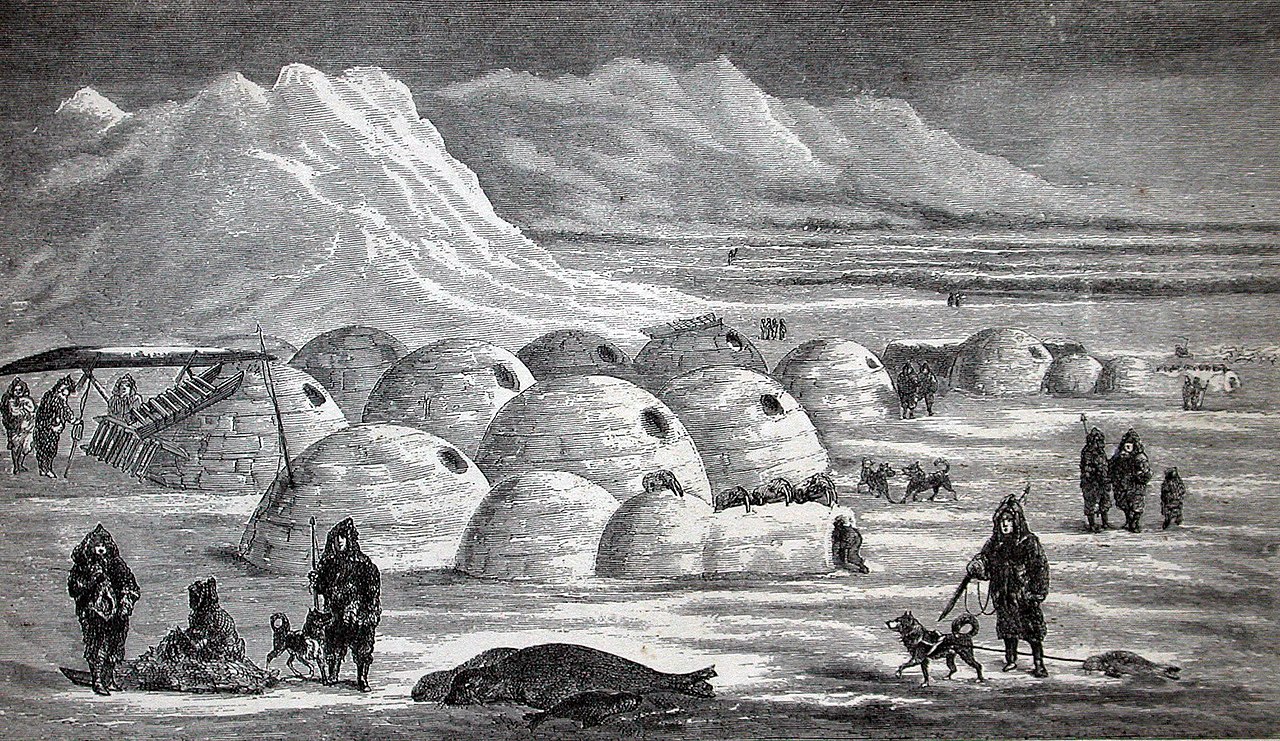
Igloo
The Engineering of Arctic Dwellings
The igloo, a traditional dwelling of the Inuit and other Arctic peoples, is a sophisticated example of vernacular architecture, demonstrating an profound understanding of material science and environmental adaptation. Constructed from blocks of densely packed snow, typically harvested from snowdrifts shaped by prevailing winds, the igloo's structural integrity relies on precise cutting and stacking techniques. The characteristic dome shape is not merely aesthetic; it distributes weight evenly, allowing for a self-supporting structure that can withstand significant external pressure from snow accumulation and wind.
The construction process often involves a spiral arrangement of blocks, with the first few blocks cut from a circular base, and subsequent blocks angled inward. The entrance is strategically designed to be lower than the interior floor level, creating a cold trap that prevents warm air from escaping and cold air from entering. This passive thermal regulation, combined with the insulating properties of snow, allows the interior temperature to rise significantly above the ambient external temperature, often reaching 0°C (32°F) or higher, even when outside temperatures plummet to -40°C (-40°F) or below.
The use of a seal-oil lamp (qulliq) further contributes to interior warmth and can even cause the inner surface to melt and refreeze into a smooth, ice-like layer, enhancing structural stability and reducing air permeability.
A Legacy of Resilience and Culture
The historical significance of the igloo is deeply intertwined with the survival and cultural practices of Arctic indigenous populations. For millennia, igloos served as essential temporary shelters, particularly during winter months when hunting expeditions or travel necessitated robust, portable dwellings. Their construction was a vital skill, enabling families and hunting groups to endure the harsh Arctic climate, offering protection from extreme cold, blizzards, and wildlife.
While not typically permanent residences in the modern sense, igloos were crucial for nomadic or semi-nomadic lifestyles, providing a safe and relatively warm base for extended periods. The knowledge of igloo construction was passed down through oral tradition, embodying a deep connection to the land and its resources. The igloo represents a remarkable adaptation to an environment that offers few natural building materials, showcasing human ingenuity in utilizing snow as a primary construction medium.
Its cultural importance extends beyond mere shelter, symbolizing resilience, community cooperation, and a profound respect for the natural world.
Thermal Dynamics and Material Properties
The remarkable thermal performance of an igloo is a direct consequence of the physical properties of snow and intelligent design. Snow, particularly wind-packed snow, is an excellent insulator due to its porous structure. The myriad of tiny air pockets trapped within the ice crystals significantly impedes heat transfer through conduction.
When the internal heat generated by occupants and a heat source like a qulliq warms the interior, this warmth is retained by the snow walls. The process of slight melting and refreezing on the interior surface, creating an ice layer, further enhances insulation by reducing air infiltration and increasing the thermal mass of the structure. This layer also provides a smoother, more durable interior surface.
The shape of the igloo plays a crucial role in this thermal regulation. The dome's curvature minimizes surface area relative to volume, reducing heat loss. Furthermore, the cold trap effect created by the low entrance and potential tunnel ensures that denser, colder air remains outside or at the lowest point, while warmer air accumulates in the upper living space.
This sophisticated interplay of material science, structural engineering, and environmental awareness makes the igloo a prime example of sustainable and effective architecture in extreme conditions.
Contemporary Relevance and Cultural Preservation
While modern housing solutions have become prevalent in many Arctic communities, the igloo continues to hold significant cultural and symbolic value. It serves as a tangible link to ancestral traditions and a reminder of the resourcefulness and resilience of Arctic peoples. In contemporary contexts, igloos are sometimes built for educational purposes, cultural demonstrations, or as a way to connect younger generations with their heritage.
Moreover, the principles of passive solar design and natural insulation embodied by the igloo offer valuable lessons for modern sustainable architecture, particularly in cold climates. The igloo's ability to create a comfortable microclimate using readily available natural materials highlights the potential for innovative, low-impact building strategies. Efforts to preserve and share the knowledge of igloo construction are vital for maintaining cultural identity and promoting a deeper understanding of the unique relationship between Arctic peoples and their environment.
The igloo stands not just as a historical dwelling but as an enduring symbol of human adaptability and ingenuity.
Go deeper
Frequently Asked Questions
What is an igloo?+
How does an igloo stay warm?+
Why do igloos have a dome shape?+
How do people build an igloo?+
What is the purpose of the seal‑oil lamp (qulliq) inside an igloo?+
Based on content from Wikipedia · Licensed under CC BY-SA 4.0