

Hospital Ship
Images

Nursing sisters on board a hospital ship



The Strategic Imperative of Maritime Medical Platforms
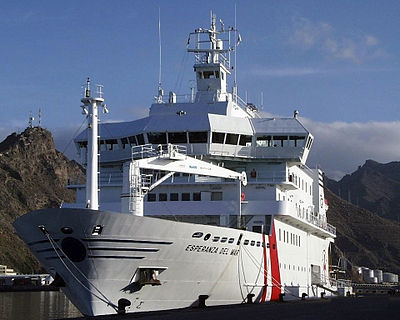
Hospital ships represent a sophisticated integration of naval power and humanitarian medical capability. Their primary designation as floating hospitals underscores their critical role in providing advanced medical treatment far from terrestrial infrastructure. Predominantly operated by national navies, these vessels are strategically deployed to support military operations, offering essential medical services to combatants in proximity to conflict zones.
However, their utility extends far beyond military theaters. They serve as indispensable assets in disaster relief, capable of reaching areas devastated by natural calamities where conventional medical facilities are destroyed or inaccessible. The sheer scale of these ships allows for comprehensive medical services, including surgical suites, intensive care units, diagnostic imaging, and extensive patient wards, often staffed by hundreds of medical professionals.
Their mobility is their greatest strength, enabling rapid response and sustained presence in diverse global environments, from remote archipelagos to crisis-stricken coastlines, thereby fulfilling a vital nexus of defense and humanitarian aid.
Evolution of Maritime Medicine
The historical trajectory of hospital ships reveals a significant evolution in maritime medical support. In the 19th century, the practice involved repurposing decommissioned warships as static, moored hospitals for seamen. These early iterations, while rudimentary by modern standards, established the foundational concept of leveraging naval assets for healthcare.
The transition to dedicated, mobile hospital ships marked a paradigm shift, driven by advancements in naval architecture, medical technology, and international humanitarian law. The development of purpose-built hospital ships reflects a growing recognition of their strategic importance not only for military readiness but also for global health security. These modern vessels are designed with redundancy, advanced life support systems, and the capacity to operate independently for extended periods, embodying a sophisticated blend of engineering prowess and medical expertise honed over centuries of maritime experience.
The Legal and Ethical Framework Governing Hospital Ships
The operational integrity of hospital ships is underpinned by robust international legal protections, most notably enshrined in the Second Geneva Convention of 1949. This convention explicitly prohibits direct attacks on hospital ships that meet stringent criteria, classifying them as protected medical establishments. This legal status is paramount, allowing them to operate with a degree of safety in volatile environments.
While these protections are comprehensive, they are not absolute. Belligerent forces retain the right to inspect hospital ships to ensure they are not being used for military purposes. During such inspections, they may take patients as prisoners of war, but crucially, they are forbidden from detaining or capturing the medical personnel or the ship's crew.
This delicate balance between protection and inspection ensures that the humanitarian mission can proceed while also upholding the principles of international law during armed conflict.
Operational Dynamics and Capabilities of Modern Hospital Ships
The operational capabilities of contemporary hospital ships are extensive, mirroring those of large land-based medical centers. These vessels are equipped with advanced diagnostic tools, including X-ray machines and CT scanners, alongside fully functional operating theaters capable of performing complex surgeries. They house extensive pharmacies, laboratories for testing, and specialized units for critical care, burns, and rehabilitation.
The logistical challenges of operating a hospital at sea are immense, requiring sophisticated systems for power generation, water purification, waste management, and medical supply chain logistics. Furthermore, their design often incorporates features that facilitate rapid patient transfer, such as helipads for air evacuation and specialized docking facilities for smaller medical craft. This comprehensive infrastructure allows hospital ships to provide a full spectrum of medical care, acting as mobile medical sanctuaries that can be deployed globally to address diverse health crises, from battlefield injuries to pandemic response.
Case Studies and Contemporary Relevance
The enduring relevance of hospital ships is demonstrated through numerous real-world deployments. Historically, vessels like the US Navy's Mercy and Comfort classes have been instrumental in providing humanitarian assistance following major natural disasters, such as earthquakes in Haiti and tsunamis in Southeast Asia. During military operations, they offer a critical medical support network, reducing the burden on land-based facilities and ensuring timely care for wounded personnel.
In recent times, hospital ships have also been considered and utilized in response to global health emergencies, such as the COVID-19 pandemic, where they provided surge capacity for patient care and medical personnel. Their ability to project medical power and humanitarian aid makes them invaluable tools in both peacetime and conflict, highlighting their continued significance in international relations and global health initiatives.
See also
Based on content from Wikipedia · Licensed under CC BY-SA 4.0