

Hospital
Images
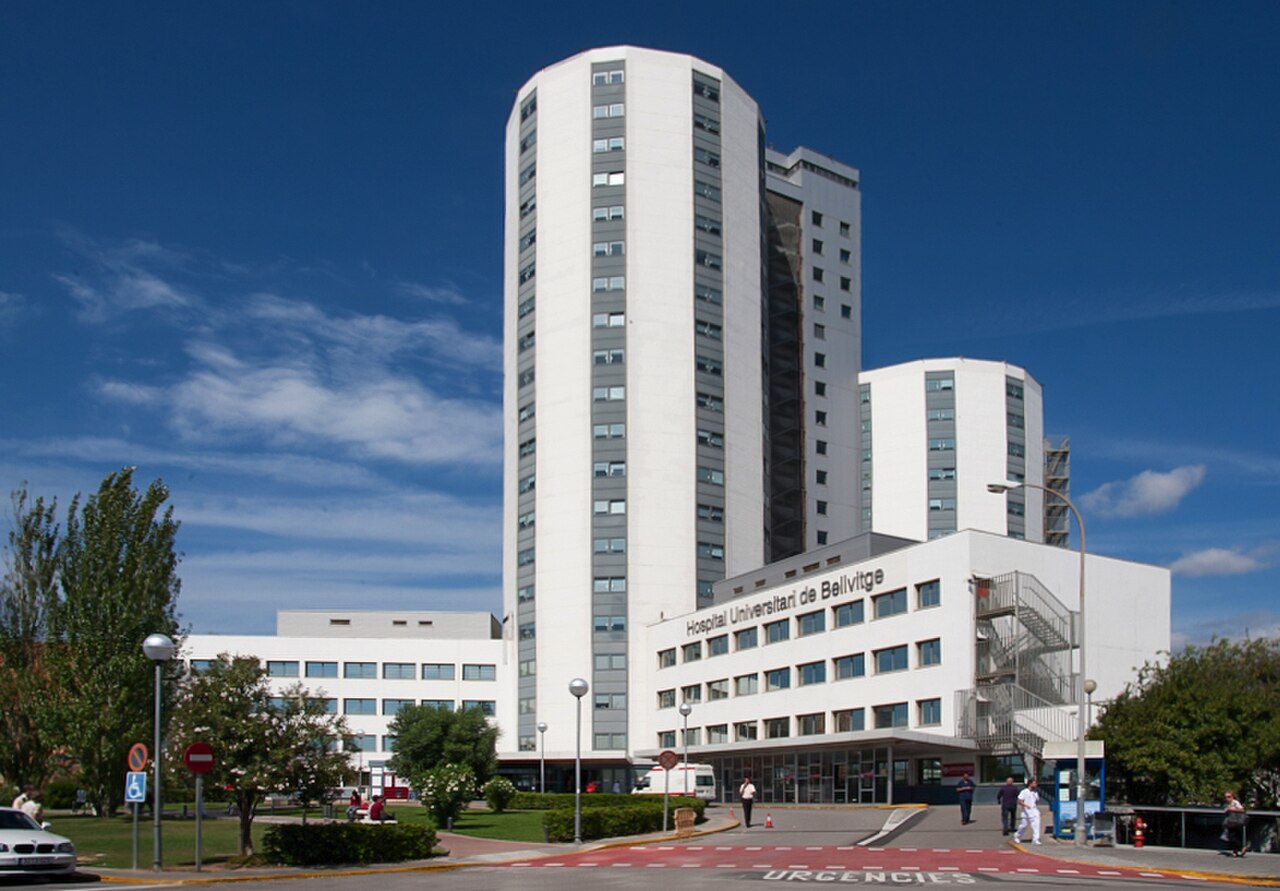
Hospital
The Evolutionary Trajectory of Healthcare Sanctuaries
The genesis of the hospital can be traced to ancient civilizations, where rudimentary forms of care were often integrated with religious or military structures. The Greek Asclepieia and Roman valetudinaria represent early attempts at organized medical provision. However, the modern hospital paradigm truly began to coalesce in the medieval period with the establishment of charitable institutions, often managed by religious orders, which provided shelter and basic care for the destitute and infirm.
The Enlightenment and subsequent scientific revolutions spurred a transformation, shifting hospitals from mere hospices to centers of medical learning and practice. The development of germ theory, anesthesia, and aseptic techniques in the 19th century revolutionized surgical capabilities and patient outcomes, paving the way for the specialized, technology-rich institutions we recognize today. This historical arc reflects a continuous societal commitment to mitigating suffering and advancing human health through collective effort and scientific inquiry.
The Complex Interplay of Roles within a Hospital
A hospital is a microcosm of society, characterized by a highly specialized and interdependent workforce. Beyond the physicians and nurses who form the clinical frontline, a vast array of professionals contribute to its operational efficacy. This includes diagnostic imaging technicians, laboratory scientists, physical and occupational therapists, respiratory therapists, pharmacists, and social workers, each playing a crucial role in patient diagnosis, treatment, and rehabilitation.
Furthermore, the logistical and administrative backbone-comprising hospital administrators, IT specialists, environmental services personnel, and food service staff-ensures the facility's safety, efficiency, and hygiene. This intricate web of human capital, operating within a framework of established protocols and ethical guidelines, is essential for delivering comprehensive, patient-centered care and maintaining the hospital's function as a resilient healthcare provider.
Hospitals as Cornerstones of Public Health and Societal Infrastructure
Hospitals are far more than just places for treating illness; they are fundamental components of a nation's public health infrastructure and a measure of its societal resilience. They serve as the primary response mechanism for public health crises, from pandemics to natural disasters, providing essential acute care and surge capacity. Moreover, hospitals are indispensable for managing the burden of chronic diseases, offering specialized interventions, and facilitating preventative care programs.
As hubs for medical research and education, they drive innovation, develop new therapeutic strategies, and train the healthcare workforce, thereby shaping the future of medicine. The accessibility, quality, and scope of hospital services directly correlate with population health indicators, such as life expectancy and infant mortality rates, underscoring their critical role in promoting societal well-being and economic stability.
Operational Dynamics
The operational flow within a hospital is a meticulously managed process designed for optimal patient care and resource utilization. Patient journeys typically begin with admission, either through the Emergency Department for acute conditions or via scheduled appointments for elective procedures or consultations. Upon admission, patients are assigned to specialized units-such as medical-surgical floors, intensive care units (ICUs), or critical care units (CCUs)-tailored to their specific medical needs.
Diagnostic pathways involve a suite of technologies, including advanced imaging (MRI, CT, PET scans), laboratory analysis, and physiological monitoring, to inform clinical decision-making. Treatment modalities encompass pharmacotherapy, surgical interventions performed in highly sterile operating theaters, and rehabilitative therapies. Post-treatment, patients may transition to step-down units or be discharged with comprehensive care plans, including home healthcare referrals and follow-up appointments, ensuring continuity of care and promoting successful recovery.
The Evolving Landscape
Contemporary hospitals face a dynamic landscape shaped by technological advancements, evolving patient demographics, and economic pressures. The integration of digital health technologies, such as electronic health records (EHRs), telemedicine, and artificial intelligence (AI) in diagnostics, is transforming care delivery, enhancing efficiency, and improving patient engagement. However, challenges persist, including rising healthcare costs, workforce shortages, and the need for equitable access to care.
Hospitals are increasingly focusing on value-based care models, preventative health strategies, and community outreach programs to address these issues. Innovations in minimally invasive surgery, personalized medicine, and advanced critical care techniques continue to push the boundaries of what is medically possible, underscoring the hospital's enduring role as a site of both healing and pioneering medical progress.
Go deeper
Frequently Asked Questions
What is a hospital?+
Why do hospitals have many different kinds of workers?+
How did hospitals start in ancient times?+
What happens when a person goes to a hospital?+
Why are hospitals important for big health problems like pandemics?+
Based on content from Wikipedia · Licensed under CC BY-SA 4.0