Horst Wessel

Examine the life, death, and posthumous elevation of Horst Wessel, analyzing how his personal narrative was strategically manipulated into a potent propaganda symbol for the Nazi Party.

Images

<div class='fn'> <b><span class='language de'><b>Berlin, Beisetzung von Horst Wessel</b></span></b> <abbr class='BArchtooltips' title='Short title assigned by the archive'><span typeof='mw:File'><span><img src='https://upload.wikimedia.org/wikipedia/commons/thumb/5/53/Info_non-talk.svg/15px-Info_non-talk.svg.png' decoding='async' width='15' height='15' class='mw-file-element' srcset='https://upload.wikimedia.org/wikipedia/commons/thumb/5/53/Info_non-talk.svg/23px-Info_non-talk.svg.png 1.5x, https://upload.wikimedia.org/wikipedia/commons/thumb/5/53/Info_non-talk.svg/30px-Info_non-talk.svg.png 2x' data-file-width='62' data-file-height='62'></span></span></abbr></div>

<div class='fn'> <b><span class='language de'><b>Berlin, Beisetzung von Horst Wessel</b></span></b> <abbr class='BArchtooltips' title='Short title assigned by the archive'><span typeof='mw:File'><span><img src='https://upload.wikimedia.org/wikipedia/commons/thumb/5/53/Info_non-talk.svg/15px-Info_non-talk.svg.png' decoding='async' width='15' height='15' class='mw-file-element' srcset='https://upload.wikimedia.org/wikipedia/commons/thumb/5/53/Info_non-talk.svg/23px-Info_non-talk.svg.png 1.5x, https://upload.wikimedia.org/wikipedia/commons/thumb/5/53/Info_non-talk.svg/30px-Info_non-talk.svg.png 2x' data-file-width='62' data-file-height='62'></span></span></abbr></div>

openverse
File:Bundesarchiv Bild 183-J16093, Arthur Axmann u. Karl Dönitz an Bord der 'Horst Wessel'.jpg
<div class='fn'> <div class='language de' style='display:inline;font-weight:bold;'>Berlin, Hitler und Goebbels am Grab Horst Wessels</div> <abbr class='BArchtooltips' title='Short title assigned by the archive'><span typeof='mw:File'><span><img src='https://upload.wikimedia.org/wikipedia/commons/thumb/5/53/Info_non-talk.svg/20px-Info_non-talk.svg.png' decoding='async' width='15' height='15' class='mw-file-element' srcset='https://upload.wikimedia.org/wikipedia/commons/thumb/5/53/Info_non-talk.svg/40px-Info_non-talk.svg.png 1.5x' data-file-width='62' data-file-height='62'></span></span></abbr></div>
<div class='fn'> <b><span class='language de'>Horst Wessel</span></b> <abbr class='BArchtooltips' title='Short title assigned by the archive'><span typeof='mw:File'><span><img src='https://upload.wikimedia.org/wikipedia/commons/thumb/5/53/Info_non-talk.svg/15px-Info_non-talk.svg.png' decoding='async' width='15' height='15' class='mw-file-element' srcset='https://upload.wikimedia.org/wikipedia/commons/thumb/5/53/Info_non-talk.svg/23px-Info_non-talk.svg.png 1.5x, https://upload.wikimedia.org/wikipedia/commons/thumb/5/53/Info_non-talk.svg/30px-Info_non-talk.svg.png 2x' data-file-width='62' data-file-height='62'></span></span></abbr></div>
<div class='fn'> <b><span class='language de'>Berlin, SA Standarte 'Horst Wessel'</span></b> <abbr class='BArchtooltips' title='Short title assigned by the archive'><span typeof='mw:File'><span><img src='https://upload.wikimedia.org/wikipedia/commons/thumb/5/53/Info_non-talk.svg/15px-Info_non-talk.svg.png' decoding='async' width='15' height='15' class='mw-file-element' srcset='https://upload.wikimedia.org/wikipedia/commons/thumb/5/53/Info_non-talk.svg/23px-Info_non-talk.svg.png 1.5x, https://upload.wikimedia.org/wikipedia/commons/thumb/5/53/Info_non-talk.svg/30px-Info_non-talk.svg.png 2x' data-file-width='62' data-file-height='62'></span></span></abbr></div>
<div class='fn'> <b><span class='language de'><b>Übernahme des Jagdgeschwaders 'Horst Wessel'</b></span></b> <abbr class='BArchtooltips' title='Short title assigned by the archive'><span typeof='mw:File'><span><img src='https://upload.wikimedia.org/wikipedia/commons/thumb/5/53/Info_non-talk.svg/15px-Info_non-talk.svg.png' decoding='async' width='15' height='15' class='mw-file-element' srcset='https://upload.wikimedia.org/wikipedia/commons/thumb/5/53/Info_non-talk.svg/23px-Info_non-talk.svg.png 1.5x, https://upload.wikimedia.org/wikipedia/commons/thumb/5/53/Info_non-talk.svg/30px-Info_non-talk.svg.png 2x' data-file-width='62' data-file-height='62'></span></span></abbr></div>
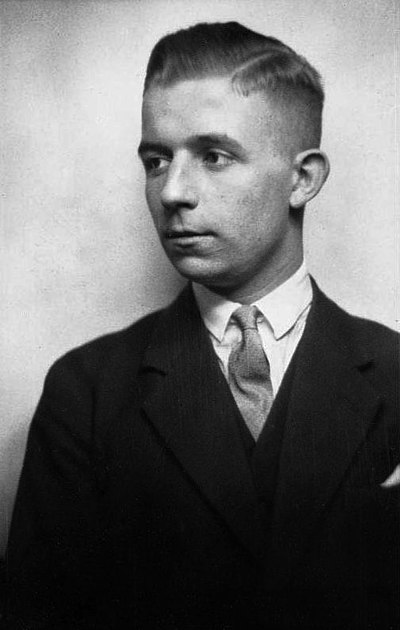
Bundesarchiv Bild 119-0025B, Horst Wessel
<div class='fn'> <b><span class='language de'><b>Berlin, Beisetzung von Horst Wessel</b> († 23. Februar 1930 in Berlin)</span></b> <abbr class='BArchtooltips' title='Short title assigned by the archive'><span typeof='mw:File'><span><img src='https://upload.wikimedia.org/wikipedia/commons/thumb/5/53/Info_non-talk.svg/15px-Info_non-talk.svg.png' decoding='async' width='15' height='15' class='mw-file-element' srcset='https://upload.wikimedia.org/wikipedia/commons/thumb/5/53/Info_non-talk.svg/23px-Info_non-talk.svg.png 1.5x, https://upload.wikimedia.org/wikipedia/commons/thumb/5/53/Info_non-talk.svg/30px-Info_non-talk.svg.png 2x' data-file-width='62' data-file-height='62'></span></span></abbr></div>
Bundesarchiv Bild 183-1988-0727-507, Berlin, Horst Wessel mit 34. SA-Sturm
Stammbesatzung der Horst Wessel um 1937
Bundesarchiv DVM 10 Bild-23-63-31, Segelschulschiff 'Horst Wessel'
File:Bundesarchiv Bild 147-0503, Nürnberg, Horst Wessel mit SA-Sturm.jpg

From Paramilitary Member to Propaganda Icon

Horst Ludwig Georg Erich Wessel, born in 1907, was a figure whose life was tragically cut short but whose posthumous narrative became deeply intertwined with the rise of Nazism. Wessel's early political life saw him involved with various right-wing and paramilitary groups before he ultimately joined the Sturmabteilung (SA), the Nazi Party's formidable paramilitary wing. Within the SA, he achieved a degree of leadership, commanding several squads and districts.

His life was violently ended on February 23, 1930, when he was shot by two members of the Communist Party of Germany. This act of political violence, while ending Wessel's existence, provided fertile ground for the Nazi propaganda machine, particularly under the direction of Joseph Goebbels. The subsequent killing of the man arrested for Wessel's murder by the SA after the Nazis seized power in 1933 further cemented the narrative of victimhood and retribution that the party sought to cultivate.

The 'Horst-Wessel-Lied'

The most enduring legacy of Horst Wessel is not his personal life, but the song that bears his name. Wessel had penned the lyrics to a march, which, following his assassination, was repurposed and renamed the 'Horst-Wessel-Lied' (Horst Wessel Song). Joseph Goebbels, a master manipulator of public sentiment, elevated Wessel to the status of a martyr for the Nazi cause.

The song became the official anthem of the Nazi Party, a powerful and unifying force for its members. Its significance escalated dramatically when, in 1933, Adolf Hitler came to national power. The 'Horst-Wessel-Lied' was then declared the co-national anthem of Germany, sung alongside the first verse of the 'Deutschlandlied'.

This strategic integration of a party anthem into the national identity underscored the pervasive influence of Nazi ideology and the successful creation of a potent symbol from a relatively obscure party member.

The Spectacle of Sacrifice

The funeral of Horst Wessel was meticulously orchestrated to serve as a pivotal propaganda event. Held in Berlin, it was not a somber, private ceremony but a grand, public display attended by the highest echelons of the Nazi Party. This deliberate staging was intended to maximize the impact of Wessel's death, transforming him into a visible martyr and a rallying point for the movement.

The widespread attention given to his funeral ensured that his story, and by extension the 'Horst Wessel Song,' permeated public consciousness. It was a calculated move to imbue the party with a sense of sacrifice and righteous struggle, using Wessel's demise as a potent symbol to galvanize support and solidify the party's narrative of being under attack and fighting for its survival.

The Enduring, Problematic Legacy of a Symbol

The story of Horst Wessel serves as a critical case study in the construction and deployment of political symbols. His elevation to iconic status was a deliberate act of propaganda, demonstrating how personal tragedy can be co-opted and amplified to serve a political agenda. The 'Horst Wessel Song,' with its association with the atrocities of the Nazi regime, remains a deeply controversial and often banned piece of music in many countries.

Its continued existence, even in historical discourse, highlights the enduring power of symbols and the importance of understanding their origins and the contexts in which they were used. Analyzing Wessel's transformation reveals the mechanisms by which narratives are shaped, how anthems can become instruments of ideology, and the lasting impact of such manufactured heroes on national identity and historical memory.

See also

Was this helpful?
W

Based on content from Wikipedia · Licensed under CC BY-SA 4.0