

Home Computer
Images

Education Town Hall




From Laboratories to Living Rooms
The advent of the home computer in 1977 marked a profound paradigm shift in the technological landscape. Prior to this, computers were largely confined to academic institutions, government agencies, and large corporations, characterized by their immense size, prohibitive cost, and complex operation requiring specialized expertise. The home computer class of microcomputers fundamentally altered this dynamic.
They were engineered to be affordable and accessible, targeting the non-technical consumer for the first time. This strategic market segmentation differentiated them from more powerful, expensive business and scientific machines that ran operating systems like CP/M or the nascent IBM PC architecture. While generally less powerful in terms of raw processing capability, memory, and expandability, home computers often excelled in areas crucial for consumer appeal, such as enhanced graphics and sound, laying the groundwork for interactive entertainment and creative applications.
Architectural Innovations and User Interaction
The core functionality of a home computer revolved around its microprocessor, memory, and input/output systems, all housed within a relatively compact and aesthetically pleasing enclosure, often made of metal or plastic. A key innovation was the inclusion of a programming language, typically BASIC, directly in the system's Read-Only Memory (ROM). This eliminated the need for users to load software for basic programming tasks, significantly lowering the barrier to entry for aspiring programmers.
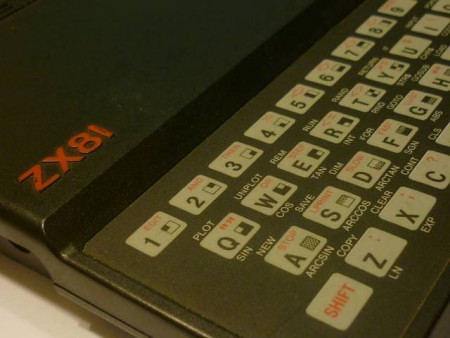
This accessibility fostered a culture of experimentation and self-sufficiency, where users could not only utilize pre-existing software but also create their own applications. Some models, like the Sinclair ZX80, even offered a DIY approach, being sold as electronic kits that purchasers could assemble themselves, further blurring the lines between consumer product and hobbyist project and contributing to a deeper understanding of the technology.
The Spectrum of Applications
Advertisements for early home computers often painted a picture of revolutionary domestic utility, promising capabilities ranging from sophisticated recipe cataloging and personal finance management to ambitious home automation. However, the practical realization of these visions was frequently hampered by the technological limitations of the era. Implementing home automation, for instance, would necessitate the computer remaining powered on continuously and dedicated solely to that task, a significant drain on resources and impractical for typical household use.
Similarly, managing personal finances or databases involved laborious manual data entry. In contrast, the computer press often focused on technical specifications, assuming a user base already possessing the knowledge and intent to develop or utilize specific software. The true power for many users lay in the ability to program, turning the computer into a versatile tool for learning and creation, albeit one that required considerable time investment.
Transformative Impact and the Blurring of Lines
The introduction of the home computer was a watershed moment, democratizing access to digital technology and fostering a generation of digitally literate individuals. It shifted the perception of computers from specialized tools to personal devices capable of enhancing daily life through entertainment, education, and creative expression. This era cultivated a unique user base that was often deeply engaged with the technical aspects of their machines, frequently writing their own software.
The subsequent evolution of personal computing, particularly the rise of IBM PC compatibles and standardized operating systems, gradually eroded the distinct market segment of the 'home computer.' Today, the architecture, peripherals, and software ecosystems are largely unified across home and business environments, making the lines almost indistinguishable. The practice of custom software development for personal use has also become significantly less common, replaced by a vast array of commercially available applications.
Enduring Influence and the Digital Heritage
Although the specific category of the 'home computer' has largely been absorbed into the broader personal computer market, its legacy is undeniable. These machines were the vanguard of personal computing, proving the viability and desirability of having powerful computational tools within the domestic sphere. They ignited interest in programming and computer science among a wide audience, many of whom went on to careers in technology.
The emphasis on user-friendliness, graphics, and sound, pioneered in the home computer era, continues to influence the design of modern devices. While the context has changed dramatically with the advent of the internet, mobile computing, and cloud services, the fundamental principle of personal, accessible computing-first realized by the home computer-remains the bedrock of our increasingly digital world.
See also
Frequently Asked Questions
What is a home computer?+
Why were home computers made in the 1970s?+
How can I learn to program on a home computer?+
Where did people get the parts for early home computers?+
Are home computers good for doing things like cooking recipes or paying bills?+
Based on content from Wikipedia · Licensed under CC BY-SA 4.0