

History of Art
Images
History of art
The Genesis of Visual Language
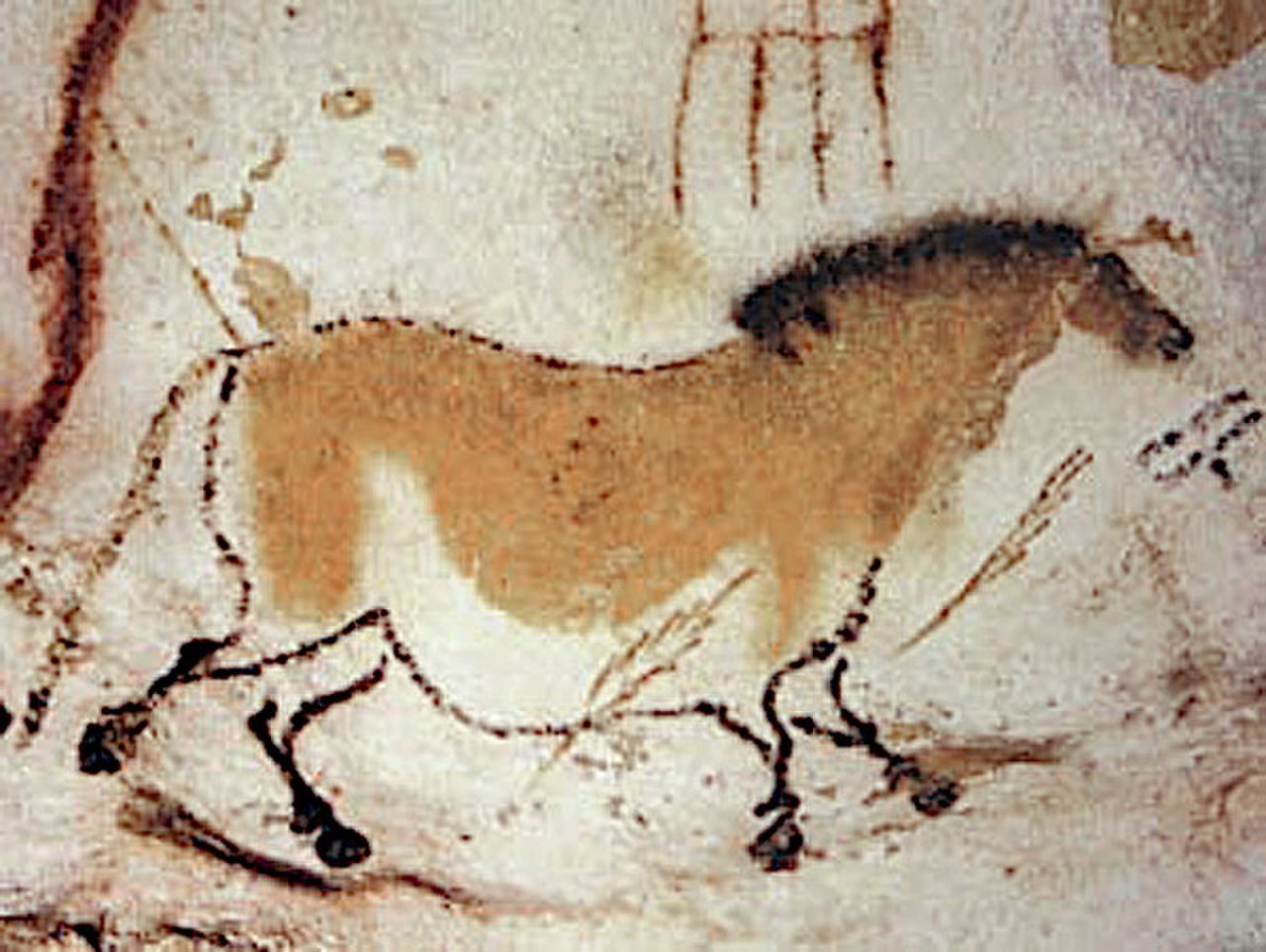
The history of art is intrinsically linked to the development of human consciousness and communication. The earliest evidence, such as the Lascaux and Chauvet cave paintings (dating back over 40,000 years), demonstrates a sophisticated understanding of form, perspective, and narrative, likely serving purposes beyond mere decoration, potentially including shamanistic rituals, educational tools, or territorial markers.
The subsequent flourishing of art in ancient civilizations like Mesopotamia, Egypt, Greece, and Rome reveals how visual culture became intertwined with power, religion, and social order. Egyptian art, with its rigid conventions and symbolic depth, aimed for eternity and divine order. Greek art, particularly during the Classical period, pursued ideals of beauty, proportion, and humanism, influencing Western aesthetics for millennia. Roman art adapted these ideals, emphasizing realism, historical narrative, and imperial grandeur, laying groundwork for subsequent European artistic traditions.
Continuity and Transformation
The transition from antiquity to the medieval period saw a shift in artistic focus, with Christian theology dominating European art. Byzantine mosaics, Romanesque architecture, and Gothic cathedrals all served to inspire faith and convey religious narratives, often with less emphasis on naturalistic representation. The Renaissance marked a profound reawakening of classical ideals, coupled with scientific inquiry and humanism.
Artists like Leonardo da Vinci and Michelangelo explored anatomy, perspective, and individual expression, elevating the status of the artist. Subsequent movements like Baroque, Rococo, Neoclassicism, and Romanticism each responded to their socio-political contexts, exploring drama, emotion, reason, and the sublime. The advent of photography in the 19th century fundamentally challenged painting's representational role, catalyzing movements like Impressionism, Post-Impressionism, Fauvism, Cubism, and Surrealism, which prioritized subjective experience, formal innovation, and psychological exploration.
The Enduring Significance of Art History
Art history is not merely an academic discipline; it is a critical lens through which we can understand the complexities of human civilization. It provides invaluable insights into the ideologies, power structures, technological advancements, and cultural exchanges that have shaped societies across the globe. By analyzing artworks, we can trace the evolution of human thought, from religious devotion and philosophical inquiry to political propaganda and personal introspection.
Art serves as a vital historical document, offering perspectives often absent from written records. Furthermore, studying art history cultivates critical thinking, visual literacy, and an appreciation for diverse cultural expressions, fostering empathy and a deeper understanding of the human condition. It helps us recognize patterns of influence and innovation, connecting seemingly disparate cultures and time periods.
Art as a Mirror and a Catalyst for Change
Throughout history, art has functioned both as a mirror reflecting the prevailing social, political, and cultural landscapes, and as a catalyst for change. From Goya's critiques of war to the socially conscious art of the Mexican muralists, artists have used their work to challenge norms, expose injustices, and provoke dialogue. The 20th and 21st centuries have witnessed an explosion of artistic diversity, with movements like Abstract Expressionism, Pop Art, Conceptual Art, and Postmodernism pushing the boundaries of what constitutes art.
Contemporary art continues to engage with pressing global issues, utilizing new media and interdisciplinary approaches to explore identity, technology, environmental concerns, and globalization. The history of art demonstrates its persistent capacity to question, to innovate, and to redefine our understanding of the world and our place within it.
See also
Frequently Asked Questions
What are the oldest known art pieces and where were they found?+
How did ancient Egyptian art differ from Greek art?+
Why did medieval European art focus on Christian themes?+
How did photography change painting?+
What can studying art history teach us?+
Based on content from Wikipedia · Licensed under CC BY-SA 4.0