

Grassland
Images
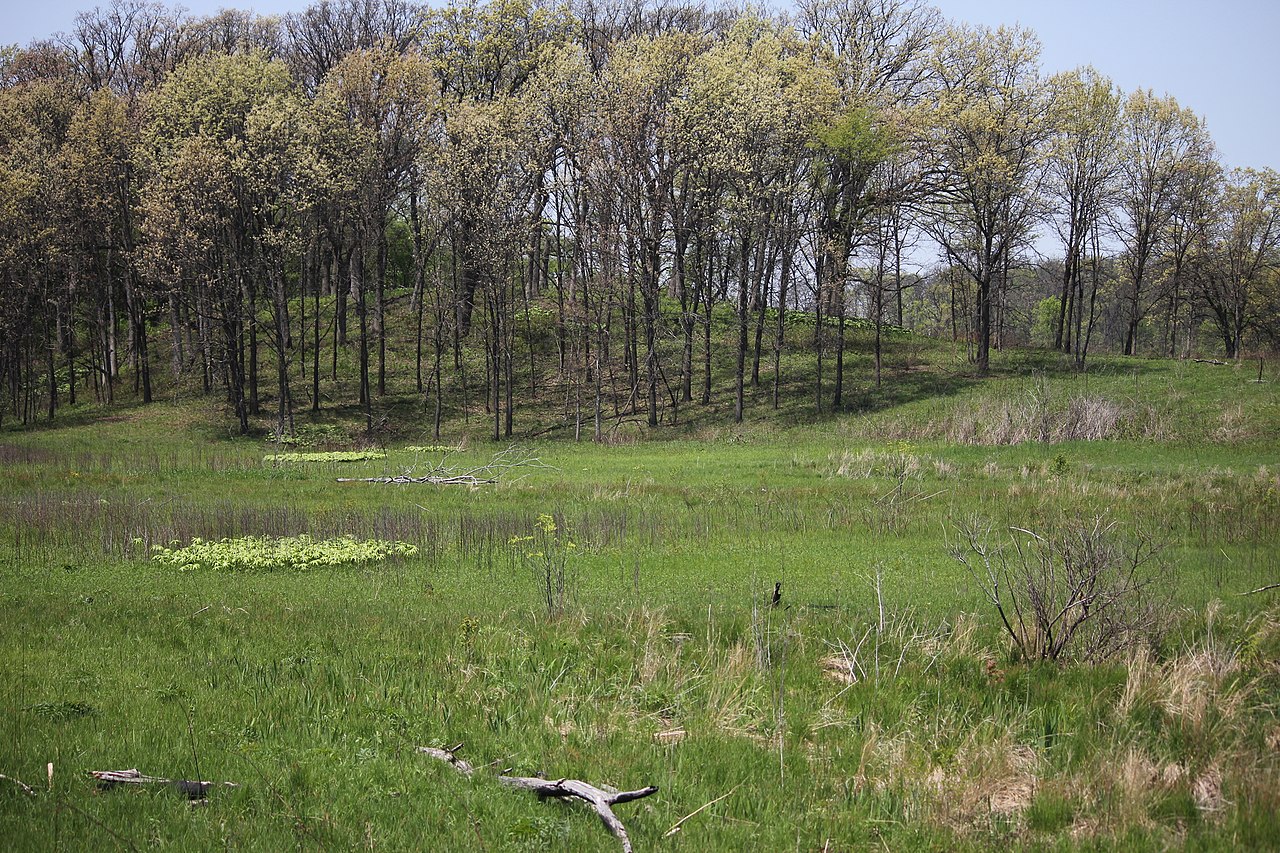
Grassland


The Ubiquitous Grassland
Grasslands represent a major terrestrial biome characterized by the dominance of herbaceous vegetation, primarily grasses, though often interspersed with sedges, rushes, legumes, and other forbs. Their distribution is global, occurring naturally on every continent except Antarctica, and they are found across a wide spectrum of ecoregions, from temperate zones to tropical savannas. This widespread presence makes grasslands one of the largest biomes on Earth, significantly shaping planetary landscapes and influencing global climate patterns.
The prevalence of grasslands underscores their adaptability to various climatic conditions, often existing in regions with moderate rainfall that is insufficient to support forests but too much to be deserts.
Faunal Adaptations and Ecological Dynamics
The open terrain of grasslands presents unique challenges and opportunities for wildlife. Large herbivores, such as bison, wildebeest, and various antelope species, are iconic inhabitants, relying on the abundant grasses for sustenance. Their grazing patterns are crucial ecological processes, influencing plant community structure and nutrient cycling.
These herbivores, in turn, support a diverse array of predators, including lions, cheetahs, and wolves, which have evolved specialized hunting strategies suited to the open environment. Smaller fauna, like rodents and insects, form essential components of the food web, contributing to pollination and decomposition. Adaptations such as speed, camouflage, burrowing behavior, and herd living are common strategies for survival in these dynamic ecosystems.
Ecological Services and Human Dependence
Grasslands provide indispensable ecosystem services that benefit both the environment and human societies. Their extensive root systems are highly effective at preventing soil erosion, stabilizing landscapes, and improving water infiltration. Furthermore, grasslands act as significant carbon sinks, sequestering atmospheric carbon dioxide and playing a vital role in climate regulation.
For human populations, grasslands are fundamental for agriculture, serving as primary areas for livestock grazing and the cultivation of staple crops like wheat, corn, barley, and rice. The economic value derived from these agricultural outputs is immense, making grassland management a critical aspect of global food security and rural economies.
Typology and Anthropogenic Influence
Grasslands can be broadly categorized into natural, semi-natural, and agricultural types, reflecting varying degrees of human influence. Natural grasslands have evolved over millennia with minimal anthropogenic impact. Semi-natural grasslands are shaped by human activities such as grazing, burning, or mowing, which maintain their open, grassy character.
Agricultural grasslands, or pastures and croplands, are intentionally managed for food production, either for direct human consumption or for animal feed. Understanding these distinctions is crucial for conservation efforts, as many natural and semi-natural grasslands harbor unique biodiversity that is threatened by land-use change and agricultural intensification.
Conservation Challenges and Future Outlook
Despite their ecological and economic importance, grasslands face numerous threats, including habitat conversion for agriculture and urban development, overgrazing, invasive species, and climate change. The conversion of grasslands to croplands often leads to significant biodiversity loss and soil degradation. Effective conservation strategies require integrated approaches that balance agricultural productivity with ecological preservation.
This includes promoting sustainable grazing practices, restoring degraded areas, protecting remaining natural grasslands, and recognizing the intrinsic value of these vital ecosystems. The future of grasslands depends on our ability to manage these landscapes sustainably, ensuring they continue to provide essential services for generations to come.
Go deeper
Frequently Asked Questions
What is a grassland?+
Where can we find grasslands on Earth?+
Why are grasslands important for animals and humans?+
How do grasslands help protect the soil and the climate?+
What are the different types of grasslands and why do they matter?+
Based on content from Wikipedia · Licensed under CC BY-SA 4.0