

Graham Linehan: The Funny Storyteller
Images
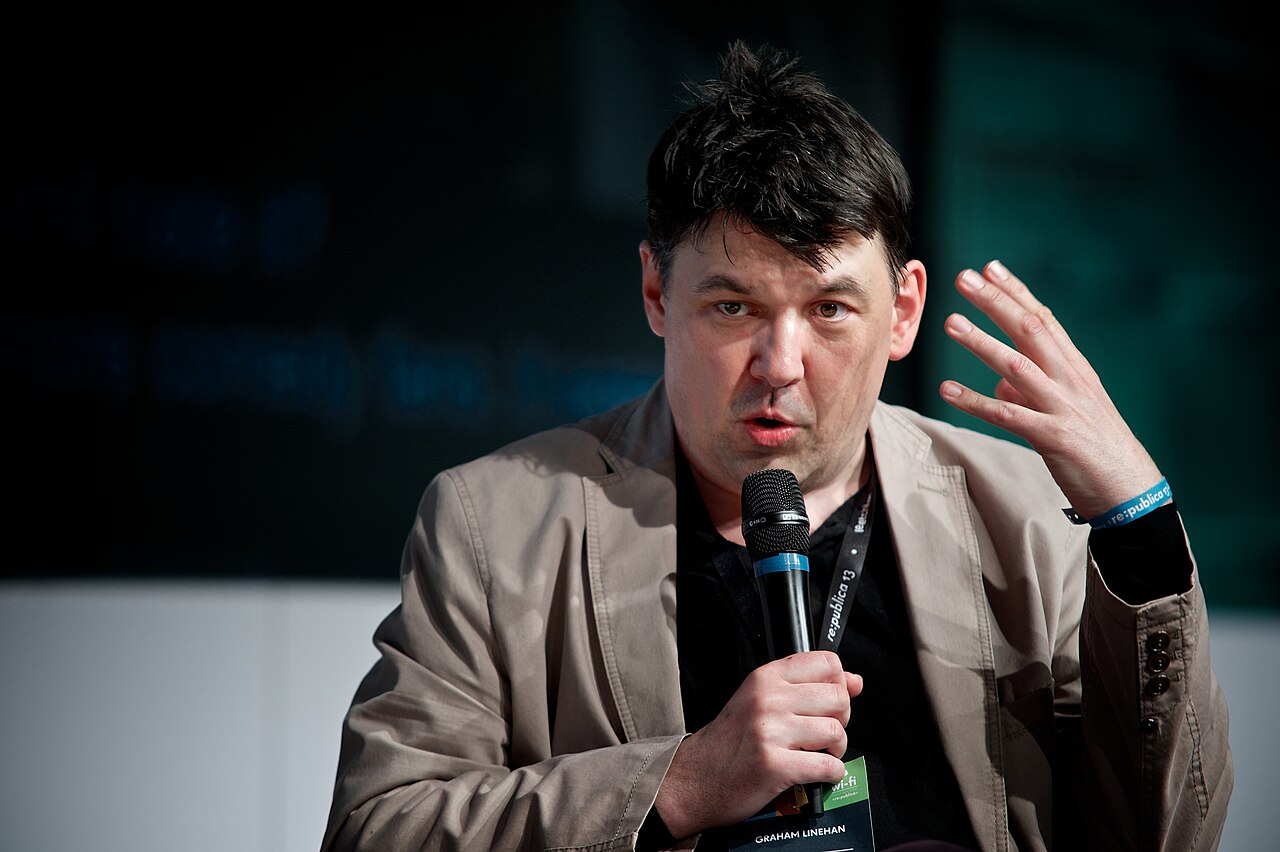
Graham Linehan 2013 (8735745502)


The Genesis of Genius
Graham Linehan, born in May 1968, emerged as a pivotal figure in the landscape of British and Irish television comedy. His early career was marked by a highly successful collaboration with Arthur Mathews, resulting in the iconic sitcom 'Father Ted' (1995–1998). This series, set on the fictional Craggy Island, masterfully blended surreal humor with sharp social commentary, earning widespread critical acclaim and a devoted following.
Linehan's distinct comedic voice continued to shine with the creation of 'Black Books' (2000–2004), a darkly humorous series centered on a curmudgeonly bookseller, and the immensely popular 'The IT Crowd' (2006–2013), which satirized the often-absurd world of office IT support. His contributions extended to other influential shows such as 'The Fast Show,' 'The Day Today,' and 'Brass Eye,' showcasing a consistent ability to craft witty dialogue and memorable characters that resonated with audiences and critics alike.
This prolific output cemented his reputation as one of the era's most influential comedy writers.
From Screenwriter to Social Commentator
Linehan's trajectory took a significant turn as he became increasingly vocal and active in public discourse concerning transgender rights. This shift in focus appears to have been catalyzed by criticism leveled against an episode of 'The IT Crowd,' which was deemed transphobic. Linehan subsequently positioned himself as a prominent critic of transgender activism, articulating a viewpoint that he believes transgender advocacy endangers women.
His public statements have been characterized by strong rhetoric, including controversial comparisons of puberty blockers to Nazi eugenics. This engagement with what he describes as a cause that has 'consumed his life' has had profound personal and professional ramifications. The intensity of his activism has reportedly led to a cessation of work opportunities within the television industry and contributed to the dissolution of his marriage, illustrating the far-reaching consequences of deeply held, publicly expressed convictions.
A Cultural Footprint
The legacy of Graham Linehan's comedic creations remains substantial, with his sitcoms continuing to be celebrated and rewatched years after their initial broadcast. 'Father Ted,' in particular, has achieved cult status, its quotable lines and unique premise ensuring its place in television history. 'The IT Crowd,' with its accessible humor and relatable portrayal of workplace dynamics, has also garnered a dedicated fanbase and remains a popular choice for streaming and syndication. The critical recognition of his work is underscored by his impressive collection of five BAFTA awards, including the coveted Best Writer award for 'The IT Crowd' in 2014.
This consistent acclaim highlights his significant contribution to the art of television comedy, demonstrating his skill in developing narratives and characters that not only entertain but also reflect aspects of contemporary society, albeit through a comedic lens.
Navigating the Intersection of Art, Belief, and Public Scrutiny
Graham Linehan's journey from a celebrated television writer to a figure at the center of a contentious social debate offers a compelling case study on the complexities of public life, artistic expression, and personal conviction. His outspoken stance on transgender issues has placed him at odds with many in the creative industries and the broader public, sparking intense debate about his views and their implications. Linehan's assertion that his activism has 'consumed his life' suggests a profound personal commitment to his beliefs, even at the cost of his established career.
This situation raises critical questions about the extent to which public figures' personal views should influence their professional standing, the dynamics of online discourse, and the challenges of navigating deeply polarized societal issues. His experience underscores the significant impact that public activism can have on an individual's career and personal life in the modern era.
Broader Implications
The case of Graham Linehan prompts a deeper examination of the relationship between comedy, social commentary, and public opinion. His success in creating universally appealing sitcoms demonstrates the power of humor to connect with diverse audiences. However, his later engagement with highly divisive social issues highlights the challenges faced by public figures when their personal beliefs diverge sharply from prevailing social norms or the expectations of their professional sphere.
The controversy surrounding his activism raises questions about artistic freedom, the responsibility of creators, and the evolving nature of public discourse in the digital age. His story is a reminder that individuals, even those celebrated for their creative talents, are subject to scrutiny and that their public actions can have far-reaching consequences, shaping not only their own lives but also contributing to broader cultural conversations and debates.
See also
Frequently Asked Questions
Who is Graham Linehan?+
What is Father Ted about?+
Which of his shows are still popular today?+
Why did Graham Linehan stop getting TV jobs?+
Has he won any awards for his writing?+
Based on content from Wikipedia · Licensed under CC BY-SA 4.0