

Activism: Making a Difference!
Images
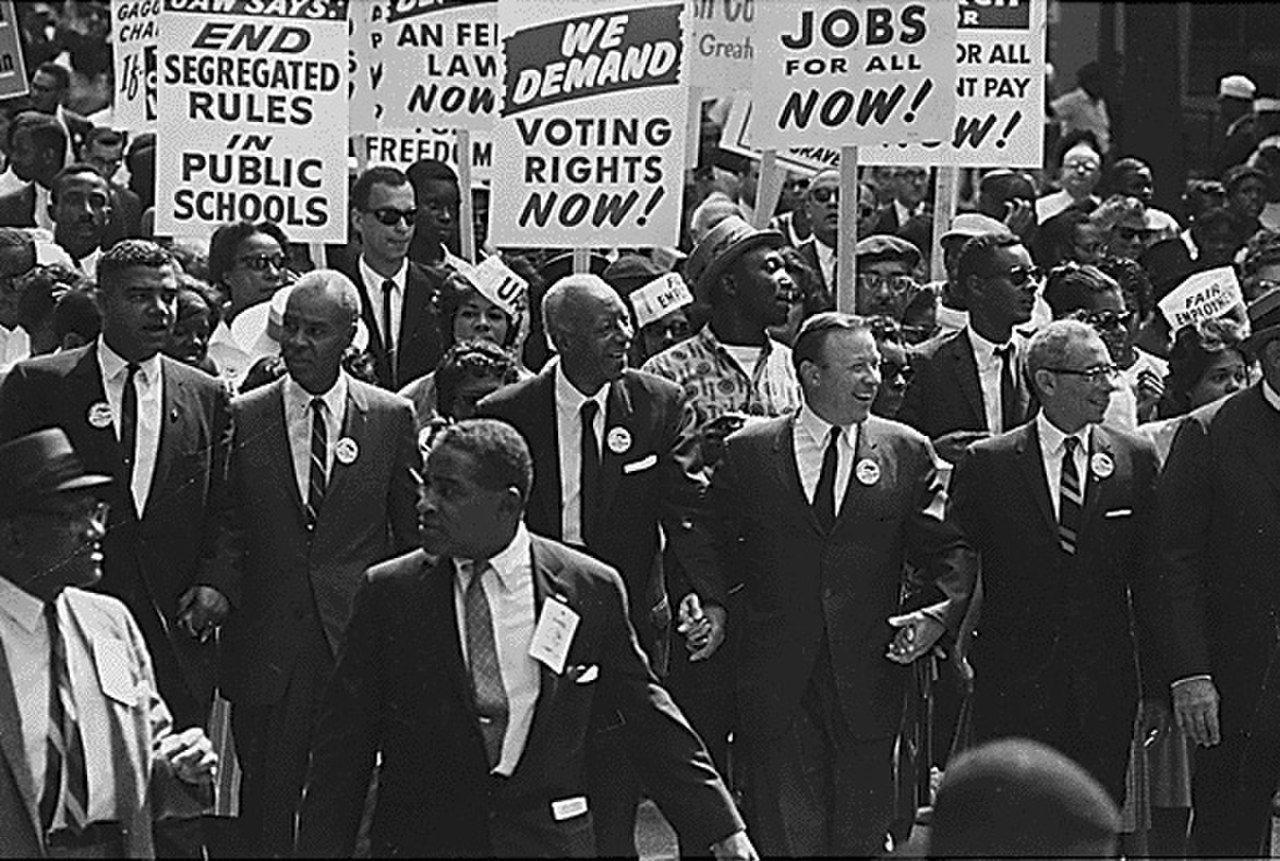
Activism
The Genesis and Definition of Activism
Activism, at its core, is the practice of advocating for or opposing particular social, political, or economic policies and changes. It is a deliberate and often organized effort to influence public opinion, governmental action, or institutional practices. This can range from individual acts of conscience to large-scale, coordinated campaigns involving thousands or even millions of people.
The underlying principle is the belief that societal structures and policies can and should be improved, and that collective action is a powerful means to achieve this. Activism is not merely reactive; it is a proactive force that seeks to shape the future by addressing perceived injustices, inequalities, or threats.
Historical Trajectories of Activist Movements
The history of activism is intertwined with the history of human progress and conflict. Ancient societies saw forms of collective action, from peasant revolts to philosophical challenges to established orders. The Enlightenment era, with its emphasis on reason and individual rights, laid intellectual groundwork for modern activism.
The 19th and 20th centuries witnessed the rise of powerful, organized movements: the abolitionist movement challenged the morality and legality of slavery; the labor movement fought for workers' rights and safer conditions; the women's suffrage movement secured voting rights for women; and the Civil Rights Movement dismantled legal segregation and discrimination. Each of these movements employed varied tactics, from lobbying and legal challenges to mass protests and strikes, demonstrating the enduring power of sustained, collective advocacy.
The Indispensable Role of Activism in Modern Society
Activism serves as a vital mechanism for democratic societies to self-correct and evolve. It provides a platform for marginalized voices to be heard, challenges entrenched power structures, and holds institutions accountable. Many fundamental rights and social advancements, such as environmental regulations, LGBTQ+ rights, and advancements in public health, are direct results of persistent activism.
By bringing critical issues to the forefront of public consciousness and political debate, activists compel societies to confront uncomfortable truths and strive for greater justice, equality, and sustainability. Without the pressure and advocacy generated by activists, societal progress would likely stagnate, and injustices could persist unchecked.
Tactics and Strategies
The methods employed in activism are as diverse as the causes they champion. Common tactics include:
- Protests and Demonstrations: Public gatherings like marches, rallies, and sit-ins to raise visibility and express collective will.
- Petitions and Referendums: Formal requests for action or votes on specific issues, demonstrating public support.
- Lobbying and Advocacy: Direct engagement with policymakers to influence legislation and policy decisions.
- Public Awareness Campaigns: Utilizing media, education, and art to inform the public and shift attitudes.
- Civil Disobedience: Nonviolent refusal to obey certain laws deemed unjust, often as a means of protest.
- Boycotts and Divestment: Economic pressure applied by withdrawing support from or investing away from specific entities.
- Digital Activism: Leveraging the internet and social media for organizing, awareness, and mobilization.
The effectiveness of these tactics often depends on context, the specific goals, and the ability to garner broad support.
Contemporary Activism
In the 21st century, activism has been profoundly shaped by globalization and digital technology. Social media platforms enable rapid information dissemination, cross-border solidarity, and swift mobilization, as seen in movements like the Arab Spring or #MeToo. Global challenges such as climate change have spurred international activist networks, with figures like Greta Thunberg galvanizing youth worldwide.
While digital tools offer unprecedented reach, they also present challenges, including the spread of misinformation and the potential for superficial engagement ('slacktivism'). Nevertheless, contemporary activism continues to be a dynamic force, adapting its strategies to address complex modern issues and push for transformative change on local, national, and global scales.
Go deeper
Frequently Asked Questions
What is activism?+
How do protests help change things?+
Why do activists use petitions and voting?+
Can one person make a difference in activism?+
What are some famous activism movements mentioned?+
Based on content from Wikipedia · Licensed under CC BY-SA 4.0