

Gnocchi: Tiny Dumplings, Big Flavor!
Images
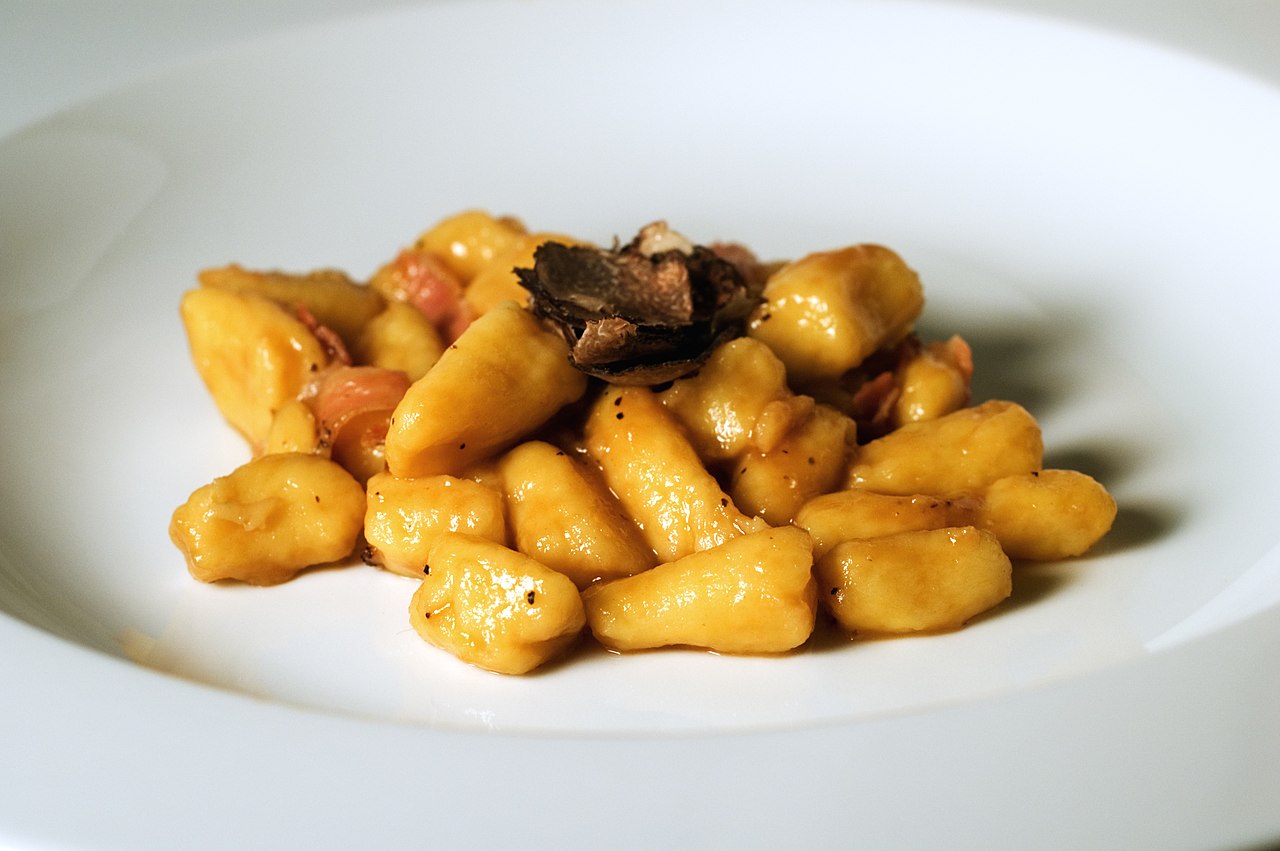
Gnocchi with truffle


The Genesis and Evolution of Gnocchi
Gnocchi represent a fascinating branch of Italian cuisine, distinct from traditional pasta yet often categorized alongside it. Their origins are ancient, likely stemming from simple dough preparations made with available grains like wheat or barley, water, and sometimes eggs, existing long before the potato's arrival in Europe. These early iterations were a response to the need for a filling and accessible food source.
The true transformation of gnocchi occurred with the integration of the potato, a New World staple that gradually became a cornerstone of Italian peasant cuisine, particularly in northern regions. Potatoes offered a lighter, more tender, and cost-effective base, allowing for a softer texture that became the hallmark of modern gnocchi. This shift wasn't immediate; it was a gradual adoption that led to the potato gnocchi we recognize today, though variations using semolina, ricotta, or even vegetables continue to exist, reflecting regional diversity and culinary innovation.
The debate over 'traditional' ingredients highlights the dish's deep cultural roots and ongoing adaptation.
The Multifaceted Role of Gnocchi in Italian Gastronomy
Within the structure of a traditional Italian meal, gnocchi occupy a significant niche, primarily as a 'primo piatto' (first course). They serve as a comforting and satisfying alternative to pasta, risotto, or minestre (soups). Their importance extends beyond mere sustenance; gnocchi embody a culinary philosophy that elevates simple, humble ingredients into dishes of profound flavor and texture.
The appeal lies in their inherent versatility. The relatively neutral base of potato gnocchi acts as a perfect canvas for a vast spectrum of sauces and accompaniments. From the delicate simplicity of butter and sage, allowing the gnocchi's texture to shine, to the vibrant herbaceousness of pesto, or the robust heartiness of a slow-cooked ragu, gnocchi adapt beautifully.
This adaptability makes them a beloved dish across different regions and dining contexts, from casual trattorias to more formal settings, underscoring their enduring relevance in Italian culinary identity.
The Craft of Gnocchi
The creation of gnocchi is a culinary art form that requires a delicate balance of ingredients and technique. The process typically begins with cooked potatoes, which are mashed or riced while still warm but not hot, to avoid excess moisture. Flour, often a combination of all-purpose and sometimes semolina for structure, is added along with eggs and salt. The key is to handle the dough minimally to prevent toughness; overworking develops gluten, resulting in chewy, dense gnocchi.
The dough is gently brought together, rolled into long ropes, and then portioned into small, bite-sized pieces. A distinctive characteristic of many gnocchi is the ridged surface, achieved by rolling them over the back of a fork or a specialized gnocchi board. These grooves are not merely aesthetic; they are functional, providing increased surface area for sauce adhesion. Cooking is a swift process: gnocchi are dropped into generously salted boiling water, and they are ready when they float to the surface, indicating they are cooked through.
Some smaller, soup-style gnocchi are made by pressing the dough through a sieve or perforated spoon for a different texture and presentation.
Gnocchi's Global Footprint and Culinary Modernization
While intrinsically Italian, gnocchi have achieved significant global recognition and have been embraced and adapted by cuisines worldwide. Their universal appeal stems from their comforting texture and the inherent satisfaction they provide. The industrialization of gnocchi production, making them available refrigerated, dried, or frozen, has further democratized their accessibility, allowing individuals globally to experience this Italian staple.
This widespread availability has also spurred culinary innovation. Chefs and home cooks alike experiment with diverse ingredients beyond potato, incorporating ricotta, pumpkin, spinach, or even gluten-free flours like rice or almond flour to cater to different dietary needs and flavor preferences. This ongoing evolution, while sometimes debated by purists, demonstrates gnocchi's dynamic nature as a culinary entity capable of transcending its traditional boundaries and resonating with contemporary tastes and global food culture.
The Cultural Significance and Future of Gnocchi
Gnocchi are more than just food; they are a symbol of Italian culinary heritage, representing resourcefulness, comfort, and tradition. Their journey from simple peasant fare to a globally appreciated dish reflects broader trends in food history and cultural exchange. The dish's ability to adapt, incorporating new ingredients and techniques while retaining its core identity, speaks to its resilience and enduring appeal.
In contemporary food landscapes, gnocchi continue to be a subject of both reverence and innovation. They are celebrated in traditional Italian restaurants, explored in experimental kitchens, and enjoyed in countless homes. The future of gnocchi likely involves continued exploration of diverse ingredients, sustainable sourcing, and creative sauce pairings, ensuring their place not only as a beloved classic but also as a platform for ongoing culinary creativity.
Their story is a testament to how simple ingredients, thoughtfully prepared, can achieve lasting cultural and gastronomic significance.
See also
Frequently Asked Questions
What is gnocchi made of?+
Why do gnocchi have ridges?+
How do you know when gnocchi are cooked?+
What sauces go well with gnocchi?+
When did potatoes become part of gnocchi?+
Based on content from Wikipedia · Licensed under CC BY-SA 4.0