

Germanwings Flight 9525
Images

Airbus 320-Germanwings D-AIPX 2014-06-08 retouched




The Routine Flight That Became a Catastrophe
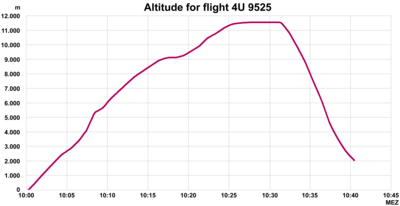
Germanwings Flight 9525, a scheduled international passenger service operated by the low-cost carrier Germanwings, a subsidiary of Lufthansa, was en route from Barcelona–El Prat Airport, Spain, to Düsseldorf Airport, Germany. The aircraft, an Airbus A320-211, was a workhorse of modern aviation, known for its reliability. On March 24, 2015, at approximately 10:01 CET, the flight departed Barcelona.
After reaching a cruising altitude of around 38,000 feet, the flight path took a catastrophic turn. While the flight was over the Mediterranean Sea, the captain left the cockpit, presumably to use the lavatory. This routine departure from the cockpit provided the window for the co-pilot, Andreas Lubitz, to initiate his devastating plan.
The Co-pilot's Intentional Descent
The subsequent investigation revealed that Andreas Lubitz, the first officer, had a history of severe depression and suicidal tendencies. His doctor had declared him unfit to work, a fact he concealed from his employer. Upon the captain's temporary absence, Lubitz locked the cockpit door from the inside, a security feature designed to prevent unauthorized entry.
He then systematically altered the aircraft's flight path, engaging the autopilot to descend. Air traffic control attempts to contact the aircraft were met with silence, and the plane began its controlled plunge towards the French Alps. This deliberate act, driven by personal crisis, transformed a routine flight into a deliberate act of mass destruction.
Impact and Aftermath in the French Alps
The Airbus A320 crashed into a remote mountainside in the French Alps, approximately 100 kilometers northwest of Nice. The impact was immense, disintegrating the aircraft and tragically killing all 150 people on board, including 144 passengers and 6 crew members. The mountainous terrain made rescue and recovery operations incredibly challenging.
The scale of the loss and the deliberate nature of the crash sent profound shockwaves through the global aviation community and beyond, prompting immediate and intense scrutiny of airline safety procedures and pilot mental health protocols.
Regulatory Reforms and the 'Two-Crew Rule'
In response to the Germanwings tragedy, aviation authorities, particularly the European Union Aviation Safety Agency (EASA), swiftly implemented enhanced safety measures. The most significant immediate change was the mandatory 'two-crew rule' in the cockpit. This regulation stipulated that at least two authorized individuals must be present in the cockpit at all times during flight.
The rationale was to prevent a single individual from being able to lock down the flight deck and execute a deliberate crash. While this rule was later modified, the incident fundamentally reshaped the approach to cockpit security and the importance of robust psychological screening for pilots. It highlighted the need for continuous vigilance and adaptation in aviation safety.
Lingering Questions and Financial Repercussions
Two years after the crash, on the second anniversary, the Lubitz family held a press conference. His father questioned the official findings, suggesting possibilities such as his son falling unconscious or a malfunction of the cockpit door lock, though these claims were not supported by the extensive investigation. In the interim, Lufthansa had taken steps to support the victims' families, providing €75,000 to each family and an additional €10,000 for pain and suffering to close relatives.
The legacy of Germanwings Flight 9525 continues to influence discussions on pilot mental health, cockpit security, and the ethical responsibilities of airlines in ensuring the safety and well-being of both passengers and crew.
See also
Based on content from Wikipedia · Licensed under CC BY-SA 4.0