

Geneva (canton)
Images

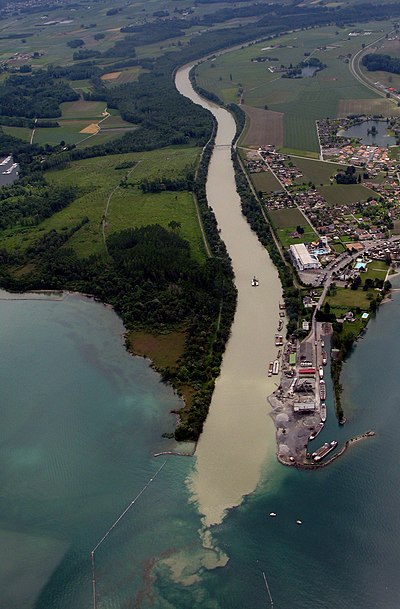
File:2012-07-29 Versoix (Foto Dietrich Michael Weidmann) 001.JPG




Geopolitical Significance and Swiss Autonomy
The canton of Geneva, situated in the southwesternmost part of Switzerland, is a unique entity within the Swiss Confederation. Bordering France on three sides, it possesses a distinct geopolitical character that influences its governance and international relations. Despite its relatively small geographical area of approximately 282 square kilometers, it is home to over 500,000 residents, making it one of Switzerland's most densely populated cantons.
Its capital, the city of Geneva, is a global metropolis that punches far above its weight in international affairs. The canton's status as a sovereign state within Switzerland, while adhering to federal laws, allows it a degree of autonomy that has been instrumental in its development as a hub for international organizations. This delicate balance between national integration and global engagement defines Geneva's unique position.
The Geneva Conventions and the Humanitarian Tradition
Geneva's global prominence is inextricably linked to its profound humanitarian tradition, most famously embodied by the Geneva Conventions. These crucial international treaties, first signed in Geneva in 1864, establish the standards for the treatment of victims of armed conflict. They form the bedrock of international humanitarian law, dictating how prisoners of war should be treated and protecting civilians during wartime.
The International Committee of the Red Cross (ICRC), founded in Geneva in 1863, plays a vital role in upholding these principles. This deep-seated commitment to humanitarianism has cemented Geneva's reputation as a city of peace and a neutral ground for sensitive international negotiations, attracting organizations dedicated to human rights and global welfare.
A Hub for International Diplomacy and Multilateralism
The canton of Geneva serves as a critical center for multilateral diplomacy, hosting a significant portion of the United Nations' activities outside of its New York headquarters. The Palais des Nations, the former home of the League of Nations, now houses numerous UN agencies, including the UN Human Rights Council and the World Health Organization (WHO). Beyond the UN, Geneva is home to hundreds of other international governmental and non-governmental organizations, covering fields as diverse as trade, telecommunications, meteorology, and intellectual property.
This concentration of international bodies fosters a unique ecosystem of expertise, policy-making, and global dialogue, making Geneva an indispensable player in addressing contemporary global challenges. Its role as a neutral venue for dialogue is paramount.
Economic Drivers
While international organizations are a major economic engine for Geneva, the canton boasts a diversified economy. Historically, Geneva has been renowned for its precision industries, particularly watchmaking, a sector that continues to thrive and maintain its global prestige. The financial services sector is also a significant contributor, leveraging Geneva's stability and international connections.
Furthermore, the presence of international organizations and multinational corporations attracts a highly skilled workforce, fostering innovation in sectors like biotechnology and research. The canton's strategic location, excellent infrastructure, and high quality of life make it an attractive destination for businesses and talent, contributing to its economic resilience and prosperity.
Cultural Landscape and Linguistic Heritage
The cultural identity of Geneva is deeply intertwined with its French-speaking heritage and its international character. French is the official language, and its influence is evident in the city's architecture, cuisine, and daily life. However, the constant influx of international residents and professionals creates a cosmopolitan atmosphere, with a multitude of languages and cultures coexisting.
This blend is reflected in Geneva's vibrant arts scene, its diverse culinary offerings, and its numerous museums and cultural institutions. The canton actively preserves its historical sites, such as the Old Town and St. Pierre Cathedral, while embracing its role as a global crossroads, offering a unique synthesis of Swiss tradition and international dynamism.
See also
Frequently Asked Questions
What is the canton of Geneva and where is it located?+
Why is Geneva famous for international meetings?+
How did the Geneva Conventions start?+
What kinds of industries are popular in Geneva?+
Why is Geneva considered a neutral place for talks?+
Based on content from Wikipedia · Licensed under CC BY-SA 4.0