

Geneva Conventions: Rules for Kindness in Tough Times!
Images
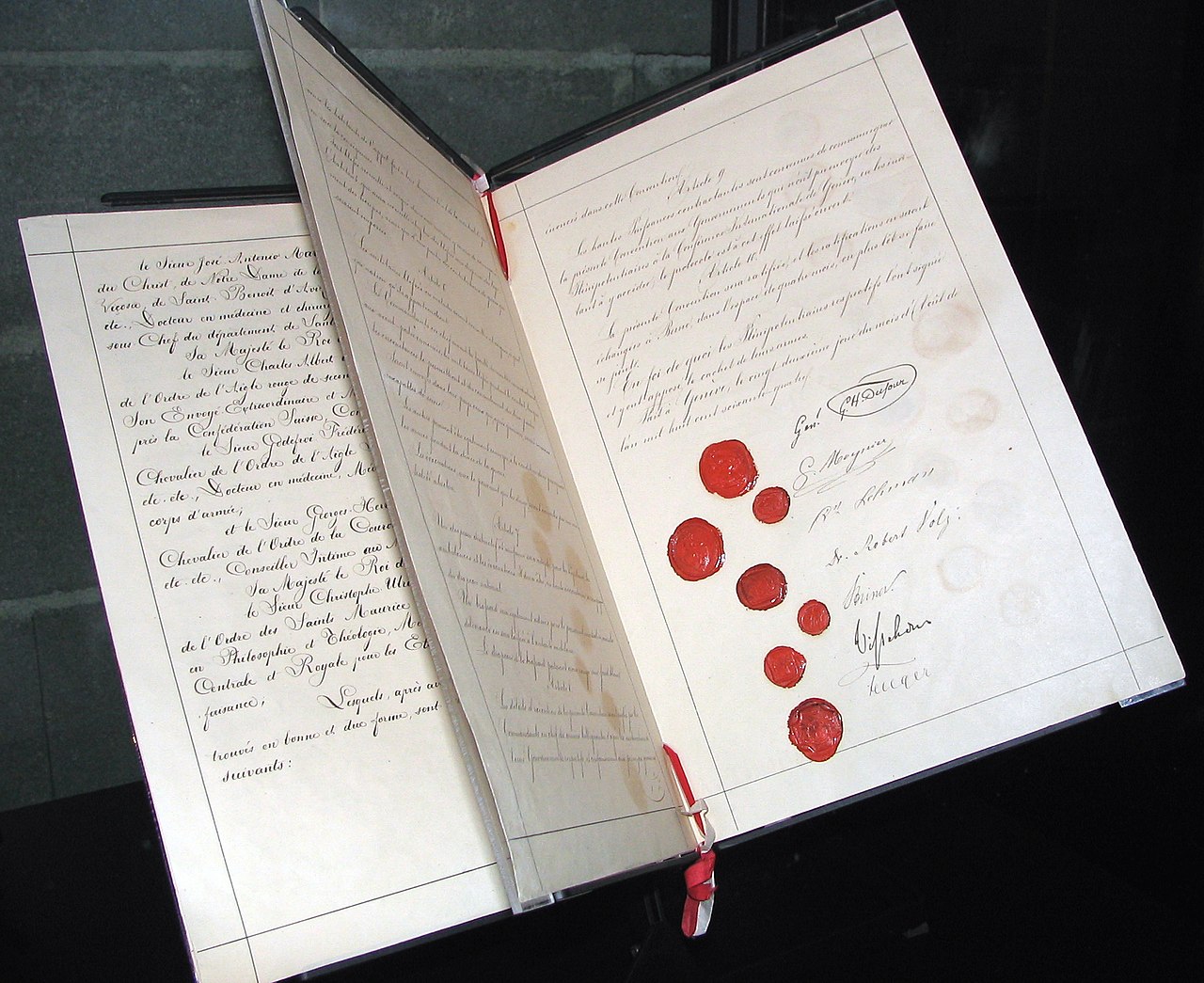
Geneva Conventions


The Genesis of Humanitarian Law
The impetus for the Geneva Conventions arose from the stark realities of 19th-century warfare, particularly the devastating aftermath of the Battle of Solferino in 1859. Henry Dunant's harrowing account of the suffering of unattended wounded soldiers galvanized international attention. His advocacy led to the establishment of the International Committee for Relief to the Wounded (later the ICRC) and culminated in the First Geneva Convention of 1864. This treaty, signed by twelve nations, laid down fundamental principles: the neutrality and protection of the wounded and sick, and the recognition of medical personnel and facilities bearing a distinctive emblem.
It marked a pivotal moment, asserting that even in war, there are universally recognized standards of humane treatment that transcend national interests, laying the groundwork for what would become known as International Humanitarian Law (IHL).
Evolution and Codification
The subsequent decades witnessed significant global conflicts, including two World Wars, which underscored the limitations of earlier agreements and the urgent need for broader protections, especially for civilians. The four Geneva Conventions of 1949 represent a comprehensive codification of IHL, addressing the evolving nature of warfare. Convention I protects the wounded and sick of armies in the field; Convention II extends these protections to the wounded, sick, and shipwrecked at sea; Convention III sets detailed standards for the treatment of prisoners of war; and Convention IV provides unprecedented protection for civilians in times of war.
These conventions are universally ratified, signifying a global consensus on their importance. Further developments include Additional Protocols in 1977, which address international and non-international armed conflicts, and a 2005 protocol recognizing an additional protective emblem, the red crystal.
The Indispensable Role of the Geneva Conventions in Global Order
The Geneva Conventions serve as the cornerstone of International Humanitarian Law, playing an indispensable role in mitigating the brutality of armed conflict. Their primary significance lies in establishing a legal framework that limits the effects of war, aiming to protect individuals who are not, or no longer, participating in hostilities. By defining the rights of prisoners of war, the treatment of the wounded and sick, and the protections afforded to civilians, these conventions prevent widespread atrocities and provide a basis for accountability.
They foster a degree of predictability and order in otherwise chaotic situations, facilitating humanitarian access and the repatriation of individuals. Furthermore, their universal ratification underscores a shared global commitment to human dignity, acting as a moral compass and a legal bulwark against the worst excesses of war.
Scope of Protection
The protective scope of the Geneva Conventions is extensive, encompassing various categories of individuals affected by conflict. Protected persons include wounded and sick combatants, ensuring they receive necessary medical care without discrimination. Prisoners of war are guaranteed humane treatment, protection from violence, intimidation, and insults, and rights to adequate food, shelter, and medical attention.
Civilians, particularly those in occupied territories or areas of conflict, are afforded robust protections against direct attacks, collective punishment, deportation, and inhumane living conditions. Medical personnel, facilities, and transport, identified by the distinctive emblems (red cross, red crescent, red crystal), are granted special protected status, and their deliberate targeting constitutes a grave breach of IHL. These provisions collectively aim to preserve a minimum standard of humanity amidst the devastation of war.
Go deeper
Frequently Asked Questions
What are the Geneva Conventions?+
Why were the Geneva Conventions created?+
Who helps protect wounded soldiers during war?+
How do the Geneva Conventions help civilians?+
Are the Geneva Conventions still used today?+
Based on content from Wikipedia · Licensed under CC BY-SA 4.0