

Galtür
Images
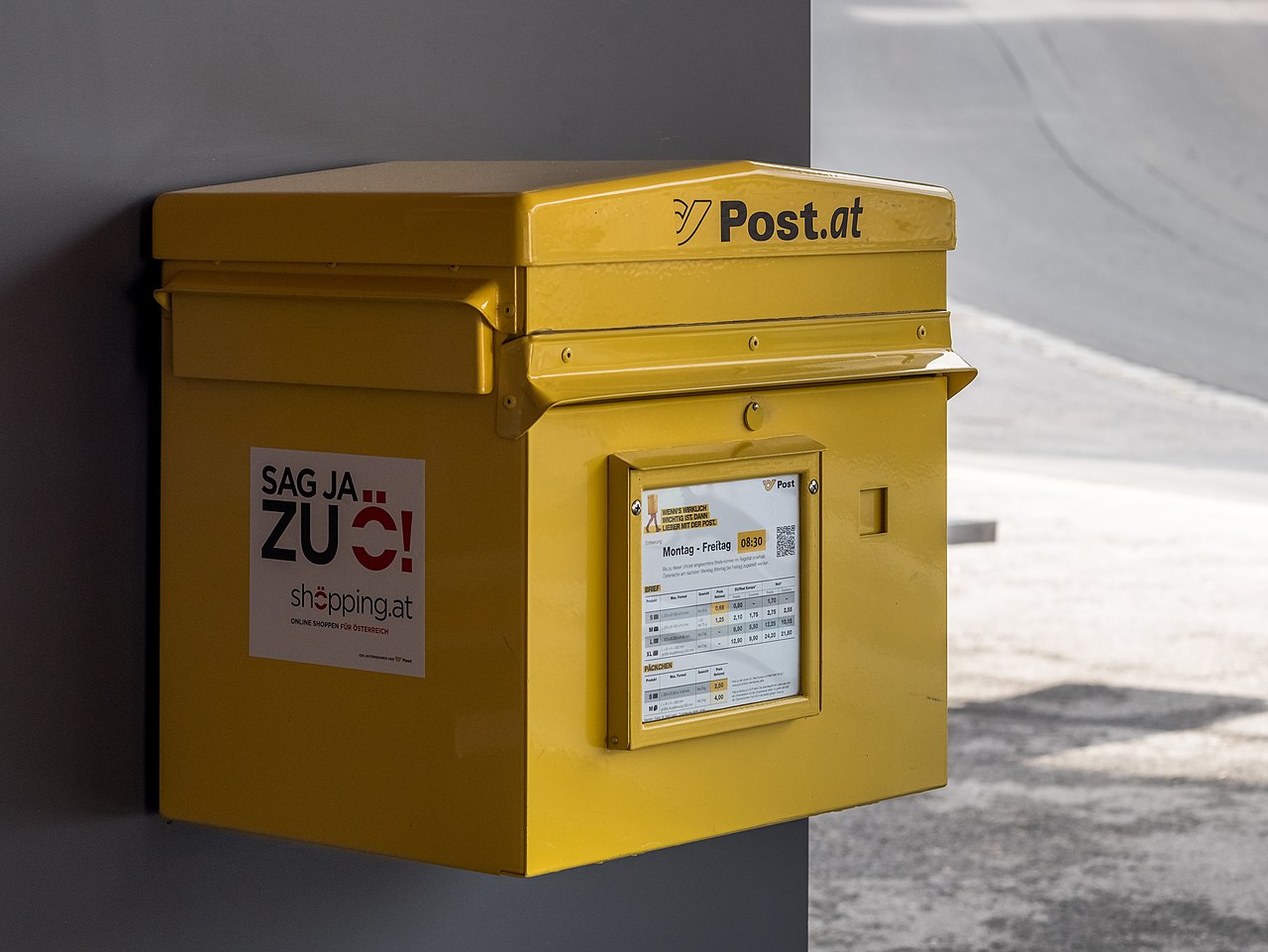
Galtür - Postbriefkasten 01


Geographic Setting and Environmental Context
Galtür is strategically positioned in the upper reaches of the Paznaun valley, a significant glacial valley within the Tyrolean Alps of Austria. Its geographical coordinates place it at the westernmost extremity of Tyrol, bordering the state of Vorarlberg and in close proximity to the Swiss border. This location within the Central Eastern Alps subjects Galtür to a pronounced alpine climate, characterized by long, cold winters with substantial snowfall and relatively short, cool summers.
The surrounding landscape is dominated by rugged mountain massifs, including the Silvretta group, which provides a dramatic backdrop and dictates the village's development. The valley floor is relatively narrow, with steep slopes rising sharply on either side, influencing settlement patterns and infrastructure development. Its elevation ensures a consistent snow cover, a critical factor for its primary economic driver: winter tourism.
The natural environment is not only the source of its appeal but also presents challenges, such as avalanche risk and the need for careful land management.
Historical Development and Societal Evolution
The history of Galtür, like many alpine settlements, is one of resilience and adaptation. Initially settled by farmers and herders drawn to the high pastures, its development was intrinsically tied to subsistence agriculture and the challenges of mountain living. The isolation of the Paznaun valley meant that communities developed a strong sense of self-reliance and unique cultural traditions.
The 20th century marked a significant turning point with the advent of winter tourism. The construction of ski lifts and improved transport infrastructure transformed Galtür from a relatively remote agricultural village into a recognized ski resort. This economic shift brought new opportunities but also introduced complexities, including seasonal employment, increased infrastructure demands, and the need to balance development with environmental preservation.
The village's history is also marked by natural events, such as avalanches, which have shaped its past and continue to influence safety protocols and community awareness.
Cultural Identity and Community Dynamics
Galtür embodies a distinct alpine culture, shaped by its geographical isolation, historical reliance on agriculture, and the more recent influx of tourism. Traditional Tyrolean customs and dialects are preserved, contributing to a strong sense of local identity. The architecture, often featuring characteristic wooden chalets adorned with floral motifs, reflects this heritage.
Community life is characterized by close-knit relationships and a collective engagement in local affairs, particularly concerning the management of the ski resort and the preservation of the natural environment. While tourism is vital for the economy, there is a conscious effort to maintain the village's authentic character and avoid over-commercialization. This delicate balance involves integrating visitors into the local rhythm while safeguarding the traditions and social fabric that define Galtür.
The hospitality extended to visitors is often a blend of genuine warmth and professional service, reflecting the dual nature of the community.
Economic Landscape
The economy of Galtür is overwhelmingly dominated by the tourism sector, particularly winter sports. As a ski resort, its primary economic activity revolves around providing facilities and services for skiers and snowboarders. This includes the operation of ski lifts, ski schools, accommodation providers (hotels, guesthouses, apartments), and restaurants.
The seasonal nature of this industry creates a distinct economic cycle, with peak activity during the winter months and a secondary, albeit smaller, boom during the summer hiking season. Employment is largely concentrated in hospitality and related services. While traditional alpine farming still exists, its economic contribution is minimal compared to tourism.
The village's economic success is therefore highly dependent on factors influencing the tourism industry, such as weather patterns, global travel trends, and marketing efforts. Diversification of the economy is a long-term consideration, but the unique appeal of Galtür remains intrinsically linked to its alpine setting and winter sports offerings.
Governance and Educational Framework
Galtür operates under the administrative framework of the Austrian federal system, specifically as a municipality within the state of Tyrol. The local governance is managed by a municipal council and a mayor, responsible for local administration, infrastructure development, public services, and economic planning. Decisions are made within the context of Austrian law and Tyrolean regional policies. Education in Galtür follows the Austrian national curriculum.
For younger children, there is a local primary school (Volksschule) that provides foundational education. As students progress to secondary education, they typically attend schools in larger nearby towns, such as Landeck, which offers a range of educational pathways, including vocational training and academic high schools (Gymnasium). This system ensures that Galtür's residents have access to educational opportunities comparable to other parts of Austria, while the local primary school maintains the community's focus on early childhood development within a familiar environment.
See also
Frequently Asked Questions
What is Galtür?+
Where is Galtür located?+
Why do people go skiing in Galtür?+
How do the people in Galtür keep safe from avalanches?+
What traditions do the Galtür residents keep?+
Based on content from Wikipedia · Licensed under CC BY-SA 4.0