

Franz Boas: The Father of Discovering People!
Images
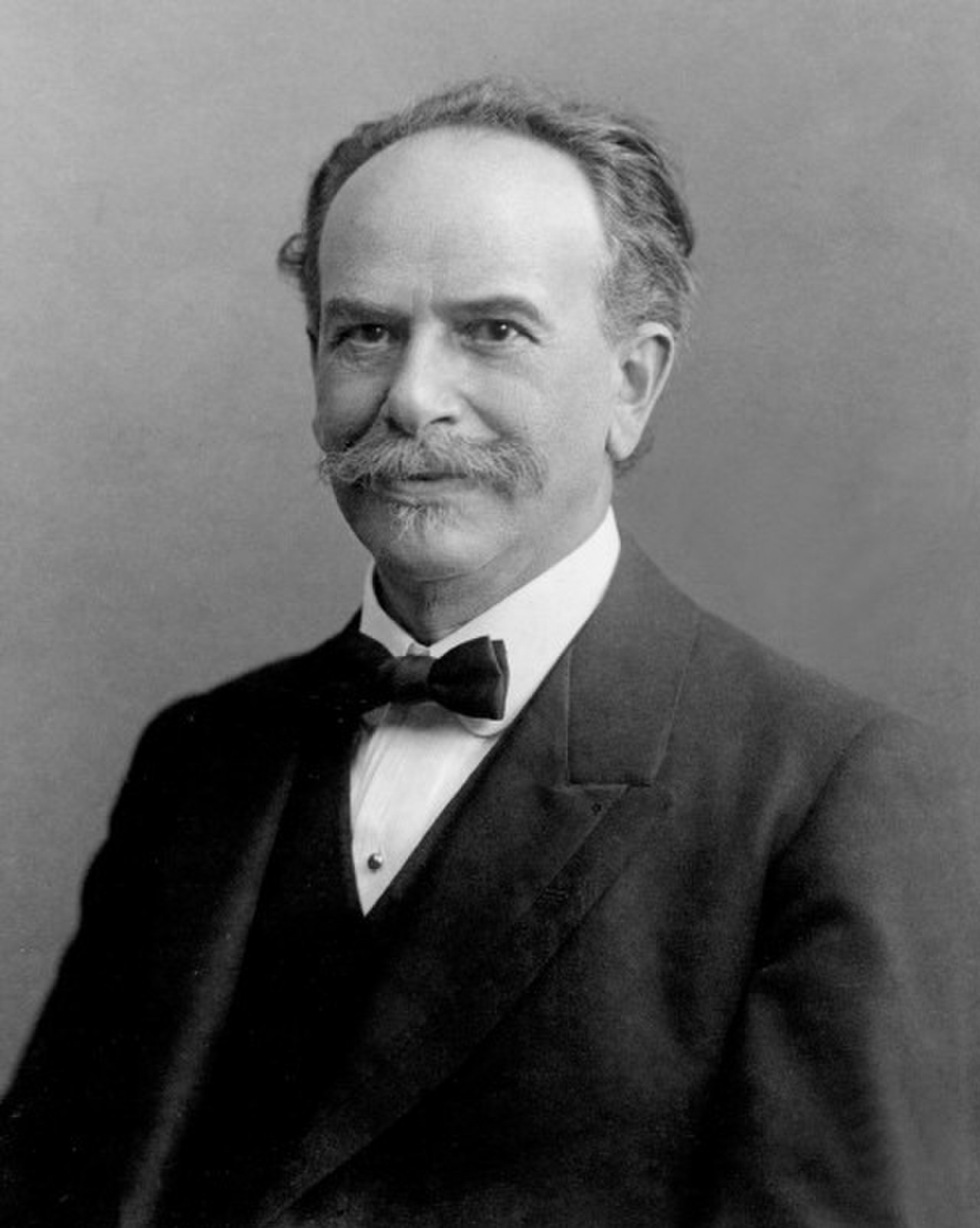
Franz Boas
From German Academia to the Frontiers of Human Study
Franz Boas's intellectual journey began in the rigorous scientific environment of 19th-century Germany, where he pursued doctorates in physics and geography. This early training instilled in him a deep appreciation for empirical observation and systematic analysis. His pivotal experience came during a geographical expedition to Baffin Island, where direct engagement with the Inuit culture ignited a profound shift in his academic focus.
Fascinated by their language, social structures, and worldview, Boas recognized the limitations of existing ethnological theories, which often imposed Western evolutionary frameworks onto non-Western societies. This encounter marked the genesis of his lifelong commitment to understanding cultures on their own terms, leading him to emigrate to the United States in 1887 to further this pursuit, eventually establishing himself at Columbia University.
Pioneering Fieldwork and the Doctrine of Cultural Relativism
Boas revolutionized anthropological methodology through his emphasis on intensive, long-term fieldwork. He advocated for participant observation, learning indigenous languages, and collecting detailed ethnographic data directly from the source, a stark contrast to the armchair theorizing prevalent at the time. This immersive approach was intrinsically linked to his development of cultural relativism.
Boas argued that cultures could not be objectively ranked on a universal scale of progress; instead, each culture represented a unique historical adaptation and a distinct worldview. To understand a culture, one had to suspend ethnocentric judgments and interpret beliefs and behaviors within their specific cultural context. This principle became a cornerstone of modern anthropology, promoting respect for cultural diversity and challenging colonialist assumptions.
Deconstructing Scientific Racism and Evolutionary Tropes
A central tenet of Boas's work was his vehement opposition to the prevailing ideologies of scientific racism and unilinear cultural evolution. He meticulously debunked the notion that racial categories were fixed biological determinants of behavior and intellect. Through groundbreaking studies on cranial morphology, he demonstrated the plasticity of skeletal features in response to environmental factors like nutrition and health, directly contradicting claims of immutable racial typologies.
Furthermore, Boas rejected the idea that all societies followed a predetermined path of development, with Western civilization at its apex. He posited that cultural change resulted from complex historical interactions, diffusion of ideas, and environmental adaptations, rather than an inherent drive towards 'higher' forms. This historical particularism approach emphasized the unique trajectory of each culture.
The Enduring Boasian Framework and Its Influence
Franz Boas's intellectual legacy is profound and multifaceted. He is credited with establishing the four-field approach to anthropology in North America-encompassing archaeology, physical anthropology, cultural anthropology (ethnology), and linguistic anthropology-which remains a dominant paradigm. His pedagogical influence was immense; through his mentorship at Columbia University, he trained a generation of influential anthropologists, including Alfred Kroeber, Ruth Benedict, Margaret Mead, and Zora Neale Hurston, who carried his ideas forward and applied them in diverse research areas.
Boas's insistence on empirical evidence, cultural relativism, and the rejection of racial determinism laid the groundwork for contemporary anthropological thought, continuing to inform our understanding of human societies and promoting a more nuanced and respectful appreciation of global cultural diversity.
Go deeper
Frequently Asked Questions
What did Franz Boas study before becoming an anthropologist?+
Why did Franz Boas decide to study the Inuit people on Baffin Island?+
How did Franz Boas change the way scientists study cultures?+
What is cultural relativism and why is it important?+
Who were some of Franz Boas's students?+
Based on content from Wikipedia · Licensed under CC BY-SA 4.0