

Flamingo: The Pink Wonders!
Images
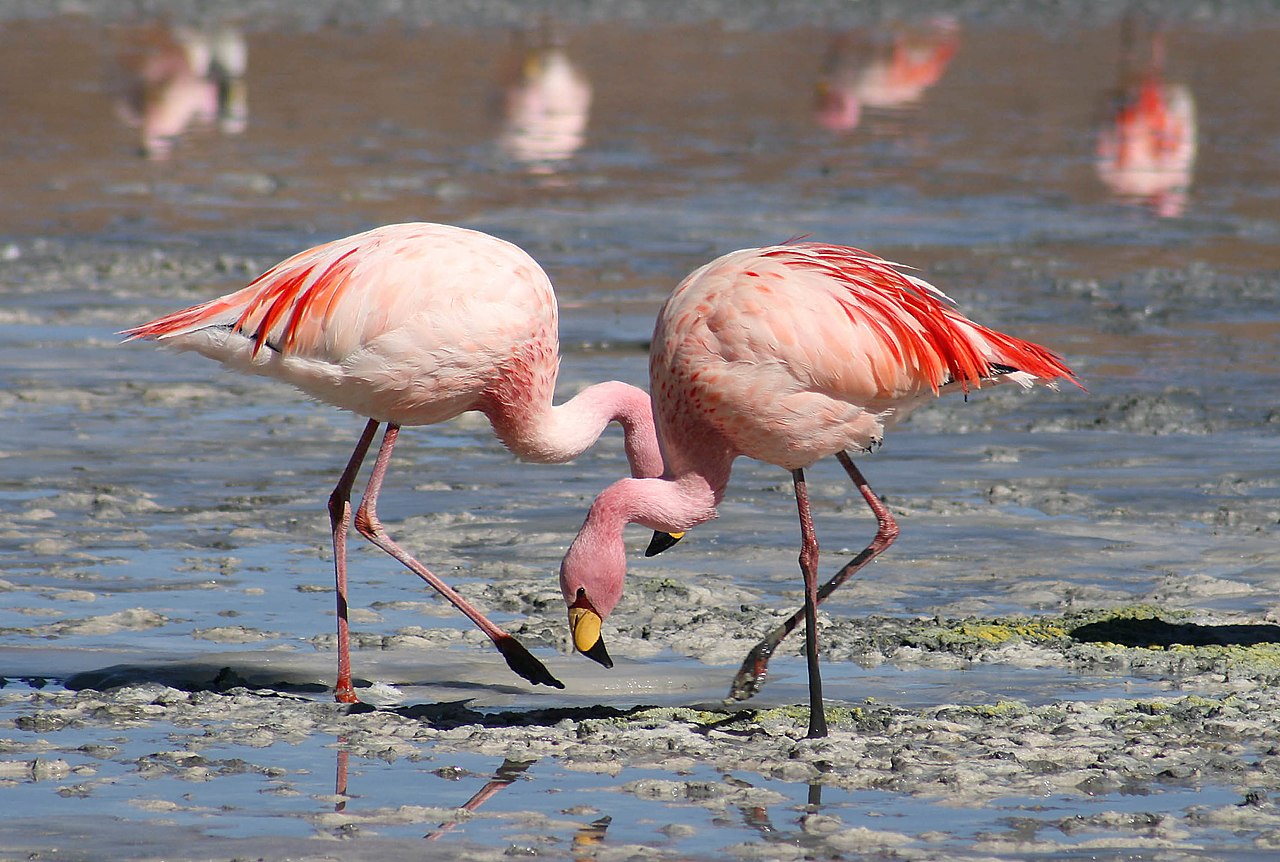
Flamingo


The Pigment Paradox
The iconic pink and red hues of flamingos are not innate but are a direct consequence of their specialized diet, a fascinating example of dietary carotenoid assimilation. Six distinct species of flamingo exist, and their coloration ranges from pale pink to vibrant scarlet, depending on the concentration and type of carotenoids, primarily beta-carotene, found in their primary food sources: brine shrimp (Artemia) and certain types of algae. These pigments are metabolized by the liver and deposited in the feathers, skin, and legs.
This physiological process means that flamingos in captivity, if not fed a diet rich in carotenoids, will lose their vibrant color and appear pale or white, highlighting a direct link between nutrition and phenotype. This coloration also plays a role in mate selection, with brighter individuals often being perceived as healthier and more desirable mates.
Global Distribution and Habitat Specialization
Flamingos inhabit a wide array of wetland environments across Africa, Asia, the Caribbean, and South America. Their preferred habitats are shallow, saline, or alkaline lakes, lagoons, and mudflats. These environments are often characterized by high salinity and extreme temperatures, which deter many potential predators and competitors.
The long legs of flamingos are a crucial adaptation, allowing them to wade comfortably in water that would be too deep for many other birds, keeping their bodies elevated and dry. They are highly gregarious, forming massive colonies that can number in the tens of thousands, a behavior that enhances predator detection and facilitates social learning and breeding success. The specific habitat requirements make them sensitive to environmental changes and pollution.
Anatomical Ingenuity
The flamingo's unique, downward-curving beak is a marvel of evolutionary engineering, perfectly adapted for filter-feeding. They feed by immersing their heads upside down in the water, using their large, muscular tongues to create a suction effect. Water and mud are then pumped through the beak's lamellae, which act like sieves, trapping small invertebrates, algae, and other microorganisms.
This specialized feeding mechanism allows them to exploit food resources unavailable to most other bird species. Equally remarkable is their habit of standing on one leg. While the precise evolutionary advantage is still researched, prevailing theories suggest it's a thermoregulatory strategy to minimize heat loss in cool water, or a way to reduce muscle fatigue by alternating leg use.
This posture also allows them to quickly take flight if threatened.
Ecological Keystone and Conservation Imperatives
Flamingos are considered keystone species in many of the ecosystems they inhabit. By consuming vast quantities of small organisms, they play a significant role in regulating invertebrate and algal populations, thereby influencing the overall health and balance of wetland environments. Their presence is often an indicator of a healthy, functioning aquatic ecosystem.
However, many flamingo populations face threats from habitat degradation, pollution, and climate change, which can alter water levels and salinity. While most species are currently listed as Least Concern, two species, the Andean Flamingo and James's Flamingo, are classified as Vulnerable due to their restricted ranges and specific habitat needs. Conservation efforts are crucial to protect these unique birds and the vital wetlands they depend on.
Reproductive Strategies and Parental Investment
Flamingo breeding is a complex, synchronized process often triggered by environmental cues like rainfall. They construct elaborate mud nests, typically conical mounds, in shallow water to protect their single egg from predators and inundation. Both parents exhibit significant parental investment, sharing incubation duties and feeding the chick.
The young are initially fed a nutrient-rich substance known as 'crop milk,' which is produced in the upper digestive tract of both parents and is high in carotenoids and fats. This specialized milk provides essential nutrients for rapid growth. The communal nesting and cooperative chick-rearing strategies observed in large flocks are vital for chick survival and underscore the social nature of these birds.
Go deeper
Frequently Asked Questions
Why are flamingos pink?+
How do flamingos stand on one leg?+
Where do flamingos live?+
What do flamingos eat?+
Are flamingos important for the environment?+
Based on content from Wikipedia · Licensed under CC BY-SA 4.0