

Algae: The Ocean's Green Powerhouses!
Images

Algae


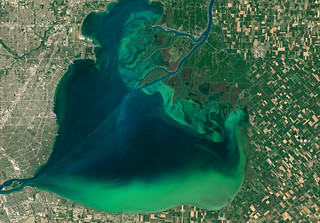


The Evolutionary Tapestry of Algae
The term 'algae' encompasses a paraphyletic group of organisms that exhibit photosynthetic capabilities and primarily inhabit aquatic environments. Their evolutionary journey began over 2.5 billion years ago with the emergence of cyanobacteria, the first organisms to perform oxygenic photosynthesis. This monumental event fundamentally altered Earth's atmosphere, paving the way for more complex life forms.
Over eons, endosymbiotic events led to the evolution of eukaryotic algae, diversifying into numerous lineages including green algae (Chlorophyta), red algae (Rhodophyta), and brown algae (Phaeophyceae). These groups, while sharing photosynthetic traits, represent distinct evolutionary paths. Their presence spans virtually every photic zone on the planet, from polar ice caps to tropical oceans, and from freshwater lakes to hypersaline lagoons, demonstrating an extraordinary capacity for adaptation to diverse environmental pressures.
This ancient lineage continues to be a cornerstone of global biodiversity and biogeochemical cycles.
Algal Habitats
Algae occupy an astonishing array of habitats, reflecting their evolutionary success and adaptability. Marine environments are dominated by macroalgae, commonly known as seaweeds, which form critical habitats like kelp forests and seagrass meadows. These ecosystems are biodiversity hotspots, providing shelter, food, and nursery grounds for a vast array of marine life.
Microscopic algae, or phytoplankton, are the primary producers in the open ocean, forming the base of the pelagic food web. Freshwater algae inhabit lakes, rivers, and streams, where they can influence water quality and nutrient cycling. Beyond purely aquatic realms, algae can be found in terrestrial environments, such as on damp soil, tree bark, and even within rocks, often in symbiotic relationships with fungi (lichens) or other organisms.
Their distribution is influenced by factors like light availability, nutrient levels, temperature, and salinity, leading to distinct communities adapted to specific ecological niches worldwide.
Ecological and Economic Significance
The ecological importance of algae cannot be overstated. Phytoplankton alone are estimated to produce between 50-85% of the Earth's oxygen, a contribution rivaling that of terrestrial forests. They also play a pivotal role in the global carbon cycle, absorbing vast quantities of atmospheric CO2 through photosynthesis, thereby mitigating climate change.
As the foundation of aquatic food webs, algae support fisheries and marine biodiversity. Economically, algae are a valuable resource. They are cultivated for food (e.g., nori, spirulina), producing essential nutrients and omega-3 fatty acids.
Furthermore, algae are a promising source for biofuels, offering a renewable alternative to fossil fuels due to their rapid growth rates and high lipid content. They are also utilized in pharmaceuticals, cosmetics, and as bioplastics, highlighting their multifaceted utility in a sustainable economy. Their potential for bioremediation, cleaning up pollutants from water and soil, is also an area of active research.
Algae in the Anthropocene
In the current era, known as the Anthropocene, algae face new challenges and offer novel solutions. Climate change, ocean acidification, and pollution can disrupt algal populations and ecosystems, impacting their vital functions. However, these same environmental pressures are also driving innovation in algal research and application.
Scientists are developing advanced cultivation techniques for large-scale algal farming, aiming to enhance biofuel production, carbon sequestration, and nutrient recycling. Genetic engineering and selective breeding are being employed to optimize algae for specific industrial or environmental purposes. The potential for algae to contribute to a circular economy, by converting waste streams into valuable products, is immense. As we seek sustainable solutions for energy, food security, and environmental remediation, algae stand out as a versatile and powerful biological resource with a critical role to play in shaping a more sustainable future for our planet.
Go deeper
Frequently Asked Questions
What are algae and why are they called green powerhouses?+
How did algae change Earth's atmosphere?+
Where can we find algae?+
Why are algae useful for food and medicine?+
How can algae help fight climate change?+
Based on content from Wikipedia · Licensed under CC BY-SA 4.0