

Ferns: The Ancient Green Wonders!
Images
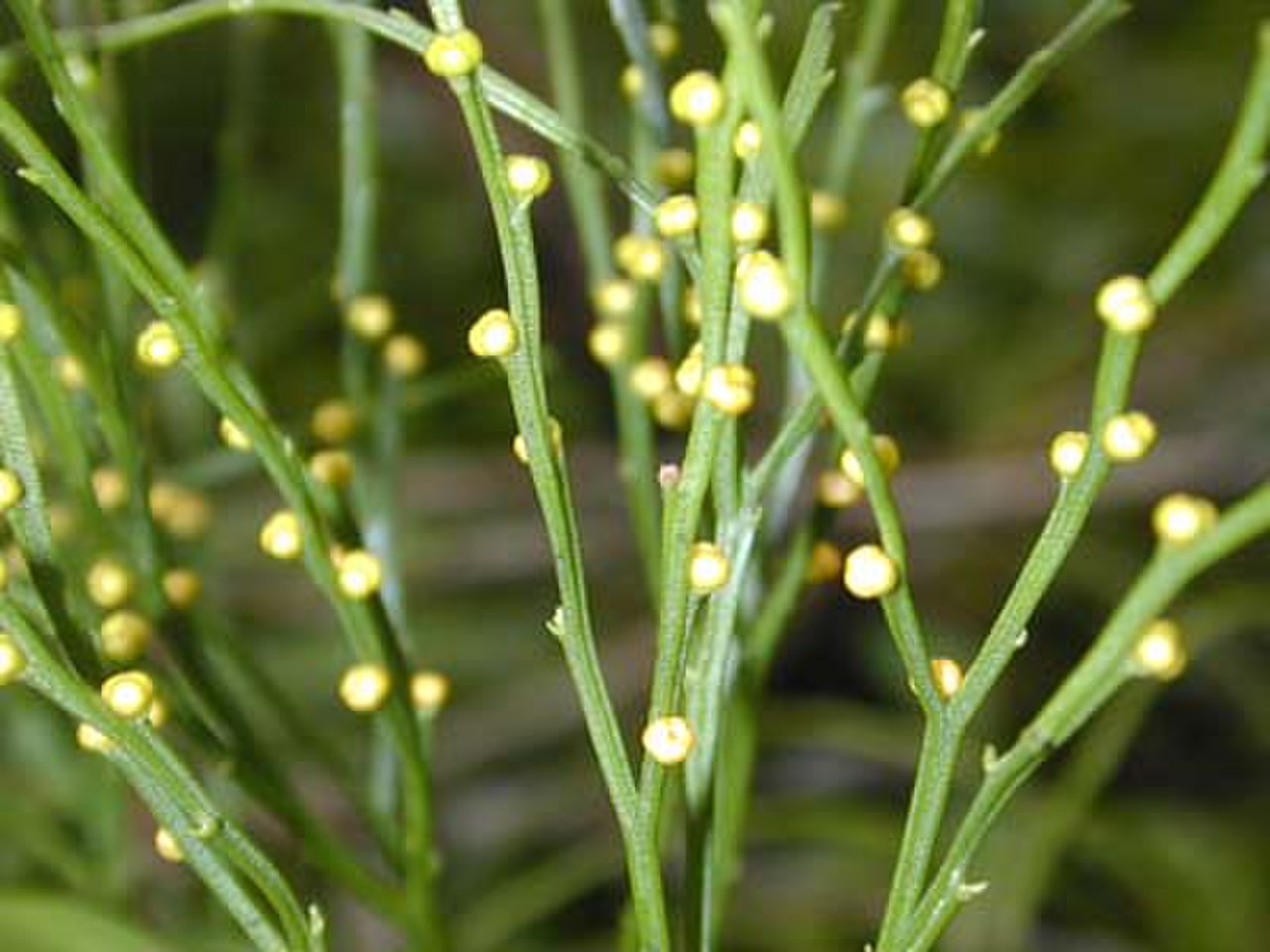
Fern


The Deep Roots of Ferns
Ferns (class Polypodiopsida) represent one of the oldest lineages of vascular plants, with fossil evidence dating back to the Devonian period, approximately 360 million years ago. They flourished during the Carboniferous period, forming vast forests that are now the source of much of our global coal reserves. Their evolutionary success is attributed to the development of true roots, stems, and leaves, allowing for more efficient nutrient and water uptake and photosynthesis compared to earlier non-vascular plants.
Unlike seed plants, ferns reproduce via spores, a more primitive yet remarkably persistent method. This ancient reproductive strategy, involving a distinct alternation of generations between a dominant sporophyte and a small gametophyte, has enabled them to navigate dramatic environmental shifts and geological eras, making them living testament to plant evolution's enduring power and adaptability.
Global Distribution and Ecological Niches of Ferns
Ferns exhibit extraordinary global distribution, inhabiting nearly every terrestrial biome, from the frigid Arctic to the humid tropics, and even extending into aquatic environments. While often stereotyped as shade-loving understory plants, their ecological niches are far more varied. Many species have adapted to survive in xeric (dry) conditions, employing strategies such as drought dormancy, succulent fronds, or deep root systems.
Epiphytic ferns colonize tree branches, accessing moisture and nutrients from the air and debris. Lithophytic ferns grow on rocks and cliffs, enduring harsh conditions. This broad ecological amplitude underscores their evolutionary plasticity.
Their presence is critical for ecosystem health, contributing significantly to biodiversity, soil stabilization, and nutrient cycling, particularly in forest and riparian zones.
The Intricate Fern Life Cycle
The fern life cycle is a classic example of alternation of generations in plants, characterized by two distinct phases: the sporophyte and the gametophyte. The familiar fern plant is the diploid sporophyte, which produces haploid spores through meiosis within specialized structures called sporangia, typically clustered in sori on the frond's underside. Upon dispersal, if conditions are favorable (moisture, light, suitable substrate), a spore germinates into a small, often heart-shaped, haploid gametophyte.
This gametophyte is photosynthetic and bears the male (antheridia) and female (archegonia) reproductive organs. Fertilization requires external water for the sperm to swim to the egg. The resulting diploid zygote develops into a new sporophyte, initially dependent on the gametophyte before establishing its own root and vascular system, completing the cycle.
This complex interplay highlights a crucial evolutionary step towards terrestrial plant life.
Ecological and Anthropogenic Significance of Ferns
Beyond their evolutionary importance, ferns serve critical ecological functions. Their rhizomatous root systems are highly effective at binding soil, mitigating erosion on slopes, riverbanks, and disturbed sites. They contribute to forest canopy structure and understory microclimates, influencing humidity and light penetration.
Ferns are also integral components of food webs, providing sustenance and habitat for a wide array of invertebrates, amphibians, and small mammals. Historically and in contemporary societies, ferns have been utilized for medicinal purposes, as food sources (fiddleheads), and in horticulture. Their ancient lineage makes them invaluable subjects for phylogenetic studies, helping scientists understand plant diversification and adaptation over geological time, and their sensitivity to environmental changes makes them important bioindicators.
See also
Frequently Asked Questions
What are ferns and why are they called ancient green wonders?+
How do ferns reproduce if they don't have seeds?+
Where can you find ferns in nature?+
Why are ferns important for the environment?+
How do ferns survive in dry places?+
Based on content from Wikipedia · Licensed under CC BY-SA 4.0