

Estadio de La Cartuja
Images
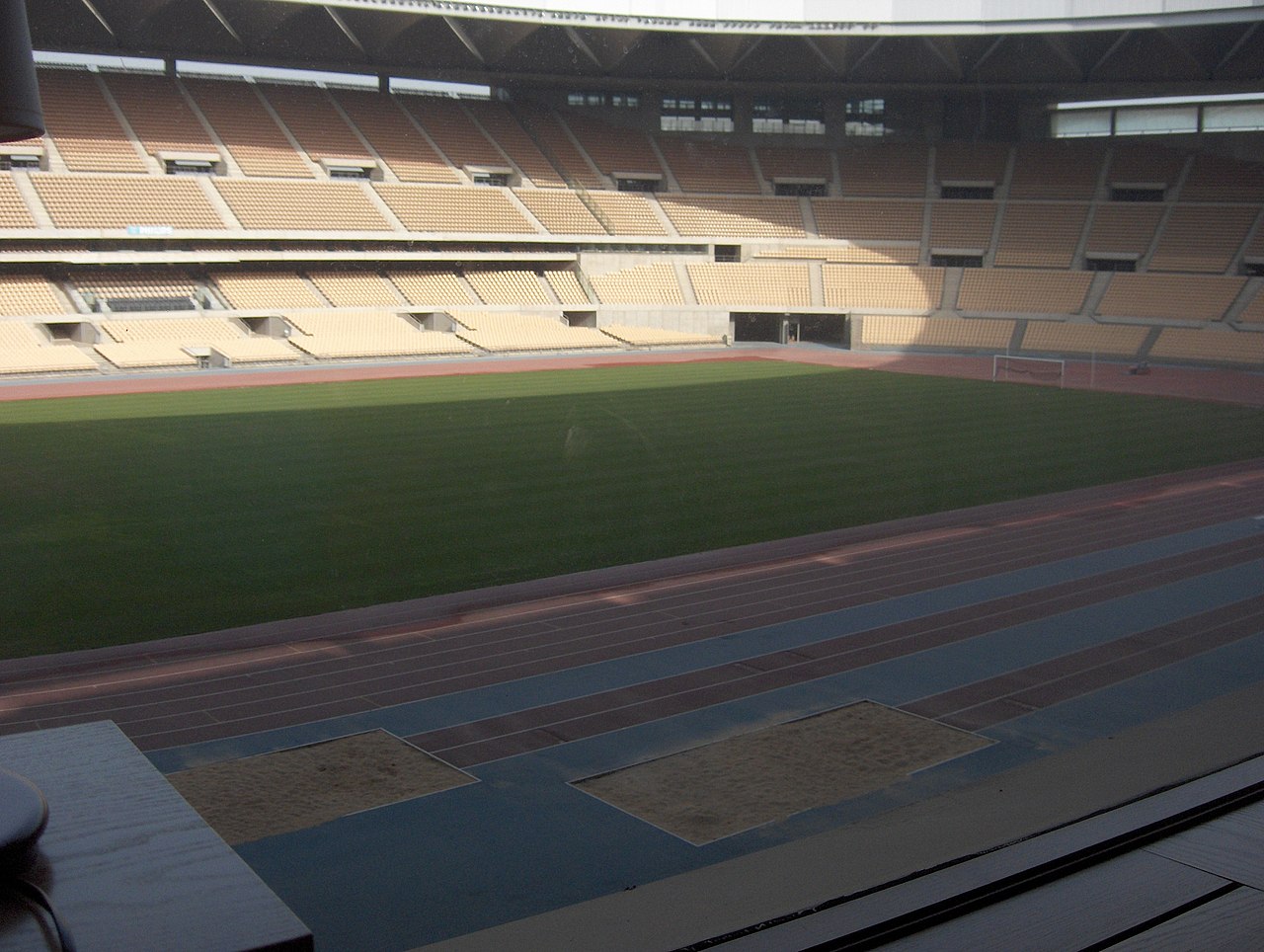
Estadio Olímpico de La Cartuja, Sevilla





Geographical Context
Estadio de La Cartuja is strategically situated on the Isla de la Cartuja, an artificial island within the Guadalquivir River in Seville, Spain. This unique location provides a distinct setting for the stadium, separating it from the immediate urban bustle while remaining accessible. Seville, the capital of Andalusia, enjoys a Mediterranean climate characterized by hot, dry summers and mild, wet winters, creating an ideal environment for year-round sporting events and outdoor activities.
The stadium's presence on the island contributes to Seville's identity as a city that blends historical charm with modern infrastructure, making it a significant landmark within the region's geography.
Evolution of a Venue
The genesis of Estadio de La Cartuja dates back to its completion in 1999, engineered as the centerpiece for the IAAF World Championships in Athletics. This initial purpose dictated a design focused on accommodating track and field events with optimal spectator sightlines and facilities. However, the stadium's potential extended beyond athletics.
It soon became a prominent venue for major football competitions, most notably hosting the 2003 UEFA Cup Final, a high-stakes match that showcased its capabilities on a continental scale. The stadium's adaptability is further highlighted by planned expansions in 2025, demonstrating a commitment to maintaining its status as a premier sporting facility and evolving with the demands of modern sports.
Architectural Scale and Seating Prowess
Estadio de La Cartuja commands an impressive presence with its substantial capacity of 70,000 seats. This places it among the elite tier of stadiums in Spain, ranking as the fourth largest nationwide and the preeminent stadium within Andalusia. The sheer volume of spectators it can accommodate underscores its significance as a venue capable of hosting major national and international events.
The scale of the stadium is a testament to advanced architectural and engineering principles, designed to provide an immersive experience for a vast audience, whether for athletic competitions, football matches, or large-scale concerts. Its dimensions are a key factor in its ability to attract significant sporting and cultural gatherings.
Contemporary Relevance
Beyond its historical athletic roots and its role in major finals, Estadio de La Cartuja plays a crucial contemporary role in the Spanish football landscape. It currently serves as the temporary home ground for Real Betis Balompié, one of Seville's prominent football clubs, while their home stadium, Estadio Benito Villamarín, undergoes renovations. This arrangement highlights the stadium's flexibility and its importance to the local sporting community, ensuring that Real Betis can continue to compete in front of their passionate fanbase.
The stadium's enduring legacy is thus tied not only to its past achievements but also to its ongoing contribution to the vibrant football culture of Seville and Spain.
See also
Frequently Asked Questions
Where is Estadio de La Cartuja located?+
How many people can the stadium seat?+
What big events has the stadium hosted?+
Which football team plays there right now?+
Why is the stadium special for Seville?+
Based on content from Wikipedia · Licensed under CC BY-SA 4.0