

Athletics: Run, Jump, Throw!
Images

Glasgow 2014 - Athletics (12)


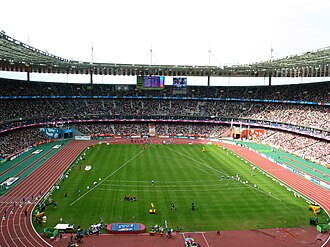


The Genesis and Evolution of Athletic Pursuits
Athletics, encompassing running, jumping, and throwing, represents the most fundamental expressions of human physical capability. Its origins are deeply intertwined with the earliest forms of organized human activity, predating recorded history. The ancient Olympic Games, commencing in 776 BCE, serve as the most significant early testament to formalized athletics, featuring events like the stadion foot race, long jump, and discus throw.
These ancient contests were not merely sporting events but integral components of religious festivals and societal rituals, bestowing immense prestige upon victors. The evolution from these rudimentary competitions to the highly specialized and scientifically managed sport of modern athletics is a narrative of continuous innovation. From the development of specialized footwear and track surfaces to advanced training methodologies and biomechanical analysis, athletics has consistently pushed the boundaries of human performance, reflecting broader advancements in science, technology, and sports medicine.
The Multifaceted Significance of Athletics
The importance of athletics extends far beyond the realm of competitive sport. It serves as a critical incubator for developing essential life skills, fostering discipline, resilience, and a strong work ethic. Athletes learn the value of incremental progress, the necessity of overcoming adversity, and the importance of strategic planning and execution.
On a societal level, athletics acts as a powerful unifier, transcending cultural, economic, and political divides. It provides a platform for national pride and international goodwill, as athletes from diverse backgrounds compete on a global stage. Furthermore, athletics plays a vital role in public health by promoting active lifestyles and demonstrating the profound benefits of physical fitness.
The pursuit of athletic excellence inspires individuals to engage in physical activity, contributing to healthier communities and a greater appreciation for the human body's potential.
Anatomy of Athletic Disciplines
The breadth of athletic disciplines showcases a remarkable spectrum of human physical attributes. Sprinting events, such as the 100m and 200m, demand explosive power and near-supersonic acceleration, with elite athletes reaching speeds exceeding 40 kilometers per hour. Conversely, endurance events like the marathon test the limits of aerobic capacity and mental fortitude over extreme distances.
Jumping disciplines, including the high jump and long jump, require a complex interplay of speed, power, and technique to achieve maximum vertical or horizontal displacement. Throwing events, such as the shot put, discus, hammer throw, and javelin, necessitate immense strength, precise technique, and rotational power to propel implements considerable distances. Combined events, like the decathlon (men) and heptathlon (women), represent the pinnacle of all-around athleticism, demanding proficiency across a wide array of track and field disciplines, thereby testing an athlete's versatility and comprehensive physical conditioning.
The Modern Landscape
Contemporary athletics operates at the cutting edge of sports science and technology. Sophisticated biomechanical analysis, advanced physiological monitoring, and personalized nutrition plans are now standard components of elite training regimens. Innovations in equipment, from carbon-fiber running shoes to aerodynamic javelins, continuously influence performance.
The global reach of athletics is immense, with major championships like the Olympic Games and the World Athletics Championships attracting billions of viewers worldwide. This global presence fosters a shared human narrative of striving, achievement, and overcoming challenges. The sport continues to evolve, with ongoing discussions about rule changes, event formats, and the integration of new technologies to enhance fairness, spectator engagement, and athlete safety, ensuring its continued relevance and appeal in the 21st century.
Go deeper
Frequently Asked Questions
What is athletics?+
Why did the ancient Olympic Games have running and jumping events?+
How do athletes get faster in sprint races?+
What skills do athletics teach us?+
How can athletics help people stay healthy?+
Based on content from Wikipedia · Licensed under CC BY-SA 4.0