

Malabo
Images
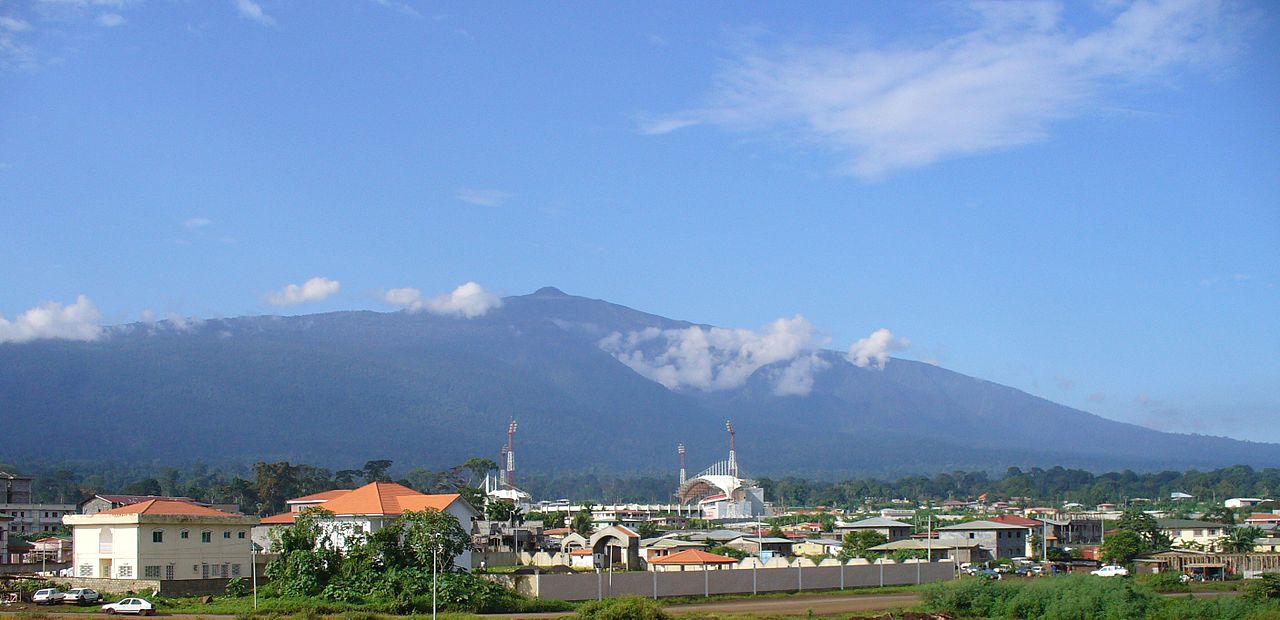
Malabo
Malabo's Enduring Legacy as an Island Capital
Malabo, situated on the northern coast of Bioko Island, stands as the historic capital of Equatorial Guinea. Its geographical position on this volcanic island, formerly known as Fernando Pó, has profoundly influenced its development and identity. As of 2018, the city's population was approximately 297,000, making it the nation's most populous urban center.
Malabo's distinction as the oldest city in Equatorial Guinea imbues it with a deep historical significance, serving as the primary administrative and economic hub for decades. The city's infrastructure and cultural landscape are a testament to its long history, shaped by various colonial influences and subsequent national governance. Its role as a port city has also been crucial for trade and connectivity, linking Equatorial Guinea to the wider world.
Understanding Malabo requires appreciating its layered history, from its colonial origins as Santa Isabel to its present-day status as a vital, albeit transitioning, capital.
The Polyglot Pulse
The linguistic environment of Malabo is a complex and fascinating reflection of its history and social dynamics. Spanish, the legacy of colonial rule, remains the official language, underpinning formal institutions and national discourse. However, Pichinglis, a creole language, serves as a crucial lingua franca across Bioko Island, facilitating communication among the diverse ethnic groups residing in Malabo and its surroundings.
This linguistic duality is not merely a matter of communication; it is deeply intertwined with identity, social stratification, and cultural expression. The prevalence of Pichinglis highlights the resilience of local linguistic innovation and adaptation, demonstrating how languages evolve to meet the needs of a diverse population. The coexistence of Spanish and Pichinglis in Malabo creates a unique sociolinguistic landscape, offering insights into the ongoing negotiation of cultural heritage and modern identity in Equatorial Guinea.
Navigating Change
Malabo's long-standing position as the capital of Equatorial Guinea is currently undergoing a significant transformation. The development of Ciudad de la Paz, a new, purpose-built administrative center on the mainland, signals a strategic shift in the nation's governance structure. Institutions began relocating to Ciudad de la Paz in February 2017, indicating a deliberate move away from Malabo as the sole center of political power.
This transition, while potentially diminishing Malabo's political primacy, does not erase its historical importance or its cultural vibrancy. The city's established infrastructure, economic activities, and deep-rooted community will continue to play a vital role in the nation's life. Malabo's future will likely involve a redefinition of its significance, perhaps evolving into a more specialized economic or cultural hub, while Ciudad de la Paz assumes the mantle of administrative capital.
Economic Underpinnings and Societal Fabric of Malabo
The economy of Malabo is intrinsically linked to the broader economic landscape of Equatorial Guinea, which is heavily reliant on its oil reserves. As the primary port and administrative center, Malabo facilitates much of the nation's commerce and service sector activities. While specific industries beyond general commerce are not detailed in the provided source, the city's function as a capital implies a significant presence of government administration, public services, and related employment.
The substantial population of nearly 300,000 people supports a diverse range of economic activities, from formal employment in government and private enterprises to informal trade and services. The city's development is also influenced by its status as an island, potentially presenting unique logistical and economic challenges and opportunities. Understanding Malabo's economic fabric requires considering its role as a gateway for the nation's resources and its function as a center for its populace.
Go deeper
Based on content from Wikipedia · Licensed under CC BY-SA 4.0