

Enrico Berlinguer
Images
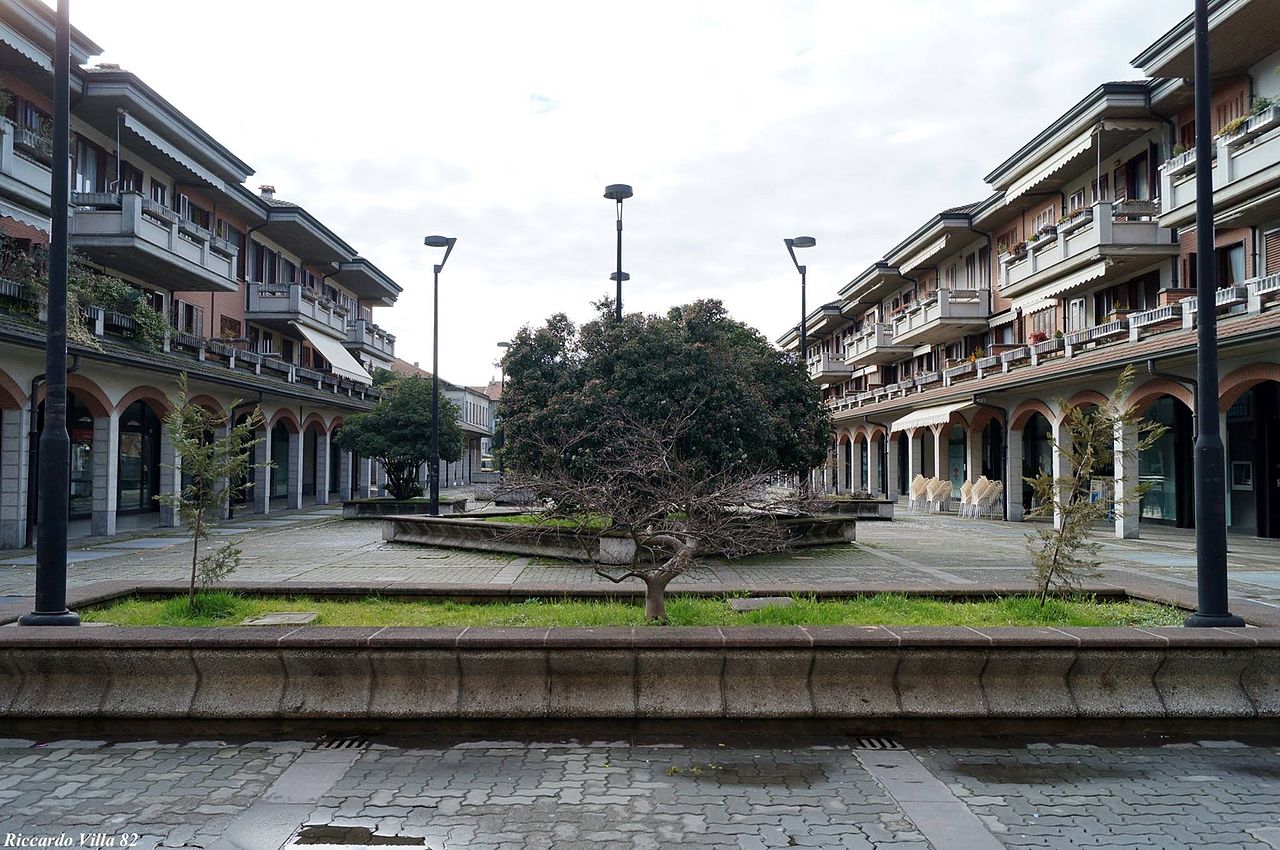
Paullo-centro


The Italian Landscape
Enrico Berlinguer hailed from Italy, a nation whose complex history and vibrant socio-political landscape provided fertile ground for his unique brand of leadership. Situated in Southern Europe, Italy is characterized by its diverse geography, from the Alpine north to the Mediterranean south, and a rich tapestry of regional cultures. Berlinguer's political journey began in this environment, marked by post-war reconstruction and significant social upheaval.
Born in Sassari, Sardinia, he was immersed in a culture that, while Italian, possessed its own distinct identity. His early political activism, leading the Italian Communist Youth Federation, honed his skills in mobilizing support and articulating a vision. This foundation in a nation grappling with its identity and future allowed him to develop policies that resonated deeply with the Italian populace, aiming for national unity and progress amidst considerable challenges.
Navigating the 'Years of Lead' as PCI Secretary
As the national secretary of the Italian Communist Party (PCI) from 1972 until his death in 1984, Enrico Berlinguer led the party through one of Italy's most turbulent periods, the 'Years of Lead.' This era was defined by intense social conflict, political extremism, and terrorism. Berlinguer's leadership was instrumental in positioning the PCI as a major political force, achieving peak electoral success under his guidance. The PCI's results in the 1976 general election, securing 34% of the vote, remain the highest for any Italian left-wing or center-left party.
This electoral strength was not merely symbolic; it translated into significant political influence. Berlinguer's tenure was marked by a strategic effort to distance the PCI from the Soviet Union and to present it as a responsible, democratic alternative within the Italian political system, a challenging feat given the Cold War context.
The Genesis and Impact of Eurocommunism
Enrico Berlinguer is widely recognized as a principal architect and spokesperson for Eurocommunism. This ideological current sought to establish a distinct socialist path for Western European communist parties, emphasizing democratic processes, national sovereignty, and a critical stance towards the Soviet Union. Berlinguer articulated this vision as a 'terza via' (third way), an alternative to both Soviet-style communism and Western capitalism.
His collaboration with leaders like Santiago Carrillo of Spain and Georges Marchais of France solidified this movement, aiming to create a more moderate and domestically-oriented form of communism. This strategy involved distancing the PCI from Moscow's influence and advocating for accommodation and national unity within Italy, a bold move that redefined the party's identity and its place in European politics.
The 'Historic Compromise' and Political Pragmatism
A hallmark of Berlinguer's leadership was his pursuit of the 'Historic Compromise.' This was a pragmatic political strategy aimed at fostering stability and addressing Italy's deep-seated issues by seeking cooperation between the PCI and the dominant Christian Democracy (DC) party. The PCI would lend support to the DC government in exchange for consultation on policy and the implementation of social reforms. This approach was particularly evident in Berlinguer's firm response to terrorism, notably after the kidnapping and murder of Aldo Moro, and his efforts to moderate wage demands to combat severe inflation following the 1973 oil crisis.
Although the compromise ultimately faltered due to insufficient concessions and shifting political dynamics, it represented a significant attempt to bridge ideological divides and govern inclusively during a critical juncture in Italian history.
Legacy
Enrico Berlinguer's legacy extends beyond his political achievements; he is remembered for his austere, modest, yet charismatic personality and his unwavering commitment to principles. He cultivated an image of the PCI as an honest party in a political landscape often marred by corruption, a reputation that helped preserve the party's standing. His influence was felt not only in Italy but also across Western Europe, where he became synonymous with Eurocommunism and a democratic approach to socialism.
Even after his premature death in 1984, the PCI continued to benefit from his vision, achieving its best results in European elections shortly thereafter. Berlinguer remains an enduring symbol of principled leadership, democratic change, and the pursuit of a distinct Italian path in the complex world of 20th-century politics.
See also
Frequently Asked Questions
Who was Enrico Berlinguer?+
Where was Enrico Berlinguer born?+
What were the 'Years of Lead' and how did Berlinguer respond?+
What is Eurocommunism and what did Berlinguer do with it?+
What was the Historic Compromise?+
Based on content from Wikipedia · Licensed under CC BY-SA 4.0