

Emblem of Afghanistan
Images

National Emblem of Afghanistan 003


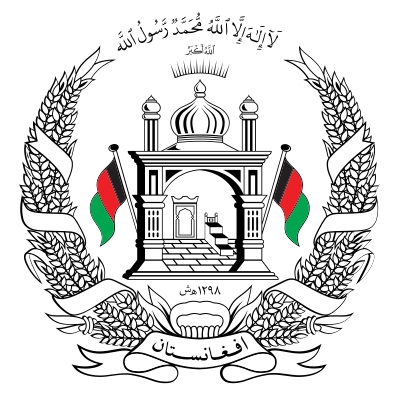

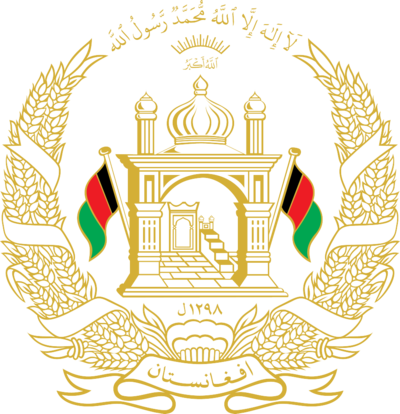


The Emblem as a Historical Palimpsest
The Emblem of Afghanistan functions as a historical palimpsest, a document where earlier writing has been erased and replaced, yet traces of the original remain. Its official integration with the national flag in 1901 marked the beginning of a consistent visual representation of the Afghan state. However, the emblem has not been a static entity.
Throughout the tumultuous political history of Afghanistan in the 20th and 21st centuries, the emblem has been subject to numerous revisions. These changes were often deliberate acts by successive regimes to legitimize their rule, reflect ideological shifts, or reassert national priorities. For instance, the inclusion or exclusion of specific religious or political symbols within the emblem could signal a move towards greater secularism, Islamic fundamentalism, or a particular political ideology.
Each alteration, while ostensibly updating the national symbol, also served to inscribe the current political narrative onto the nation's visual identity, often attempting to overwrite or reinterpret past symbols. Understanding these changes provides critical insight into the evolving political and social fabric of Afghanistan, demonstrating how national symbols are actively constructed and contested.
Conveying National Values
The Emblem of Afghanistan is a rich tapestry of symbols, each carefully chosen to convey specific aspects of the nation's identity, values, and aspirations. While the precise elements have varied, common themes often emerge, reflecting the country's historical, cultural, and religious underpinnings. These symbols might include representations of Islamic faith, such as the mihrab and minbar, signifying the country's religious majority and its historical connection to Islamic civilization.
Other elements could symbolize national unity, strength, or agricultural heritage, such as wheat sheaves or national animals. The emblem's design is a deliberate act of communication, intended to project an image of the state to both its citizens and the international community. It serves as a visual manifesto, articulating what the ruling government wishes to emphasize about Afghanistan's character and its place in the world.
The careful selection and arrangement of these symbols are crucial for fostering national cohesion and shaping external perceptions.
The Emblem's Enduring Significance
The enduring significance of the Emblem of Afghanistan lies in its dual role as a powerful unifier of its people and a distinct identifier on the global stage. For Afghans, the emblem, despite its historical modifications, represents a continuous thread of national identity, connecting them to a shared past and a collective future. It serves as a potent symbol of sovereignty and national pride, fostering a sense of belonging and solidarity, particularly in times of adversity.
On an international level, the emblem functions as a crucial diplomatic and cultural marker. It is instantly recognizable, representing the Afghan state in international forums, on official documents, and in diplomatic missions. Its consistent presence on the national flag ensures widespread recognition, facilitating communication and interaction with other nations.
The emblem, therefore, is not merely an ornamental feature but a vital component of Afghanistan's statehood and its engagement with the global community.
Evolution and Continuity
In contemporary Afghanistan, the Emblem of Afghanistan continues to hold profound significance, acting as a touchstone for national identity amidst ongoing political and social transformations. While the specific design and its official status may be subject to the prevailing political climate, its role as a symbol of the nation's continuity and resilience remains paramount. The emblem serves as a reminder of Afghanistan's long history and its aspirations for stability and progress.
Its presence on official state documents, currency, and government buildings reinforces its authority and legitimacy. Furthermore, the emblem plays a critical role in how Afghanistan is perceived internationally, acting as a visual ambassador that communicates its statehood and its place within the global order. The ongoing discourse surrounding the emblem, its design, and its meaning reflects the dynamic nature of national identity and the continuous effort to define what it means to be Afghan in the modern era.
See also
Frequently Asked Questions
What is the emblem of Afghanistan?+
When did the emblem first appear on Afghanistan's flag?+
Why does the emblem change sometimes?+
What symbols can be found in the emblem?+
Why is the emblem important for people in Afghanistan?+
Based on content from Wikipedia · Licensed under CC BY-SA 4.0