

Elia Kazan: The Man Who Directed Big Stories!
Images
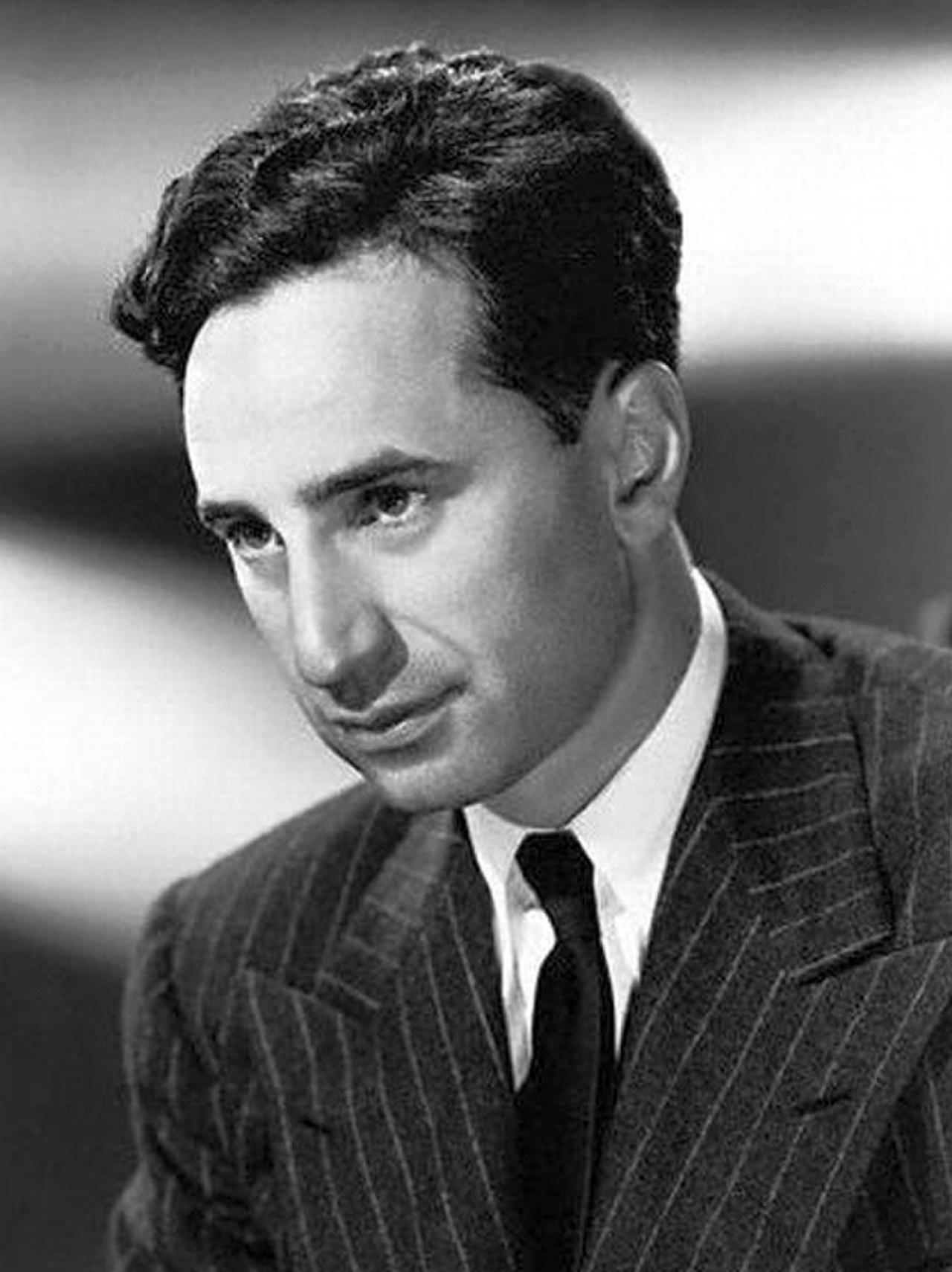
Elia Kazan
The Genesis of a Visionary
Elia Kazan's formative years, beginning with his birth in Constantinople (modern-day Istanbul) in 1909 to Greek immigrant parents, instilled in him a unique perspective on cultural identity and displacement. His family's immigration to the United States in 1913 marked a significant transition, exposing him to the American melting pot and fueling his lifelong exploration of themes like assimilation, ambition, and moral compromise.
Kazan's early involvement with the Group Theatre in the 1930s was pivotal. This experimental collective championed a new form of acting – Stanislavski-inspired realism – that emphasized psychological truth and emotional authenticity over theatrical artifice. Kazan absorbed these principles, developing a directorial approach that prioritized deep character immersion and a raw, unvarnished portrayal of human experience.
This foundation in theatrical realism would become the bedrock of his subsequent, highly influential career in both stage and screen.
Revolutionizing American Theater
Kazan's directorial prowess fundamentally reshaped American theater. His collaborations with playwrights like Tennessee Williams and Arthur Miller yielded some of the most enduring works in the American canon. Directing the premiere of Williams' 'A Streetcar Named Desire' in 1947, Kazan masterfully translated the play's simmering tension and psychological turmoil to the stage, launching Marlon Brando to stardom and redefining theatrical naturalism.
Similarly, his staging of Miller's 'Death of a Salesman' (1949) captured the profound anxieties of post-war America, presenting Willy Loman not as a caricature but as a deeply flawed, tragic figure. Kazan's genius lay in his ability to foster an environment where actors could explore the darkest corners of their characters' psyches, resulting in performances of unprecedented intensity and vulnerability. He demanded truth, pushing actors to confront their own emotional landscapes to embody their roles fully, thereby elevating the art of acting and directing.
Crossing Over
Transitioning to filmmaking, Kazan brought his signature intensity and realism to Hollywood, creating a string of critically acclaimed films that explored complex social and moral issues. 'On the Waterfront' (1954), a powerful examination of union corruption and personal integrity, earned him his second Academy Award for Best Director and remains a landmark of American cinema. His collaboration with Marlon Brando in this film, as in 'A Streetcar Named Desire,' showcased his unparalleled ability to elicit transformative performances.
However, Kazan's legacy is also intertwined with controversy, most notably his decision to name former Communist Party members before the House Un-American Activities Committee (HUAC) in 1952. This act, detailed in his testimony and later reflected in films like 'On the Waterfront,' deeply divided the artistic community and continues to be a subject of critical debate, highlighting the complex intersection of art, politics, and personal conscience.
The Enduring Resonance of Kazan's Artistic Vision
Elia Kazan's influence extends far beyond his awards and accolades, which include two Oscars and a Lifetime Achievement Tony Award. He fundamentally altered the landscape of American storytelling by insisting on psychological depth and unflinching realism. His directorial techniques, particularly his emphasis on character motivation and emotional truth, became foundational for subsequent generations of directors and actors.
The themes he explored – alienation, the search for identity, the corrupting nature of power, and the struggle for redemption – remain profoundly relevant. Even his controversial actions serve as a case study in the ethical dilemmas faced by artists in times of political upheaval. Kazan's body of work continues to provoke discussion, inspire artists, and offer profound insights into the human condition, solidifying his status as a pivotal, albeit complex, figure in 20th-century cultural history.
See also
Frequently Asked Questions
Who was Elia Kazan?+
Where was Elia Kazan born?+
What made his directing style special?+
Which famous play did he direct that made Marlon Brando famous?+
Why is Elia Kazan sometimes controversial?+
Based on content from Wikipedia · Licensed under CC BY-SA 4.0