

Elam: The Ancient Land of Kings and Cities!
Images
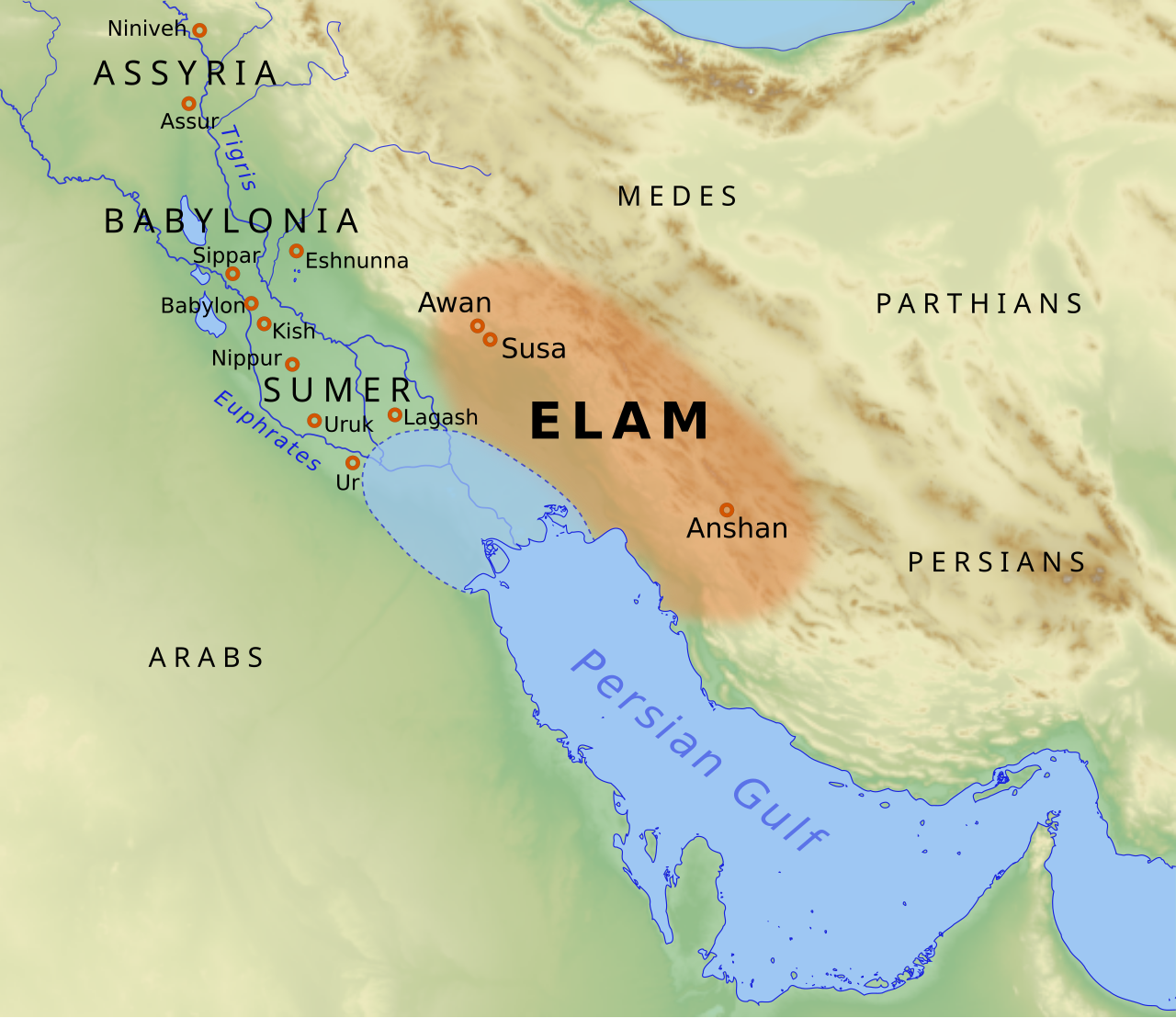
Elam
The Enduring Presence of Elam in the Ancient Near East
Elam stands as one of the most enduring and significant ancient civilizations of the Near East, occupying a crucial geographical position in southwestern Iran. Its history spans an impressive period, from its early dynastic phases around the 3rd millennium BCE through its various kingdoms and empires, until its final incorporation into the Achaemenid Persian Empire in 539 BCE. This longevity allowed Elam to develop a rich and complex cultural identity, distinct from its powerful Mesopotamian neighbors.
Elamite society was characterized by strong monarchies, sophisticated urban centers like Susa, and a complex administrative system. Its strategic location facilitated both conflict and cultural exchange with civilizations like Sumer, Akkad, Babylon, and Assyria, making Elam a vital node in the network of ancient Near Eastern powers. The Elamites were not merely reactive; they actively shaped regional politics and culture through diplomacy, warfare, and trade, leaving an indelible mark on the historical landscape.
Linguistic and Scriptural Uniqueness
The Elamite language represents a significant linguistic isolate, largely unrelated to the major language families of the ancient Near East, such as Semitic or Indo-European. This linguistic distinctiveness underscores the unique cultural trajectory of the Elamites. Their writing system, Elamite cuneiform, is a fascinating adaptation of the Mesopotamian script.
Initially, they used a pictographic script known as Proto-Elamite, which remains largely undeciphered, but later adopted and modified the wedge-shaped cuneiform signs to represent their own language. This adaptation demonstrates a capacity for innovation and cultural synthesis. The surviving corpus of Elamite cuneiform texts, though less extensive than Mesopotamian records, provides invaluable insights into Elamite administration, religion, law, and royal inscriptions.
The decipherment and study of these texts have been crucial for reconstructing Elamite history and understanding their worldview, offering a unique perspective on ancient Near Eastern literacy and communication.
Artistic Achievements and Material Culture of Elam
The material culture of Elam is renowned for its artistic sophistication and high-quality craftsmanship. Archaeological excavations, particularly at Susa, have yielded a wealth of artifacts that showcase the Elamites' mastery in various media. Their metalworking skills were exceptional, producing intricate gold and silver jewelry, bronze statues, and ceremonial objects that display remarkable artistry and technical prowess. Pottery from Elam is also distinctive, often featuring elaborate painted designs, including zoomorphic and geometric motifs, as well as figurative scenes.
The monumental architecture, though less preserved than in Mesopotamia, included impressive ziggurats and palaces, indicating a well-developed understanding of engineering and urban planning. These artistic achievements were not merely decorative; they often served religious, political, and social functions, reflecting the values, beliefs, and power structures of Elamite society. The fusion of local traditions with influences from neighboring cultures resulted in a unique and vibrant artistic style.
Elam's Legacy and Historiographical Significance
The historical significance of Elam extends beyond its own temporal existence. As one of the earliest complex societies in the Near East, Elam contributed to the broader development of civilization, influencing political structures, economic systems, and cultural practices in the region. Its interactions with Mesopotamia, often characterized by periods of both conflict and cooperation, played a crucial role in shaping the geopolitical landscape of the ancient world.
The eventual conquest of Elam by Cyrus the Great and its integration into the vast Achaemenid Empire marked a transition, but Elamite cultural elements persisted and were absorbed into the larger Persian identity. From a historiographical perspective, Elam challenges simplistic narratives of ancient history that often focus solely on dominant Mesopotamian or Egyptian powers. Studying Elam highlights the importance of recognizing the contributions of diverse cultures and understanding the complex interconnections that defined the ancient Near East.
Its legacy serves as a reminder of the multifaceted nature of human history and the enduring impact of civilizations that may not always occupy the center stage.
Go deeper
Frequently Asked Questions
What was Elam and where was it located?+
Why did Elam have its own writing system?+
How did Elam influence other ancient cultures?+
What kinds of art and crafts did the Elamites make?+
When did Elam end and become part of another empire?+
Based on content from Wikipedia · Licensed under CC BY-SA 4.0